
In Mariah Carey's "Fly Like a Bird," the phrase is a spiritual plea, not a wish to literally sprout wings. This is the flying bird meaning people often look for when they wonder what that lyric is really saying. Carey herself described it as the most personal and religious track on The Emancipation of Mimi (2005), calling its lyrics a "veritable prayer to God." The image of flying like a bird is asking for divine rescue: rise above the pain, be carried somewhere better, and don't be broken by the weight of the world tonight.
Fly Like a Bird Mariah Carey Meaning and Real Bird Flight

Marcus Chen
5 May 2026

What "fly like a bird" actually means in the lyric

The full chorus makes the meaning unmistakable: "Fly like a bird, take to the sky / I need you now, Lord, carry me high / Don't let the world break me tonight / I need the strength of You by my side / Sometimes this life can be so cold / I pray You'll come and carry me home." The song was released as a single on March 13, 2006, from The Emancipation of Mimi, and the opening lyric sets the tone immediately: "Somehow I know there's a place up above with no more hurt and struggling." That's salvation language, not a daydream about soaring over a mountain.
What really cements the context is that Carey's pastor, Clarence Keaton, recites biblical scripture during the introduction and bridge of the track. He quotes Psalm 30:5 ("Weeping may endure for the night, but joy comes in the morning") and Hebrews 13:5 ("He'll never forsake you, or leave you alone"). So when you hear "fly like a bird," you're hearing it bookended by scripture. The flight metaphor is doing religious work: it's about transcendence and being lifted by faith, not personal independence or empowerment in the secular sense.
The themes woven into the song: freedom, faith, and being carried
At its core, the song is about exhaustion and surrender. The narrator isn't flying under her own power. That's the key distinction. She's asking to be carried, to be brought home, to have the strength of something larger hold her up. It's less "I want to be free" in a triumphant independence sense, and more "I'm too tired to carry this alone, please lift me." Critics called it an "honest-to-God religious mantra about redemption," and that framing fits perfectly.
The freedom theme is real, but it's filtered through faith. Flying is the metaphor for spiritual elevation: escaping earthly suffering, being taken somewhere without hurt or struggle. The aspiration isn't ambition, it's deliverance. That's a subtle but important difference from the way "fly like a bird" gets used in other songs, where it often signals independence or personal breakthrough. Here, the bird in flight is a symbol of being lifted by something divine, not lifting yourself.
This connects naturally to the broader human relationship with bird flight as a symbol. Across literature and culture, birds soaring or taking to the sky have long represented freedom from constraint, spiritual ascent, or crossing from one state of being to another. If you're asking about the meaning of dreams flying like a bird, it often points to the desire for freedom, escape from stress, or a hope to rise above your current situation freedom from constraint.
You'll find this thread in everything from ancient poetry to modern metaphor-heavy pop songwriting. The phrase "fly like a bird" taps into that deep cultural reservoir, which is part of why it resonates even before you've processed the specific religious context Carey is working within.
What birds can actually do (and why the metaphor holds up biologically)
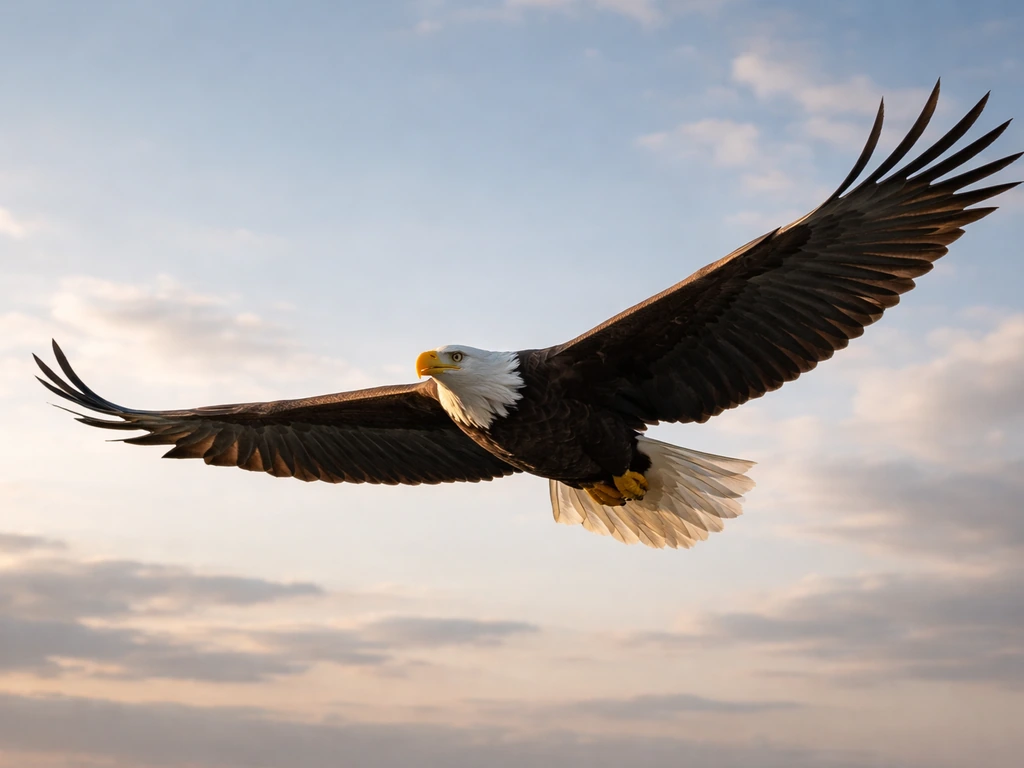
It's worth pausing on what real bird flight looks like, because the biology actually makes the metaphor more powerful, not less. Birds achieve flight through a combination of aerofoil-shaped wings, lightweight hollow bones, and strong flight muscles, primarily blank" rel="noopener noreferrer">the pectorals, which can account for up to 25% of a bird's body weight in strong fliers. Feathers are simultaneously lightweight, strong, and insulating. Every part of the bird's anatomy is shaped around the demands of getting and staying airborne.
The mechanics are elegant. Unlike an airplane, a bird's wings generate both lift and thrust during flapping. The bird adjusts wing surface area, feather angle, and stroke plane to control exactly how much force goes upward versus forward. On the upstroke, the wings fold slightly to reduce drag.
On the downstroke, they open fully to push air down and back. Gliding and soaring birds, like eagles or albatrosses, take a different approach entirely: they use thermals (rising columns of warm air) or wind gradients to stay aloft without flapping, sometimes for hours. That effortless, sustained soaring is probably the image most people picture when they hear "fly like a bird.
That same soaring idea is also echoed in the way listeners hear the phrase a bird will soar in the song. "
That soaring image is exactly what makes Carey's lyric land emotionally. Soaring birds aren't working hard. They're being carried by something invisible and larger than themselves. It can help to remember that “May the bird of paradise fly up your” points to the lyric’s prayerful, uplifting intention. The thermal does the heavy lifting. That's a precise biological parallel to what the song is describing: the narrator wants to stop flapping, stop fighting, and be held up by something else. When you understand how soaring flight actually works, the metaphor gets sharper.
Why people come away with different interpretations
The main reason listeners disagree about what this song means is that the phrase "fly like a bird" carries enormous cultural baggage on its own, and not everyone hears the song in full context. If you catch the chorus on a playlist without the introduction featuring Pastor Keaton's scripture, the line sounds much more like a general freedom anthem. Stripped of that religious framing, "take to the sky" and "carry me high" read as pure aspiration: I want to rise above my circumstances through my own will.
There's also a platform problem. Different streaming services, lyric sites, and live versions arrange or present the track differently. Some uploaded versions on video platforms clip the intro. Some lyric sites drop the pastoral framing entirely and just show the chorus.
If the first thing you're reading is "fly like a bird / take to the sky," without "I need you now, Lord" right below it, you might take a completely different meaning. That is the key to the "fly like a bird" meaning in the lyric, not a literal wish but a request for deliverance fly like a bird meaning.
It's worth noting that Shazam structures the track with a clearly labeled "Intro: Pastor Clarence Keaton" section, which helps, but not every listener gets that context.
There's also the genuine overlap between spiritual liberation and secular freedom. The feelings the song describes (exhaustion, wanting to escape pain, craving something higher) are universally relatable even if you don't share the religious framework. So listeners who connect with the emotional core of the lyric but interpret it through a non-religious lens aren't wrong about how the song makes them feel. They're just reading the metaphor differently than Carey intended. Both readings coexist because the language works on multiple levels simultaneously.
This kind of interpretive split is common across songs that use bird flight as a central metaphor. Whether it's about soaring above life's limits, finding spiritual peace, or the literal wonder of avian biology, the image of flying like a bird tends to invite projection. People bring their own relationship to the concept of freedom and find it reflected back. That's not a flaw in the lyric, it's actually what makes it stick.
How to find the exact lyric and confirm what version you're reading
If you want to nail down the exact lyric and its context, the most reliable route is to use the original album version of the track from The Emancipation of Mimi (2005), not a live recording, remix, or visualizer upload. Here's a practical checklist for confirming you've got the right context:
- Look up the song on Shazam, which structures the lyrics by section (Intro, Verse, Chorus) and explicitly labels Pastor Clarence Keaton's introduction. If those sections are present, you're looking at the full original version.
- Cross-reference with the Wikipedia entry for "Fly Like a Bird" (Mariah Carey), which quotes the chorus directly and notes the biblical references Keaton recites. This gives you the surrounding theological context in one place.
- For the publisher-verified complete lyrics, check Musicnotes, which sells the official digital sheet music from the EMI/Universal Music Publishing Group listing. The published sheet music includes the full lyric text as it appears in the liner notes.
- If you're working from a streaming version, confirm the track length matches the album version. Shorter uploads may be edited live versions that sometimes trim or alter the intro and bridge.
- Check the album liner notes if you have access to a physical or digital booklet from The Emancipation of Mimi. The credits confirm Keaton's role and the biblical verse sourcing, which anchors the spiritual interpretation.
The single was released March 13, 2006, and if you search specifically for that release (rather than the album track), you may find slightly different presentations. The core lyric doesn't change, but surrounding promotional materials sometimes frame the song differently. Going back to the album version is always the cleanest reference point. Once you've read the full lyric from intro through bridge with Keaton's scripture included, the meaning of "fly like a bird" in this particular song becomes very hard to misread.
FAQ
Is “fly like a bird” in Mariah Carey’s song meant literally?
No. In this song, the “bird flight” image functions as a request to be lifted by God when you feel weighed down. The chorus language explicitly frames it as needing help now and being carried, which points to spiritual rescue rather than self-powered ambition.
Why do people interpret “fly like a bird” differently when they’re listening to different versions?
A quick check is whether the lyric is presented with the religious setup. If you do not hear “I need you now, Lord” and the scripture intro and bridge, the line can sound like a generic freedom mantra, because the deliverance context gets cut off.
What’s the difference between “freedom” and “being carried” in the meaning of the lyric?
The intended distinction is “carried” versus “earned.” The narrator is not claiming she can become independent through her own strength, she is asking for support, protection, and endurance through suffering, which is why the song’s tone is prayerful and surrender-focused.
Can I read the meaning without being religious, and still be faithful to the song?
If you hear it as mental escape rather than prayer, you can still connect to the emotional core without contradicting the lyric’s central theme. The song can work as comfort language for anyone exhausted, but the musical framing and scripture explicitly anchor it in religious trust.
What’s the best way to confirm I’m getting the correct meaning from the actual track?
If you’re trying to decode the exact intent, use the studio album version and listen for the full structure, especially the intro/bridge where Pastor Clarence Keaton recites scripture. Live uploads and clipped lyric videos often remove the framing that tells you how to interpret “carry me high.”
How does the real-world idea of soaring (thermals, gliding) affect the metaphor?
The biology detail matters mainly to the metaphor: soaring birds rely on invisible support systems like thermals, not constant flapping. That mirrors the lyric’s point that you stop fighting alone and ask for strength that sustains you when effort feels impossible.
Does “take to the sky” mean empowerment or escape in this song?
The phrase “take to the sky” can sound like triumphant self-improvement, but the surrounding lines redirect it toward reliance. Pay attention to “I need you now” and “don’t let the world break me tonight,” which turn the ascent into a plea for protection.
Is it wrong to relate the lyric to my own personal struggle instead of God directly?
Yes, because the metaphor is multi-layered. Listeners often project their own idea of freedom onto the image of flight, which is why it resonates. The safest interpretation is the one that keeps the request and surrender intact, since that’s what the chorus and scripture framing emphasize.
What’s the most common misconception about the meaning of “fly like a bird”?
The most common mistake is pulling only the chorus line “fly like a bird” out of context. When you read that line alone, “sky” and “flying” can be mistaken for a literal or secular goal, but the song’s prayer language tells you what the sky represents.
What should I focus on while listening if I want the meaning to “click” emotionally?
A useful next step is to listen once for the narrative arc (exhaustion, request, protection, being carried home) and only then decide what “home” means for you. In the song it’s salvation language, but your personal takeaway can still be comfort, endurance, and hope.
Next Articles

Flying Bird Meaning: Science of Bird Flight and Metaphors
Learn the flying bird meaning as real flight science and as common metaphors, with species and flightless bird context.
Fly Like a Bird Meaning: Idiom vs Literal Flight
Understand fly like a bird meaning: idiom for natural grace or literal bird flight, with examples and common mix-ups.

A Bird Will Soar: How to Spot, Support, and Understand Soaring
Learn how birds soar: aerodynamics, biology, triggers, and safe ways to spot and support soaring.