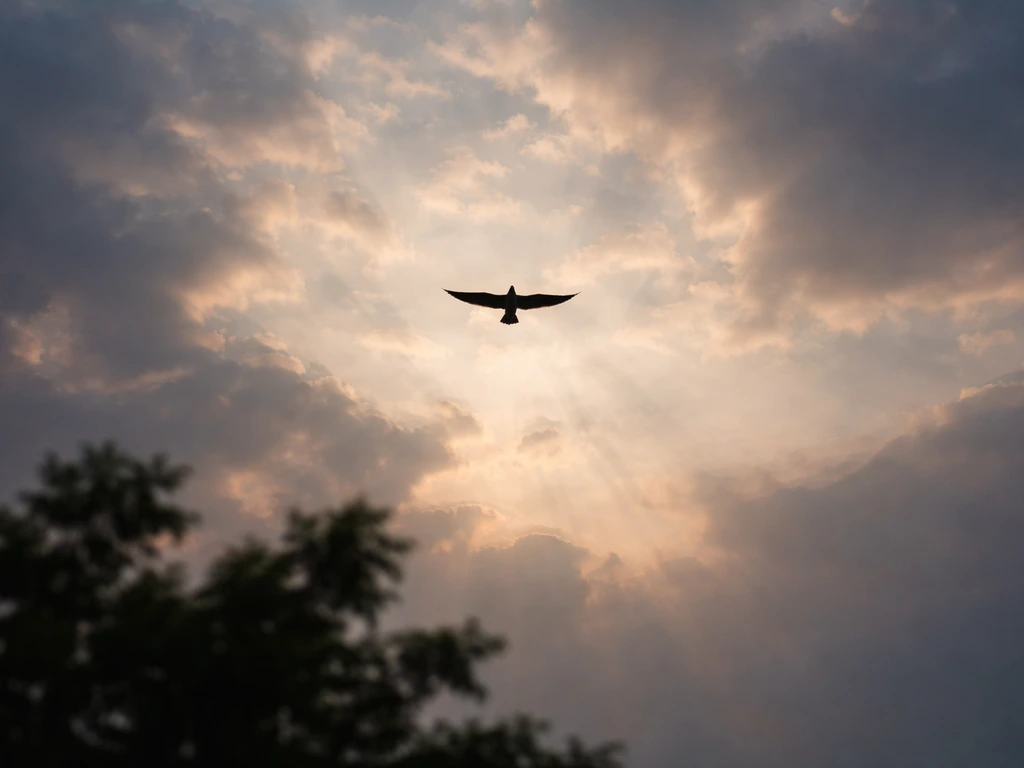
The 'bird flying emoji' people most often mean is 🕊️, the Dove emoji (Unicode U+1F54A), which shows a white bird in mid-flight, wings spread, sometimes carrying a small olive branch. In everyday chats it most commonly signals peace, freedom, lightness, or a gentle 'fly free' sentiment. Emojipedia also frames the 🕊️ Dove emoji as commonly used to signal peace, and it documents related vernacular senses like consolation and “after-death” peace peace, freedom, lightness, or a gentle 'fly free' sentiment.
Bird Flying Emoji Meaning: What It Conveys and When to Use It

Marcus Chen
29 May 2026
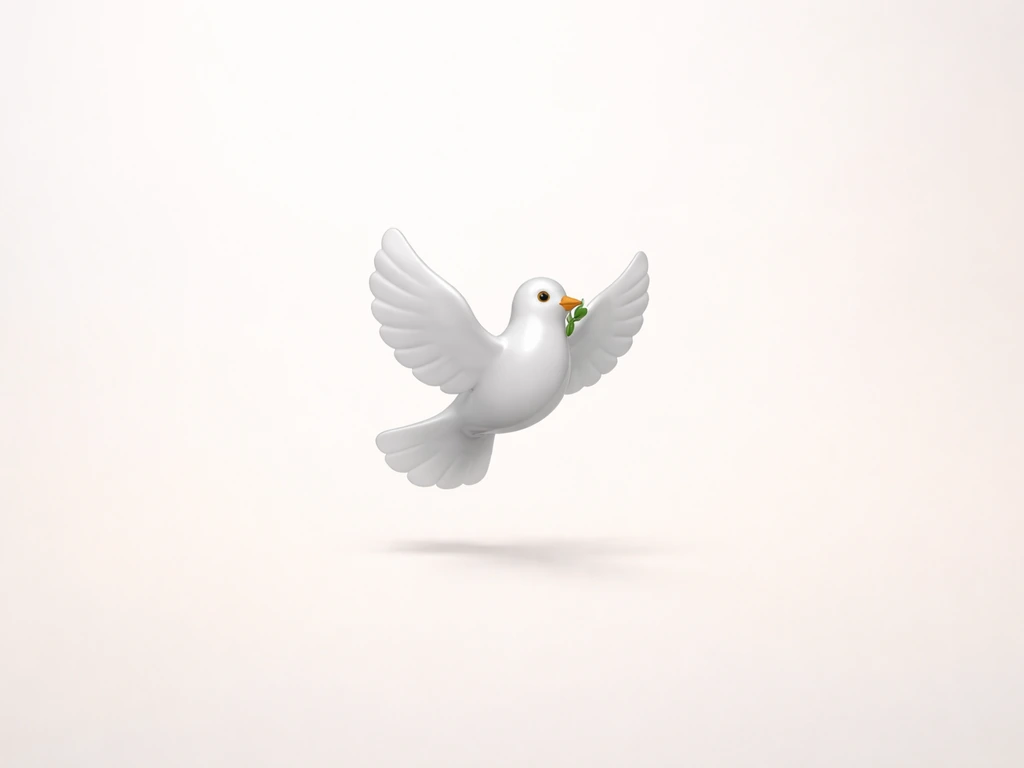
The plain bird emoji 🐦 can also read as a bird in flight on some platforms, but 🕊️ is the one that carries real emotional weight. If someone sent it to you and you're not sure what they meant, context is almost everything.
Which emoji people actually mean
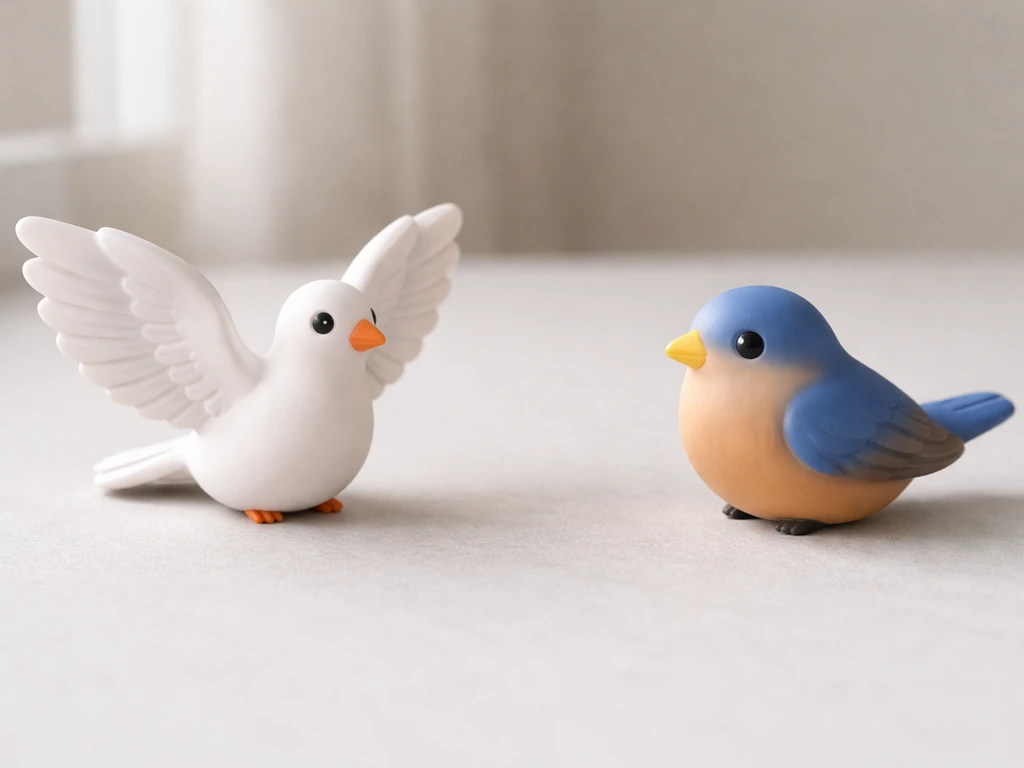
When someone searches 'bird flying emoji,' they're almost always talking about one of two characters. The first is 🕊️ (Dove, U+1F54A), approved in Unicode 7.0 in 2014 and added to the standard emoji set in 2015. It's depicted as a white bird clearly in flight, wings out and angled upward, olive branch often visible in the beak depending on the platform. The second is 🐦 (Bird, the generic one), which Emojipedia positions as a general bird depiction without the cultural weight of the dove. On most platforms, 🐦 looks like a small songbird and doesn't read as dramatically 'in flight' the way 🕊️ does.
So if the emoji you received or want to use looks like a white bird with wings open and something in its beak, you're looking at 🕊️. If it's a small blue or brown bird facing sideways, that's 🐦. The two behave very differently in conversation, and mixing them up is the most common source of confusion.
What it means in actual chats
The dove emoji does a lot of heavy lifting across very different emotional registers. In one message it can mean 'rest in peace, fly free' (the condolence use is extremely common and documented widely). In another message it means 'I'm leaving this situation, I'm out.' In a third it just adds a soft, airy, peaceful vibe to something positive. The olive branch detail, when people notice it, leans the interpretation toward peace or reconciliation. When people don't notice it, the 'bird in flight' image alone carries a sense of movement, escape, or elevation.
The generic bird emoji 🐦 reads differently. It doesn't carry the peace/condolence meaning. It's more likely to show up in casual, playful messages, nature references, or as a stand-in for 'bird' in a literal or humorous context. If someone sends 🐦 without other cues, it's usually low-stakes and lighthearted.
The most common uses of 🕊️ in messaging
- Condolences or memorial posts: 'May she rest in peace 🕊️' — one of the most frequent uses by far
- Freedom or escape: 'Finally quit that job 🕊️' — the 'fly free' reading
- Peace and calm: 'Let's just move on from this 🕊️' — the olive-branch/reconciliation meaning
- Aspiration or elevation: 'You're going places 🕊️' — a soaring, rising vibe
- Softening a serious message: paired with other gentle emojis to lighten the emotional tone
Reading the context: freedom vs movement vs lightness
The same emoji can land differently depending on what surrounds it. Here's how to read the cues without overthinking it.
When the message is about loss, death, or someone passing, 🕊️ is almost certainly a condolence or memorial symbol. The 'flying away to peace' metaphor is so embedded in how people use this emoji that it's the default reading in any grief context. It expresses hope that the person is now free and at peace, which tracks closely with how Emojipedia and dictionary sources describe its vernacular use. Emojipedia also describes the 🕊️ dove emoji as expressing hope that someone who has died is now at peace blank" rel="noopener noreferrer">hope that the person is now free and at peace.
When the message is about personal change, leaving something behind, or starting fresh, the emoji leans into the freedom and escape meaning. Think 'I'm done with that chapter 🕊️' or a graduation announcement. Here the bird isn't about death at all. It's about release and forward movement.
When the message is upbeat, soft, or aspirational (a compliment, an encouragement, a casual 'you've got this'), 🕊️ adds lightness. It functions almost like a visual sigh of relief or a gentle cheer. The tone of the surrounding message, punctuation, and whether other positive emojis appear alongside it are your best signals.
| Message context | Most likely meaning of 🕊️ | Key signal |
|---|---|---|
| Someone has died or anniversary of a death | Rest in peace / fly free (condolence) | Words like 'RIP,' 'miss you,' 'gone too soon' |
| Quitting a job, leaving a relationship, finishing something hard | Freedom / escape / moving on | Words like 'finally,' 'done,' 'free,' 'out' |
| Encouragement, compliment, good news | Aspiration / lightness / you're soaring | Exclamation points, positive language, other upbeat emojis |
| Disagreement or tense conversation | Peace / truce / olive branch | Words like 'let's move on,' 'no hard feelings' |
| Nature or wildlife topic | Literal bird in flight | Surrounding nature emojis like 🌿, 🌊, 🌄 |
Common misreads and how to sidestep them
The biggest misread is assuming 🕊️ is a generic 'travel' or 'flight' emoji. It's not. That job belongs to ✈️. If someone uses 🕊️ in a travel context it's usually deliberate poetic choice ('going to a peaceful place') rather than a literal stand-in for a plane ticket. Assuming the literal flight meaning can make a condolence emoji read as oddly cheerful, which is exactly the kind of misfire you want to avoid.
The second common misread is species confusion. Reddit discussions show people genuinely debating whether a bird emoji is a pigeon, a dove, or something else entirely. Visually, a dove and a pigeon are very similar (they're closely related birds), and on some platforms the rendering is ambiguous. The important thing to remember is that the cultural meaning of 🕊️ is 'dove of peace' regardless of what it looks like on any specific device. The peace and freedom meaning sticks even if the bird looks slightly pigeon-like on your screen.
Third: don't confuse 🕊️ with a bird-of-prey emoji. Eagles and hawks carry entirely different symbolic weight (power, sharpness, predatory strength) and don't share the dove's soft, peaceful connotations. If someone uses 🦅 in a message about freedom, that's a more aggressive, dominant 'soaring above it all' read, not the gentle release that 🕊️ implies.
Finally, some people use 🐦 and 🕊️ interchangeably because both can look like 'a bird.' They're not interchangeable. If you mean peace, memorial, or freedom in an emotional sense, 🕊️ is the right tool. If you mean 'bird' in a casual, literal, or humorous sense, 🐦 is the safer pick.
Why the 'flying bird' image carries the feeling it does
The specific way a bird looks when it's flying changes how we read it, and that's not just cultural instinct. It's grounded in real flight mechanics. When a bird is soaring or gliding, its wings are fully extended, held out wide and relatively still. Ornithologists describe gliding as the bird converting gravity and aerodynamic forces into forward movement without the energy cost of flapping. blank" rel="noopener noreferrer">Cornell Lab and Stanford ornithology sources note that soaring birds can stay aloft for extended periods by riding thermals (rising columns of warm air), gliding downward more slowly than the air is rising beneath them. The visual result is a bird that looks effortless, elevated, and unhurried.
That's exactly the image 🕊️ projects. Wings spread wide, body lifted, no visible struggle. It reads as effortless elevation because, in real aerodynamics, that's what open-winged gliding looks like. The emoji isn't showing a bird frantically flapping to stay airborne. It's showing a bird riding the air. That's why the emoji feels light, free, and aspirational rather than urgent or forceful.
By contrast, when birds flap rapidly, the visual is staccato, effortful, wingbeat by wingbeat. Research on migratory birds like the Northern Bald Ibis shows that birds actually alternate between flapping phases and gliding phases to reduce overall energy cost during long flights. In messaging terms, a 'flapping' bird would feel busy and strained. The dove emoji's spread-wing, gliding posture is doing the opposite: it signals ease, release, and elevation. That's the whole emotional package packed into a single glyph.
This connects naturally to the broader symbolic logic of bird flight in culture and literature, where a bird in full soaring flight tends to represent freedom or transcendence, while a bird struggling to fly or caged represents constraint. The emoji taps directly into that instinct, and the mechanics of real bird flight are the reason the imagery works the way it does.
Topics like what it means when a bird flies in circles, or the symbolism of a bird flying out of a cage, draw on the same underlying logic: the mode of flight shapes the meaning. If you're curious about the same idea in a more direct symbolism sense, the bird flying out of cage meaning is a related angle worth checking too.
If you’re curious about the same idea in a different visual, a bird flying in circles has its own meaning tied to behavior and symbolism bird flying in circles meaning.
What to send when you want a specific vibe
Here's the quick practical guide. Pick the match that fits what you're actually trying to say, and you'll land it right every time.
- You want to express condolences or honor someone who has died: use 🕊️, ideally with words like 'rest easy' or 'fly free.' This is its most recognized use and lands warmly in nearly every cultural context.
- You want to say you're leaving something behind and feel free: use 🕊️ paired with a celebratory or relieved tone. 'Finally done 🕊️✨' reads as liberation.
- You want to say 'peace' or 'let's move on from this conflict': use 🕊️ on its own or with 🤍. The olive-branch association does the work.
- You want a light, uplifting, aspirational cheer: use 🕊️ with positive language. It adds a soaring, elevated quality without the heaviness of condolence.
- You just mean 'bird' in a casual or playful sense: use 🐦, not 🕊️. It's simpler, less loaded, and won't accidentally read as a condolence.
- You want to signal literal air travel: use ✈️. Don't use 🕊️ for this. It will confuse people.
- You want strength and power, not peace: use 🦅 (eagle) or 🦁 instead. The dove's vibe is soft and peaceful, not dominant.
The flying bird emoji is one of the most emotionally flexible images in the standard emoji set, but that flexibility only works in your favor when you pay attention to context. Check the surrounding message, notice who sent it, and look at what else appears alongside it. Once you do that, the meaning almost always becomes obvious. And when you're sending it yourself, a single word of clarifying context alongside the emoji is all it takes to make sure your intended meaning lands exactly the way you want it to.
FAQ
What if I want to use a bird flying emoji but I do not mean peace or condolences, just “good vibes” or “going up”?
Use 🐦 if you want it to read more like a casual nature or lighthearted “bird” reference. If you use 🕊️ for general good vibes, add an extra cue (like “you got this” or a heart emoji) so it does not land like memorial or “fly free.”
Someone sent 🕊️ after I made plans, does it always mean grief or “leaving”?
Not always. If the message is about an event, departure for a trip, graduation, or a fresh start, 🕊️ usually shifts to freedom or forward movement. Grief reading is most likely when the surrounding text includes loss-related words, past-tense goodbye language, or “thinking of you” tone.
Is 🕊️ ever used as a “peace out” sign, like I am leaving the chat or ending a disagreement?
Yes. In casual settings it can mean “I’m out” or “ending this” with a softer, less hostile tone than a classic “bye.” If you want to avoid that interpretation, pair it with clarifiers like “I will be back” or use a different positive emoji instead of 🕊️.
How do I tell whether the sender meant dove of peace (🕊️) versus generic bird (🐦) when the emoji rendering looks similar on my phone?
Do not rely on your screen alone. Check the exact character in your keyboard history or by copying the emoji into a text field where you can confirm it, then compare what the sender actually sent. Meaning-wise, treat 🕊️ as peace and release, and 🐦 as a low-stakes bird/nature reference.
Could using 🕊️ in a travel message accidentally feel insensitive or oddly cheerful?
It can. The article notes that many people do not read 🕊️ as “plane” or literal travel, so it may feel like a poetic escape or, in some contexts, a condolence-flavored message. If you mean transportation, use ✈️ or explicitly say “traveling to” plus a location.
What is the safest way to respond if I receive 🕊️ and I am unsure of the intent?
Ask a gentle clarifying question instead of assuming grief. For example, reply with a neutral check-in like “Is everything okay?” If the sender meant peace or support, they can confirm the tone, and you avoid misreading it as a memorial.
Does 🕊️ change meaning if other emojis are included, like prayer hands, hearts, or a broken heart?
Yes. Hearts and supportive emojis generally push the reading toward comfort or encouragement, while broken-heart language or “RIP” style wording strongly supports condolence. If you see multiple grief-adjacent emojis, treat 🕊️ as memorial rather than general “peace.”
Can 🐦 or 🕊️ be taken as romantic or “I love you” symbolism?
It is possible but not the default. 🕊️ is primarily peace, release, or condolence, and romance usually needs explicit pairing (like a couple’s emoji or a direct romantic sentence). Without those cues, most people will read 🕊️ as emotional tone-setting, not romance.
What is the main mistake people make with “bird flying emoji meaning” in conversation?
They assume 🕊️ automatically equals travel or generic flight. The safer approach is to map intent first (peace, leaving, encouragement, or memorial) and then choose 🕊️ for emotional freedom/peace versus 🐦 for a simple bird reference.
Next Article
Bird Flying Over Your Head Meaning: Real Reasons and What to Do
What bird flying over your head really means, everyday beliefs and biology, plus safety steps and next actions.