
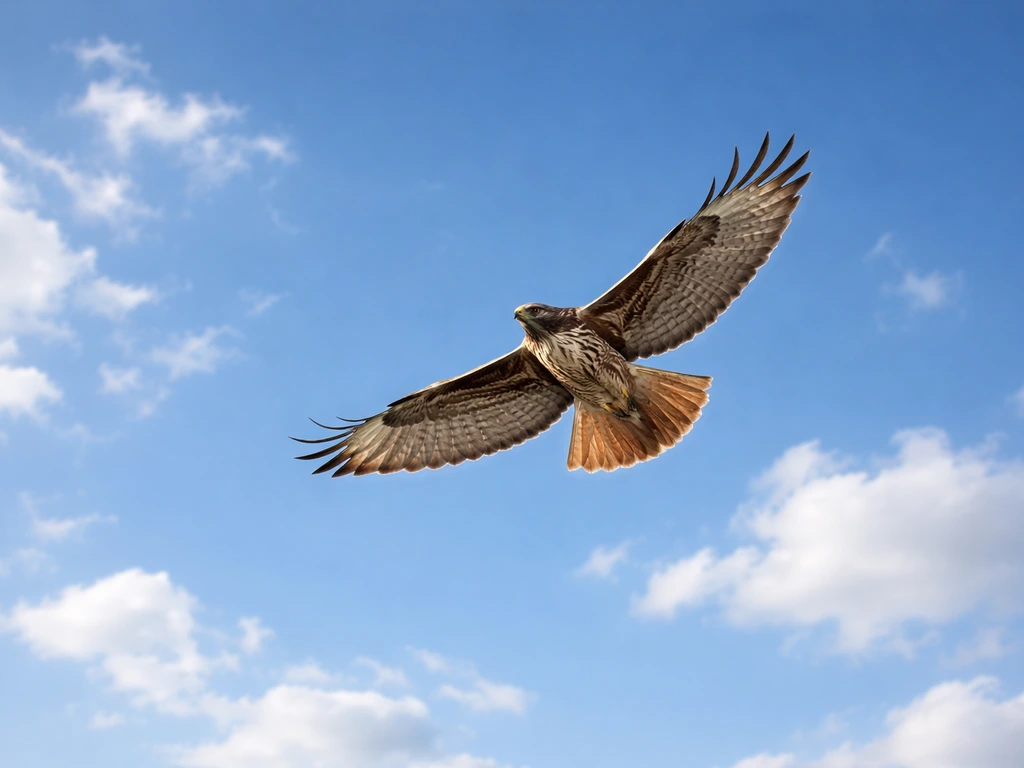
When you see a bird flying in circles, the most likely explanation is completely natural: the bird is riding a thermal, scanning for food, performing a territorial or courtship display, or coordinating with its flock. If you're wondering about the bird flying meaning, it often comes down to whether the bird is using thermals, scanning for food, or signaling a display or distress. Circling is one of the most energy-efficient and purposeful things a bird can do in flight. That said, there are situations where looping, erratic, or low-altitude circles can signal injury, disorientation, or stress. Knowing which is which comes down to a few observable details: the species, the height, the time of day, and whether the bird is alone or with others.
Bird Flying in Circles Meaning: Causes and What to Do

Quick reality check: folk omens vs. what's actually happening
Humans have been assigning meaning to bird flight for a very long time. The ancient practice of ornithomancy, reading omens from the movements and actions of birds, was a formal system of divination in Greek and Roman culture. Augurs (priests whose job was literally to interpret bird behavior) would note whether birds flew left or right, in circles or straight lines, and issue forecasts accordingly. It's a fascinating cultural history, and if you enjoy that symbolic layer, there's a whole tradition to explore. But it's worth being clear: circling flight is not a mystical sign. If you are wondering what “bird flew away” means, it often comes down to simple behavior cues like safety, food search, or responding to a stimulus rather than an omen. It's a biomechanical behavior with identifiable causes.
The 'meaning' people often search for, things like 'a bird circling overhead means good luck' or 'circling means death is near,' are folk interpretations layered onto behavior that birds do for entirely practical reasons. A vulture circling overhead isn't delivering an omen. It's working a thermal. A hawk spiraling above your yard isn't watching over you. It's hunting. Understanding the real reasons is both more accurate and, honestly, more interesting than the omen version.
The most common natural reasons birds fly in circles
There are several well-documented, biology-based reasons a bird might be circling, and most of them are signs of a healthy, capable bird doing exactly what it's supposed to do.
Riding thermals to gain altitude
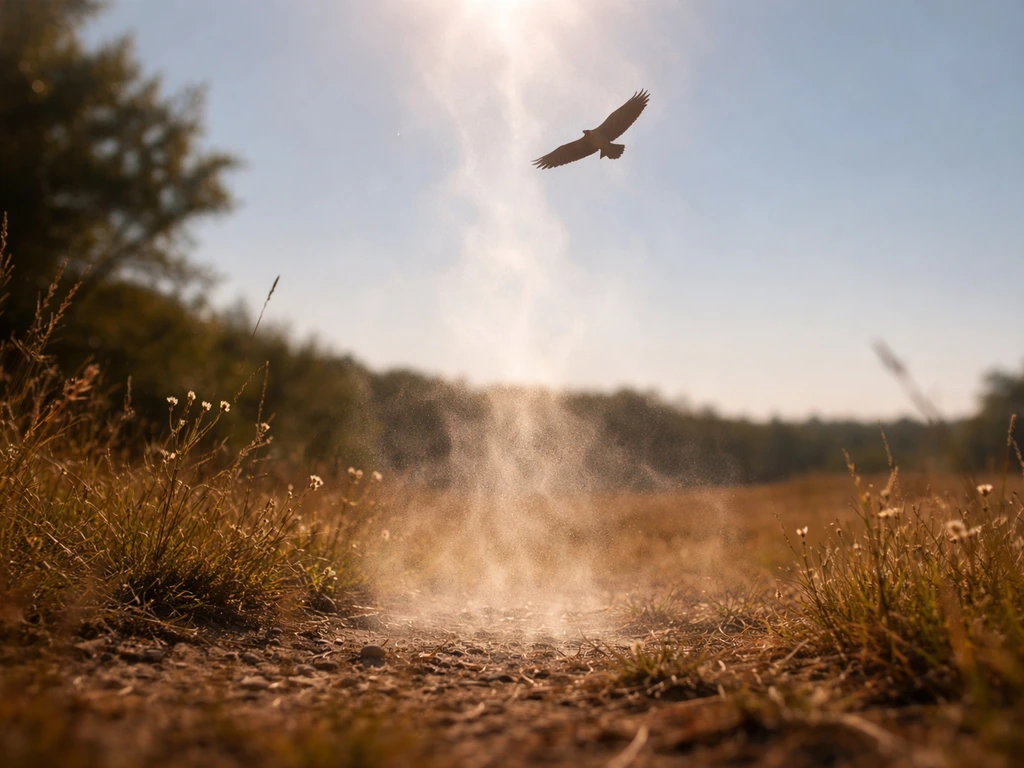
This is the big one. Thermals are columns of warm air that rise from sun-heated ground, and for soaring birds like raptors, vultures, storks, and condors, they're essentially free energy. A bird that hits a thermal will tilt into a banking turn and circle within it to stay inside the rising air column. As it spirals upward, it gains altitude without burning any significant energy. Research on Andean condors shows measurable changes in vertical velocity as they work these circles, climbing hundreds of meters before gliding onward toward their next thermal. Thermals are roughly tornado-shaped: narrow near the ground and wider higher up, which is why birds tend to circle in tighter loops at low altitude and wider, lazier spirals as they climb.
Scanning for food or assessing a target
Circling gives a bird a 360-degree view of the ground below. A hawk circling over a field is systematically covering territory while watching for movement. Vultures often circle above a carcass for a while before descending, using the time to assess whether it's safe to land and whether other scavengers are nearby. In a Reddit discussion about vultures circling, people commonly interpreted the behavior as related to thermals and energy use, and to scavenging or predator-prey dynamics, which matches the everyday context alongside scientific explanations vultures circle. The circling isn't indecision; it's information-gathering.
Territorial and courtship displays
Many raptors use conspicuous high soaring and circling as a way to broadcast ownership of their breeding territory. blank" rel="noopener noreferrer">Ornate hawk-eagles, for instance, maintain territories through visible aerial soaring displays that can look like purposeful circling from below. Bald eagles take this further: their courtship ritual includes dramatic spiraling dives together, sometimes described as a 'death spiral' or cartwheel display, where a mating pair will lock talons and spin downward before releasing. If you see two birds circling each other in spring, there's a reasonable chance you're watching courtship, not distress.
Flock coordination and predator avoidance
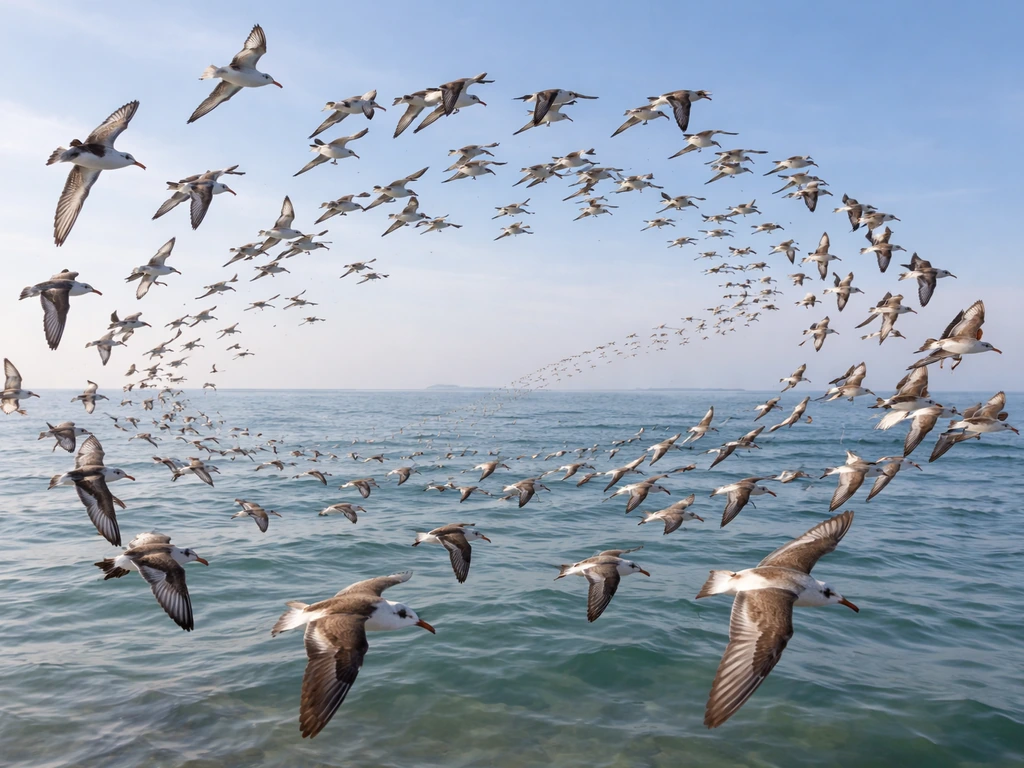
Flocking birds like pigeons, starlings, and shorebirds will often circle as a group when coordinating landing, responding to a predator, or performing the kind of collective maneuvering that makes it harder for a hawk to single out an individual. Pigeon fanciers know that racing or homing pigeons will often circle at the release point before orienting themselves and heading home. This circling is normal navigation behavior, not confusion.
Migration strategy
During migration, soaring birds use thermals as stepping stones: circle up inside a thermal to gain altitude, then glide long distances toward the next one. This thermal-soaring strategy is how large birds like storks and raptors cross continents without exhausting themselves. If you see a large group of birds all circling together in the same area, especially in spring or fall, you're likely watching migrating birds working a shared thermal.
Environmental and flight-mechanics causes
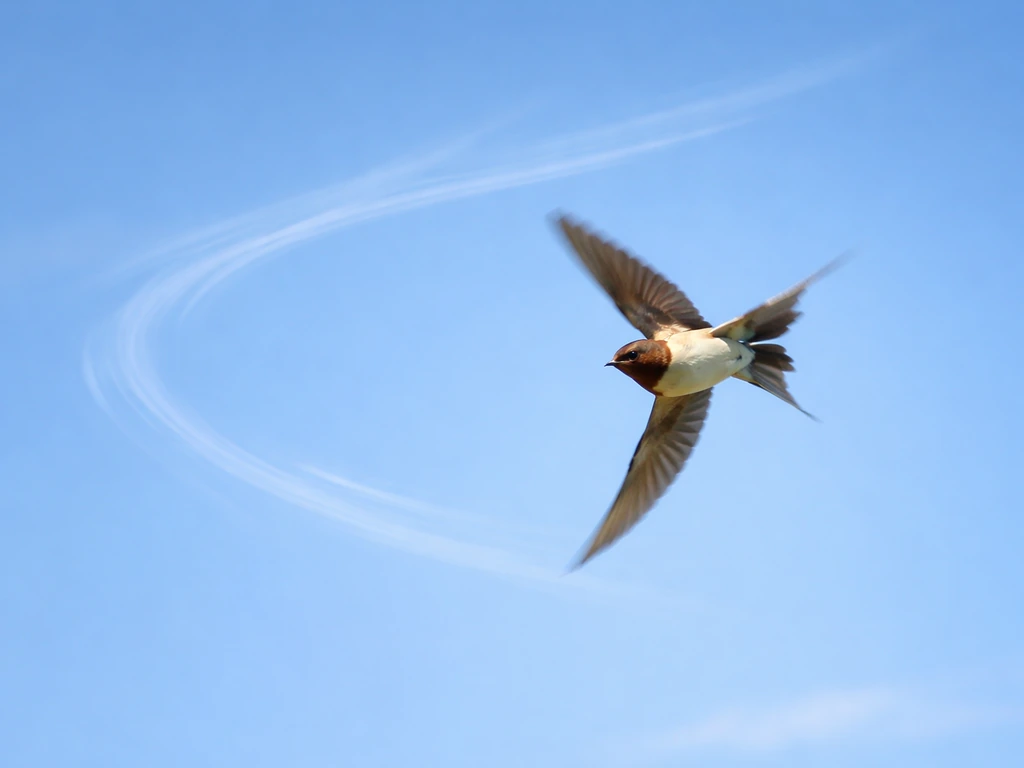
Beyond behavior, the physical environment plays a direct role in producing circular or looping flight paths. Wind is the main factor. In gusty or crosswind conditions, a bird maintaining a position (say, hovering over a nesting area or a food source) will appear to loop or drift in ways that look like circling but are really just the bird correcting for lateral displacement. Think of it like a person walking in a strong wind: you end up zig-zagging to stay on course.
There's also a flight technique called dynamic soaring, used famously by albatrosses, that involves a series of half-circles in alternating directions as the bird cycles between fast and slow wind layers near the ocean surface. It's not a perfect circle but a zigzag loop pattern that extracts energy from the wind gradient. From a distance, or without knowing what you're looking at, this can look like erratic circling.
Low visibility, obstacles like buildings or tree lines, and unfamiliar terrain can also push birds into repeated circuits as they navigate. A bird in an urban environment may circle a block several times while triangulating landmarks before committing to a flight path. Birds use visual landmarks heavily for navigation, and in novel or cluttered environments, a few extra loops are a perfectly rational response.
When circling is a red flag
Most circling is normal. But there are patterns that should prompt a closer look. The difference usually comes down to altitude, control, and whether the bird appears to be in command of its movement.
- Low, tight circles with no apparent lift: A bird circling just a few feet off the ground in tight, repetitive loops without gaining altitude is not working a thermal. This pattern can indicate neurological damage, inner-ear injury, or severe exhaustion.
- Asymmetrical flight: If one wing appears lower than the other, if the bird is visibly struggling to maintain a straight path, or if it keeps tilting and correcting, it may have a wing or shoulder injury.
- Circling near a window or reflective surface: Birds will sometimes attack their own reflections repeatedly, flying at and away from glass in looping patterns. This is a well-documented behavior, not injury, but it can cause injury if it continues.
- Apparent disorientation after a collision: A bird that has struck a window may circle or stumble in a confused pattern close to the ground. This is a concussion-like response and needs attention.
- Separation from flock with erratic looping: A single bird that appears to be trying to rejoin a group but keeps looping back without making progress may be disoriented, exhausted, or injured.
- Circling while being chased: A bird fleeing a predator may circle tightly to avoid being caught. Once the predator leaves, this behavior should stop. If it continues, the bird may be too exhausted to land safely.
Signs described by wildlife clinics that suggest a bird genuinely needs help include: shallow rapid breathing, head tilting or drooping, inability to stand or walk normally, visible wounds or bleeding, a wing held at an unusual angle, or remaining still when you approach within a few feet. A healthy bird will always try to move away from you.
How to figure out what's going on from what you're seeing
You can usually work out whether circling is normal or concerning by running through a quick mental checklist. Here's how to read the situation.
| What you observe | Most likely explanation | Normal or concerning? |
|---|---|---|
| Large bird (hawk, vulture, eagle) circling high, gaining altitude | Thermal soaring | Normal |
| Group of birds circling together, same altitude | Shared thermal, flock coordination, or migration | Normal |
| Two birds spiraling close together in spring | Courtship or territorial display | Normal |
| Bird circling low and repetitively near ground | Injury, disorientation, or exhaustion | Concerning |
| Bird looping near a window or glass surface | Reflection attack or post-collision confusion | Monitor or assist |
| Single bird with asymmetrical or labored flight | Wing injury or fatigue | Concerning |
| Bird circling chaotically at low altitude, not gaining height | Neurological damage, inner-ear injury | Concerning |
| Pigeon or flock bird circling at release point before orienting | Navigation and landmark identification | Normal |
Species matters a lot here. A Turkey Vulture circling at treetop height on a cool morning is almost certainly waiting for thermals to develop before it can soar effectively. A songbird circling at knee height is not. Time of day also matters: thermal soaring happens when the sun has warmed the ground enough to generate convection, typically mid-morning through early afternoon. If a large bird is circling at dawn, it's more likely scanning or displaying than thermal-soaring.
What to do right now
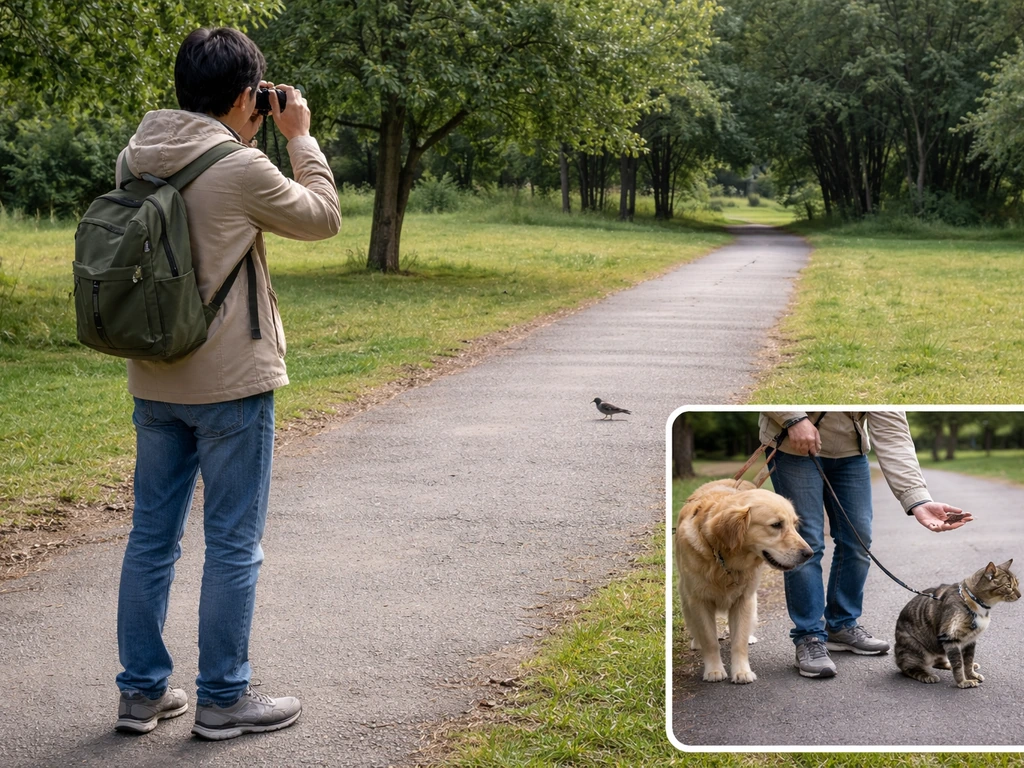
If the bird looks healthy
Watch from a distance. Use binoculars if you have them. Note the species, the altitude, whether it's gaining or losing height, whether it's alone or with others, and the time and weather. Most of the time, you'll be able to match what you see to one of the natural explanations above. Give the bird space and enjoy what you're watching. Circling soaring birds are genuinely impressive to observe once you understand the physics involved.
If the bird seems disoriented or injured
Don't rush in immediately. Watch for a few minutes to confirm the behavior is persistent, not just a momentary response to something you didn't see. If the bird is on the ground and not flying away as you approach, that's significant. If it has visible wounds, a drooping wing, labored breathing, or can't stand, it needs help.
- Keep pets and children away from the bird immediately.
- Do not offer food or water; this can cause harm if the bird is in shock.
- If the bird is in immediate danger (in the road, accessible to predators), you can gently contain it in a cardboard box lined with a cloth, with small air holes. Do not use a wire cage or airtight container.
- Place the box somewhere dark, quiet, and warm, away from noise and activity.
- Contact a licensed wildlife rehabilitator as soon as possible. Earlier intervention significantly improves recovery outcomes. Search 'wildlife rehabilitator near me' or contact your local Audubon chapter, bird alliance, or a wildlife vet.
- If the bird struck a window and appears stunned but has no visible injuries, give it up to two hours in that quiet container before reassessing. Many window-strike birds recover on their own.
What not to do: don't try to splint a wing yourself, don't release a bird that can't fly straight on the assumption it will 'figure it out,' and don't assume a bird sitting still on the ground is fine just because it looks uninjured. Internal injuries and concussions aren't visible from the outside.
If it's a window-strike situation
Glass collisions are one of the most common causes of injury in urban and suburban birds, and a bird that has just hit a window may circle erratically or appear dazed on the ground nearby. Treat it as a potential concussion case. Contain it quietly as described above. If it recovers and flies away cleanly, great. If it's still disoriented after two hours, call for help.
Why birds circle at all: the flight mechanics behind it
Circling flight is really a product of wing design and atmospheric physics working together. People also look for symbolism when a bird flies out of a cage, and the meaning is often tied to themes like freedom, escape, and a new start bird flying out of cage meaning. A bird banking into a circle is doing something aerodynamically specific: it's tilting its body so that the lift vector (the upward force generated by its wings) has a horizontal component pulling it into the curve. The tighter the circle, the more the bird must bank, and the more it must generate additional lift to compensate for the reduced vertical component. This is why small, highly maneuverable birds with short, broad wings can circle tightly, while large soaring birds with long, narrow wings tend to circle in much wider arcs.
Soaring birds modify their wing spread actively to control altitude and speed: spreading wings wider increases lift and slows the bird, while tucking them reduces drag and increases speed. Inside a thermal, a bird will typically spread its wings fully and bank steadily to stay within the rising core of air, adjusting the angle constantly as it reads the updraft. Research confirms that birds tend to circle closer to the thermal core to maximize potential energy gain, essentially optimizing their position in real time. It's a continuous feedback loop between the bird's sensory input and its wing control.
This is also why circling is so diagnostic. A bird in full control of its flight will circle with consistent geometry: steady bank angle, predictable radius, smooth adjustment to wind. A bird that is injured or disoriented will show inconsistency: variable radius, asymmetric banking, unexpected altitude loss, or repeated corrections that don't add up to a coherent path. Once you know what controlled circling looks like, the disordered version becomes obvious.
The connection between wing shape and flight behavior runs through nearly everything birds do in the air. The same principles that make a condor a masterful thermal-soarer make it relatively clumsy at tight maneuvering, while a Cooper's Hawk with its short rounded wings can thread through a forest at speed. Circling behavior is just one expression of that deeper relationship between anatomy, aerodynamics, and ecology. If that link between wing design and behavioral capability interests you, it connects directly to broader questions about how and why birds fly the way they do, topics that touch on everything from migration to hunting strategies to what it actually means for a bird to be 'built for flight. If you also enjoy how people interpret bird signals online, you might be curious about bird flying emoji meaning as a related topic. '
FAQ
How can I tell if a bird circling overhead is hunting versus doing a thermal soar?
Look for changes in behavior. Hunting usually comes with pauses, dives, and purposeful repositioning over a specific patch of ground, while thermal soaring tends to be smoother and more consistent, often staying within a similar vertical zone as it climbs before gliding away.
Why do some birds seem to “circle in the same spot” for a long time?
That pattern often happens when a bird is maintaining position against wind, or when it is working the core of a thermal. If the bird’s altitude steadily increases, it is more likely riding thermals; if altitude stays flat while it keeps correcting, wind or a fixed food source is more likely.
What does it mean when a bird is circling very low over the ground near my house?
Low, repeated circles are more concerning when they are erratic, obstacle-hugging, or accompanied by visible distress on the ground. If the bird is controlled and gradually adjusting its path near a specific area, it can be scanning for food, checking nesting sites, or responding to a local disturbance.
Can a bird circling but not landing mean it is trapped or unable to approach?
Yes. A bird that keeps looping near an entry point, road, or doorway but never commits may be disoriented or physically limited (for example, after a collision). If it will not land normally or repeatedly bumps into the same obstacle area, treat it as a “needs help” scenario, especially if it is on the ground afterward.
Is it ever normal for two birds to circle each other repeatedly?
Often. In spring, repeated circling or spiraling can be courtship behavior, especially if the pair shows coordinated movement and then flies off together. It is more likely distress if one bird cannot match the other’s speed, shows uneven wing posture, or loses height while the other remains stable.
What should I do if I suspect glass-collision, but the bird looks mostly okay?
Give it a short window to recover in a quiet, dim area away from people and pets. If it is still disoriented after about two hours, or if you notice labored breathing, drooping head, bleeding, or it cannot stand, contact a wildlife rehabilitator rather than assuming it will improve on its own.
If a bird is on the ground after circling, when do I assume it needs help?
Use a distance rule and check behavior, not appearance. If it stays put when you approach within a few feet, cannot walk or perch normally, or holds a wing at an unusual angle, it likely needs help. Even “quiet and alert” birds can have internal injuries after collisions.
Should I try to rescue a bird that’s circling but doesn’t appear injured?
Only if it is clearly in danger (for example, repeatedly colliding with windows, trapped in a garage, or unable to escape a predator situation). For healthy free-flying birds, the safest action is to observe from a distance, since repeated human interference can increase stress and reduce their ability to reorient.
Why do birds circling near buildings sometimes look more erratic than birds outdoors?
Urban flight adds extra navigation load. Birds may be using visual landmarks between obstacles, compensating for turbulence around corners and structures, and re-triangulating their route. Erratic-looking paths are more likely normal if the bird maintains coordinated flight and does not show distress signs.
Does circling always mean something about weather, like strong wind or hot ground?
Not always, but weather is a frequent driver. Thermals point to warming conditions, while wind and turbulence can create looping corrections. If the circles happen at dawn or during cold, overcast periods, you are more likely looking at scanning, territorial or display behavior rather than thermal riding.
How does my bird feeder location affect circling behavior?
It can. Birds near consistent food or activity may circle to monitor for threats, assess safe landing spots, or coordinate group movements. If you also notice repeated window visits or sudden looping near a specific glass panel, placing feeders farther from windows and adding temporary deterrents can reduce collisions.
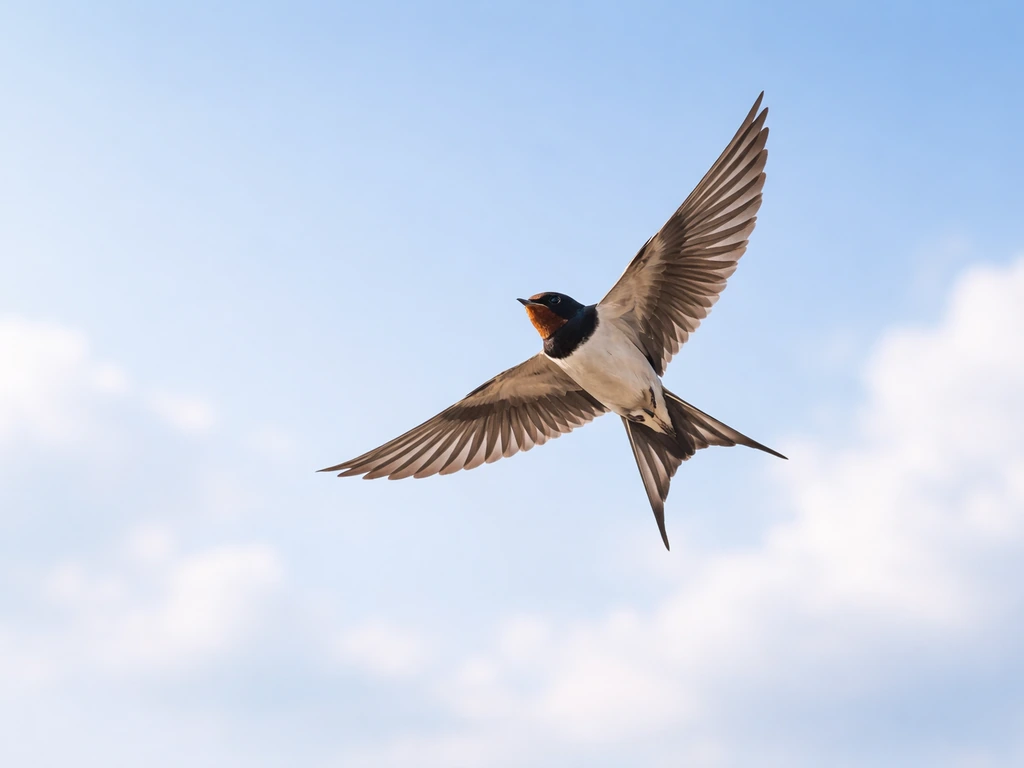
Bird flying meaning in dreams and symbolism, plus real flight behaviors, biology, and how to interpret what you saw toda
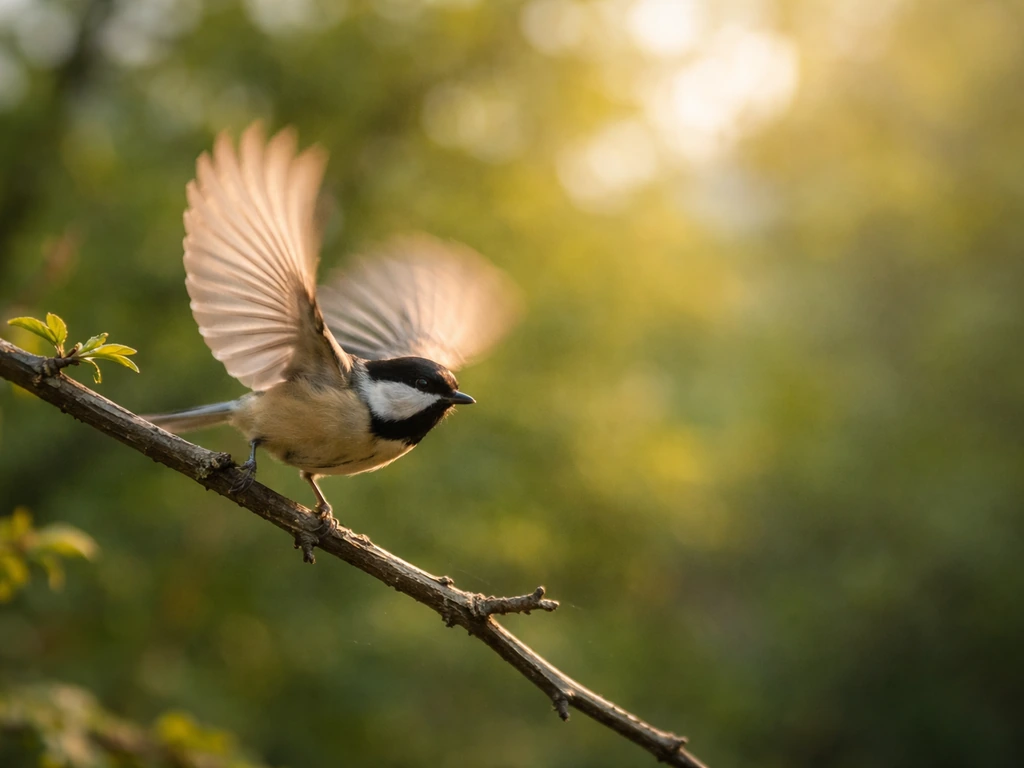
Meanings of bird flew away and bird not flying away, with context clues and next steps for real birds.
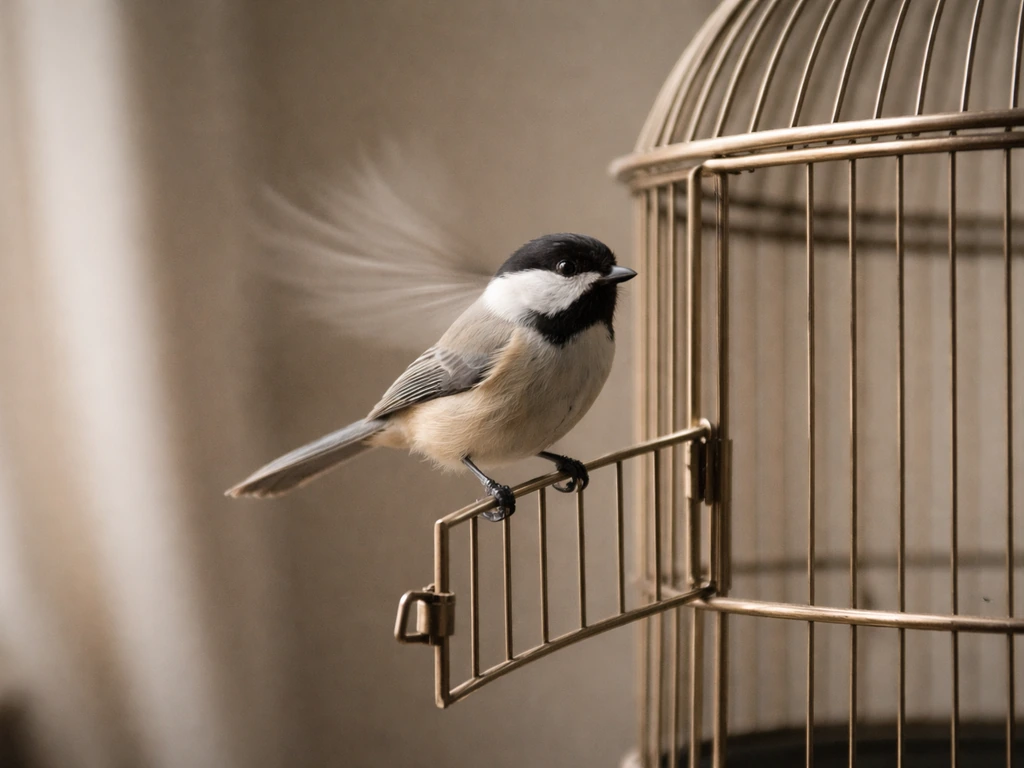
Understand bird flying out of cage meaning and get step-by-step actions to safely lure, assess risks, and prevent repeat