The flapping part is genuinely out of reach. Birds sustain continuous flapping flight at somewhere between 10 and 20 times their basal metabolic rate. Human muscles simply can't produce the power density needed to generate lift through flapping, even with the most efficient arm motion imaginable. This isn't a fitness problem you can train around. It's a hard biomechanical ceiling. What you can replicate is the aerodynamics: the way a bird shapes its body to generate lift, manages drag, picks the right angle of attack, and uses air currents to stay aloft with minimal effort. That's the part worth chasing, and it's genuinely achievable.
If you've ever wondered how it feels to fly like a bird from a sensory standpoint, the answer you're probably looking for lives in paragliding, hang gliding, and wingsuit flight, not in any flapping apparatus. Those disciplines put you in the same aerodynamic relationship with the air that a soaring raptor or albatross experiences. The rest of this guide is about how to get there intelligently.
Bird flight basics to understand first (lift, drag, thrust, and control)
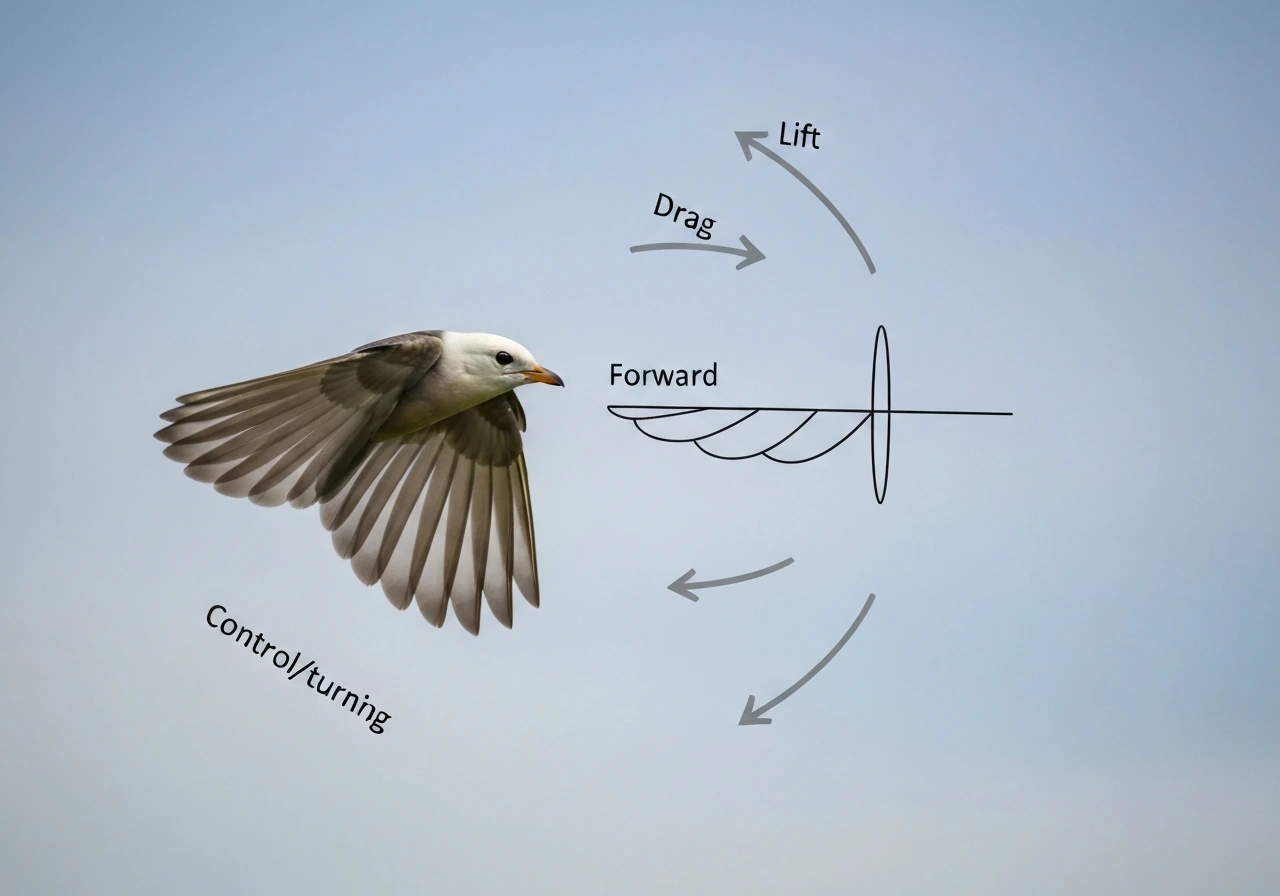
Before you can mimic bird flight, you need to understand what birds are actually doing. Flight is a constant negotiation between four forces: lift (the upward force from moving air over a wing), drag (the resistance that slows everything down), thrust (the force that moves the wing forward through the air), and weight (gravity pulling everything down). In level, steady flight, lift equals weight and thrust equals drag. When a bird banks into a turn or climbs steeply, those balances shift, and the bird adjusts in real time.
Lift comes from the shape of the wing and the angle it presents to the oncoming air, called the angle of attack. Increase the angle and you get more lift, up to a point. Push past that critical angle and airflow separates from the wing surface. The wing stops generating lift cleanly. This is a stall, and it happens to birds, hang gliders, and paragliders alike. What keeps a bird from stalling constantly is continuous, fine-grained adjustment of wing shape, spread, and angle, controlled by dozens of muscles and the alula (a small group of feathers near the "thumb" that act like a leading-edge slat on an airplane).
Research on avian evolution shows that different flight styles, from the deep, slow wingbeats of herons to the rapid strokes of hummingbirds, are tightly linked to wing shape, musculoskeletal layout, and body size. A broad, slotted wing like a golden eagle's is optimized for low-speed soaring and tight thermal climbing. A swept, narrow wing like a swift's is optimized for high-speed cruising with low drag. Understanding these tradeoffs is what separates someone who vaguely waves their arms around from someone who actually learns to work with aerodynamics.
Drag has two main flavors worth knowing. Induced drag comes from generating lift (the unavoidable aerodynamic cost of lift production), and profile drag comes from the shape of the body and wings moving through the air. Birds minimize profile drag by tucking their feet, pulling their wings into streamlined shapes during the downstroke, and aligning their bodies with airflow. You'll do the same thing in a wingsuit or hang glider by tucking your chin, aligning your hips, and adjusting your arm position.
How birds take off, maneuver, and land: human-safe analogs
Bird takeoff is genuinely impressive biomechanics. During the initial jump-and-flap sequence, instantaneous aerodynamic power requirements spike dramatically through each wingbeat cycle, which is why takeoff demands far more energy than cruising flight. Birds essentially repurpose both drag and lift during takeoff, using the downstroke to generate upward force and the upstroke to reposition the wing without losing too much altitude. Landing works in reverse: birds increase their angle of attack dramatically, essentially stalling in a controlled way just above the surface to bleed off speed.
The human analog for takeoff is a running foot launch, which is exactly how hang gliders and paragliders get airborne. You run downhill or into wind, your wing generates enough lift to exceed your body weight, and your feet leave the ground. The speed required for launch is directly tied to wing loading, the ratio of your total weight to your wing's surface area. Paraglider wings are designed around wing loadings of roughly 3 to 4.5 kg per square meter, which is low enough that a running human can generate the airspeed needed to hit that lift threshold. Birds with large wings and low body weight achieve similar wing loadings naturally.
For maneuvering, birds use pitch (nose up or down), roll (banking left or right), and yaw (rotation around a vertical axis) just like any aircraft. In coordinated turns, roll and yaw have to work together, otherwise you slip or skid through the turn instead of carving cleanly. In glider training, coordinated turn technique is one of the first and most important things you learn. It's the same underlying physics a peregrine uses when it banks into a hunting stoop.
Landing, in the human analog, means slowing to minimum controllable airspeed, flaring to increase lift and slow descent, and touching down cleanly. Mess up the flare timing and you either land hard or stall too high and drop. Birds have the same problem, which is why even experienced fliers occasionally blow a landing.
Training your body like a bird: strength, mobility, and coordination
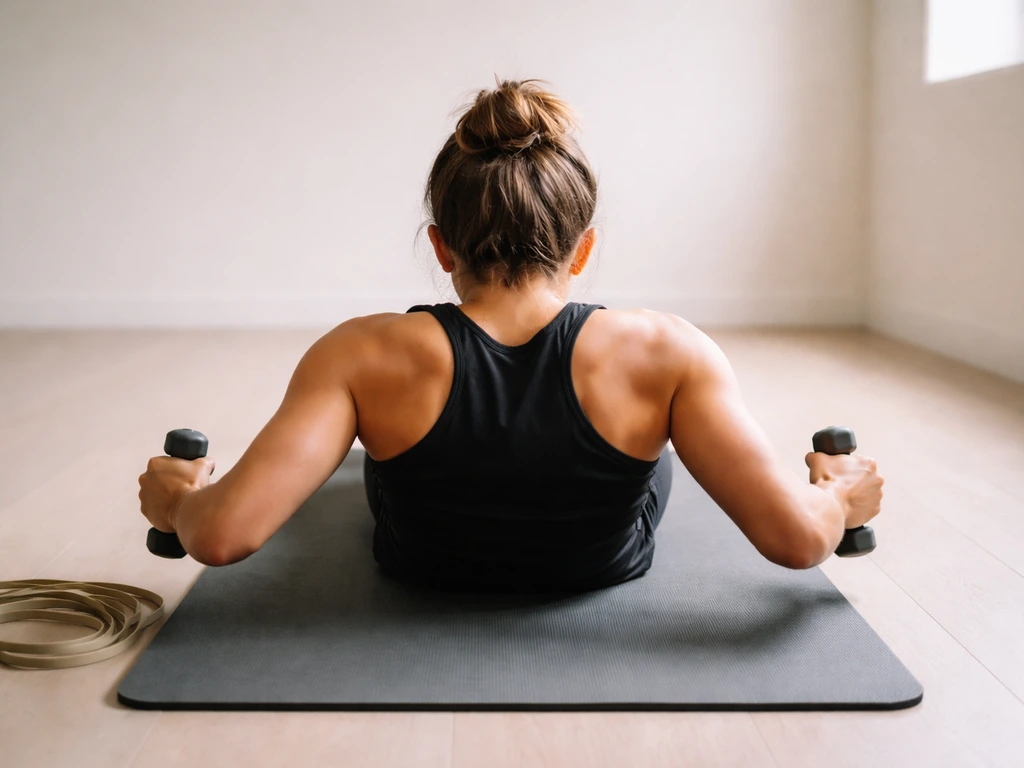
Birds that fly well are built around their flight muscles. The pectoralis major in a pigeon can account for 15 to 25 percent of total body mass. That's an extraordinary commitment to a single motion. Your goal isn't to develop identical muscles (you're not flapping), but to build the body qualities that translate to actual flight sports: shoulder stability, core tension, proprioception, and spatial awareness. Here's what to focus on:
- Shoulder and rotator cuff strength: hang gliders and wingsuits load your shoulders constantly. Overhead pressing, external rotation work with resistance bands, and face pulls will build the endurance you need.
- Core stability: your torso is your fuselage. Hollow body holds, dead bugs, and Pallof presses build the midline tension that keeps your body aligned in the air.
- Hip flexor mobility: in a prone flying position (wingsuit or hang glider harness), tight hip flexors create compensatory arching that distorts your body position and increases drag.
- Proprioception and balance: single-leg work, balance board training, and gymnastics-style body tension drills improve your ability to sense and correct your position in space, exactly what birds do thousands of times per second with their feathers.
- Cardiovascular capacity: sustained soaring or active gliding flight is aerobically demanding. Running, cycling, and swimming build the endurance base you'll need for longer flights.
If you want to go deeper into what this physical preparation looks like as a structured program, the learn to fly like a bird framework gives you a more complete training progression. The key principle is this: you're not building flight muscles the way a bird has them. You're building the control and stability that let you work with aerodynamic equipment the way a bird works with its wings.
Practice paths you can do in real life
Paragliding: the closest thing to soaring like a bird
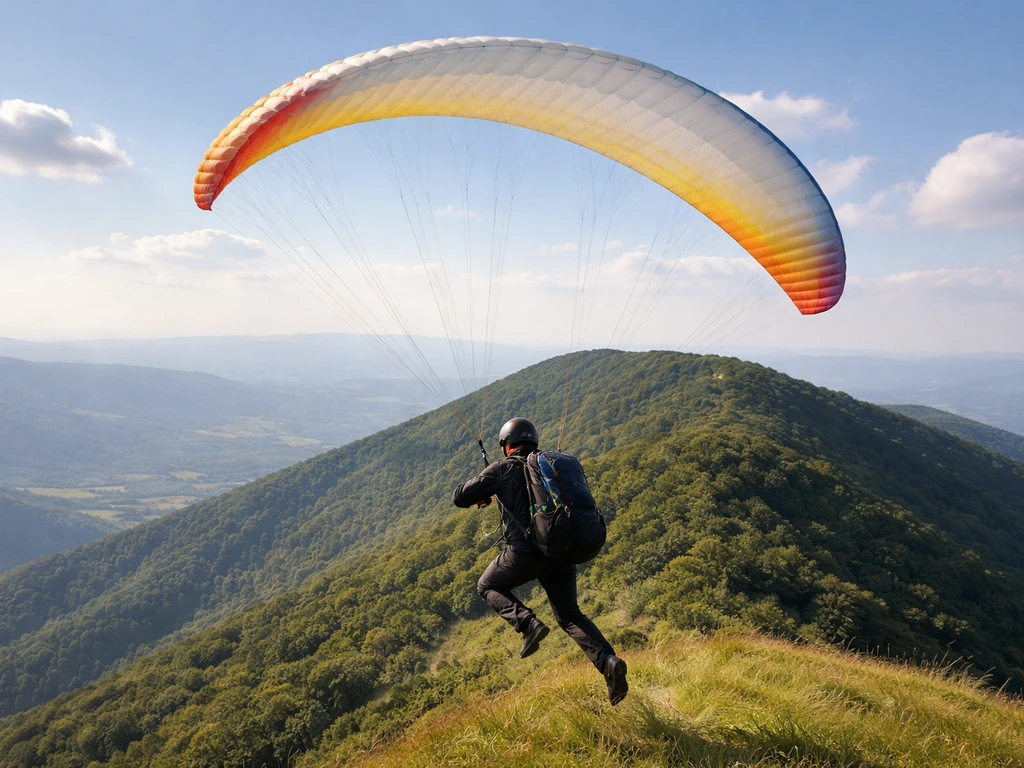
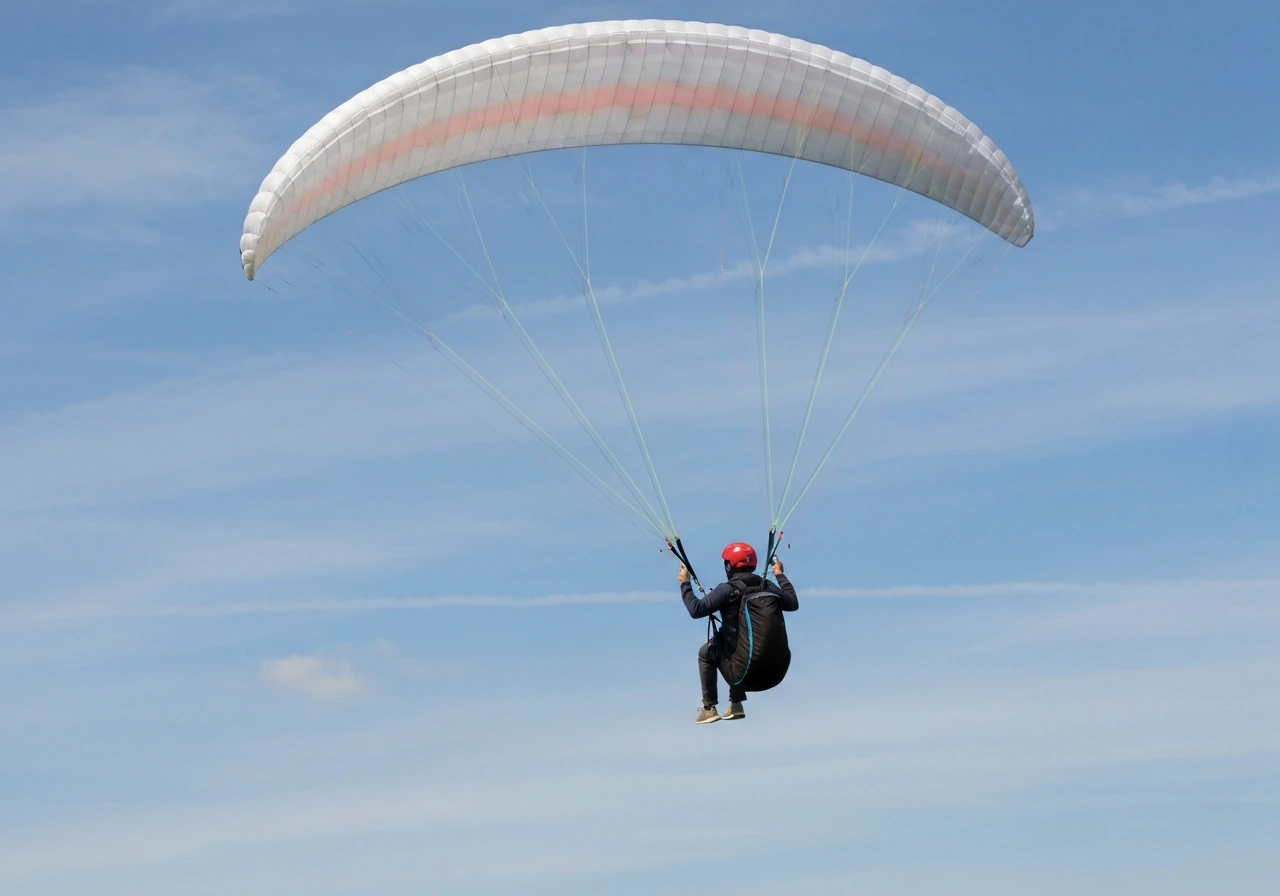
Paragliding is the most accessible entry point for genuine bird-like flight. You're foot-launched, you soar on thermals (rising columns of warm air) and ridge lift (air deflected upward by terrain) exactly the way a red-tailed hawk or a common buzzard does, and you have fine-grained control over pitch and roll through brake toggles. A standard P2 certification in the US (the basic solo license) takes about 7 to 10 days of ground school and hill training at an approved school.
You'll learn wing inflation, kiting (controlling the wing on the ground in wind), and progressive launch and landing sequences before you ever fly a significant height. This is the closest analog to what a large soaring bird does day to day.
Hang gliding: more like a fixed-wing bird
Hang gliding puts you in a more rigid, prone position and gives you a triangular control bar to shift your weight for pitch and roll control. It's slightly more physically demanding than paragliding on launch and landing, and the equipment is bulkier, but the glide ratio of a modern hang glider (often 12:1 or better) rivals a soaring albatross. If you're drawn to the swept-wing, high-speed feel of a falcon or swift, hang gliding is closer to that experience. Certification paths are similar to paragliding, run through the Hang Gliding and Paragliding Association (USHPA) in the US.
Wingsuit BASE and skydiving: the high-speed bird analog
Wingsuit flying is the most dramatic human approximation of flapping bird flight, not because you're flapping, but because your entire body becomes the wing. You use arm and leg position to control pitch and roll, exactly as a bird does with its wings and tail. However, the progression to wingsuit is long: most training organizations require 200 or more skydives before any wingsuit training, and wingsuit BASE jumping is reserved for very experienced skydivers.
The blank" rel="noopener noreferrer">United States Parachute Association (USPA) requires at least 200 freefall skydives before completing a wingsuit first-jump course and making a wingsuit jump, as summarized by Wikipedia citing the Skydivers’ Information Manual USPA requires at least 200 freefall skydives before completing a wingsuit first-jump course. Don't shortcut this progression.
The fatality rate in wingsuit BASE is high enough that it's worth treating the prerequisite experience as non-negotiable.
Indoor skydiving and glider simulation
Indoor vertical wind tunnels (iFly and similar operators) give you a surprisingly effective way to practice body position, stability, and control inputs before you're ever in actual air. For example, iFLY describes indoor skydiving as a training opportunity to “fly more confidently in the sky,” using its company-operated wind-tunnel experience to build facility-specific skills training opportunity to “fly more confidently in the sky”. One hour in a tunnel is roughly equivalent to several skydives worth of body awareness training. Simulator programs and RC glider flying also build genuine intuition for lift, drag, and stall behavior, even though they're not your body in the air. These are genuinely useful stepping stones, not just toys.
Comparing your main options
| Activity | Closest bird analog | Skill barrier | Cost to start | How bird-like it feels |
|---|
| Paragliding | Soaring hawk or vulture | Moderate (P2 cert ~7-10 days) | $1,500-$3,000 course + gear | Very high: thermals, ridge soaring, foot launch |
| Hang gliding | Albatross or swift | Moderate (similar cert path) | $1,500-$2,500 course + gear | High: prone position, weight-shift control |
| Wingsuit skydiving | Peregrine or swift in dive | High (200+ skydives prereq) | $200-$300/jump until cert | Very high: whole-body wing feel |
| Indoor wind tunnel | Hovering kestrel | Low (no cert needed) | $60-$100/hour | Moderate: body position only, no airspeed variation |
| RC glider flying | Observational analog | Low | $100-$500 for equipment | Low: builds conceptual intuition only |
Common mistakes and misconceptions when trying to mimic bird flight
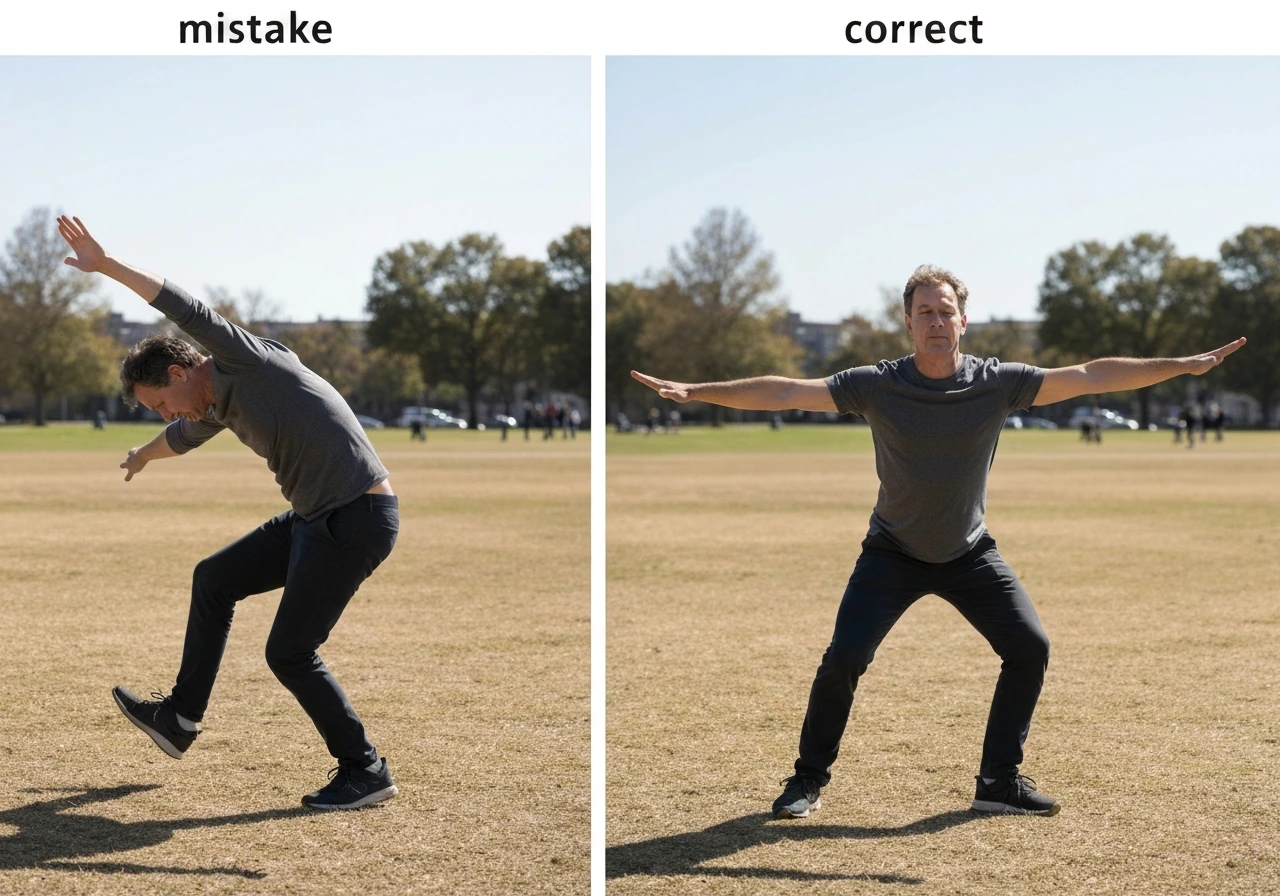
"Flap harder" is the biggest one. People who haven't looked at the underlying physics assume that if birds flap to fly, a human flapping more vigorously should eventually work. It won't, and not because you're not fit enough. The specific power output required for flapping flight at human body mass is physically incompatible with human muscle physiology. You'd need a completely different skeletal and muscular architecture. No training program gets around this.
The second major misconception is that bird flight is mainly about going up. Most of a bird's flight time is spent managing energy, not gaining altitude. A soaring bird is constantly trading altitude for distance, catching lift sources to recharge, and minimizing drag to extend glide. When you start paragliding or hang gliding, you'll discover that the real skill is energy management and reading air, not climbing. This is also why the cultural metaphor of freedom and transcendence around flight, captured in songs like "bird flying high, you know how I feel", resonates so deeply. The feeling of effortless soaring is real, but it's earned through understanding the air, not fighting it.
Another common mistake is ignoring stall. New pilots often think that slowing down is always safer. In flight, slowing below your minimum flying speed means your angle of attack exceeds the critical stall angle, airflow separates from your wing, and lift collapses. This is dangerous at any altitude. Bird flight education is partly stall awareness training, the alula exists specifically to delay stall at slow speeds. In your glider or paraglider, brake toggles do a similar job, but misusing them causes collapses and stalls. Learn what stall feels like in a controlled, high-altitude environment before you ever fly low and slow.
Some people are also drawn to the idea of how to shapeshift into a bird through mythology or fiction, which speaks to a deep human longing but doesn't translate into practical technique. What does translate is studying how a specific bird uses its body shape to control flight, then finding the human or equipment analog for that shape. A tucked wingsuit arm position that reduces drag is a direct translation of how a peregrine pulls its wings in during a stoop.
Finally, don't assume that watching birds is enough to understand what they're doing aerodynamically. A bird in a tight turn looks graceful from below, but what you can't see is the constant micro-adjustments of individual feather groups, tail fan angle, and wingtip spread that make that turn work. The flying bird step by step breakdown of how these elements work together will change how you watch birds fly, and it will make you a better pilot because you'll start recognizing the same control inputs in your own equipment.
Safety, progression, and getting expert help
The single most important safety principle in learning bird-like flight is: never rush the progression. Birds don't go from hatching to soaring in a day. They spend weeks in the nest, then weeks more on short hops, then progressively longer flights. Your training arc should follow the same logic. Ground school before hill training, hill training before high flights, high flights before any cross-country or thermal work. Every certified instructor at a USHPA or equivalent school understands this progression and will enforce it. Let them.
If you're researching the history of human attempts to master this progression, it's worth knowing what happened to "fly like a bird" as a concept across different eras and technologies. The attempts that ended badly share a common thread: skipping steps and underestimating the gap between watching bird flight and replicating its aerodynamic principles safely.
Get certified through an accredited school, not a friend with equipment. In paragliding and hang gliding, a bad habit learned early is much harder to unlearn than a correct habit built from the start. Instructors also provide site-specific knowledge about local wind patterns, thermal behavior, and terrain hazards that you genuinely cannot get from reading or YouTube. The cost of a proper course (typically $1,500 to $3,000 depending on location and gear rental) is small compared to the cost of an injury from unsupervised learning.
Weather is your most important variable and the one beginners most consistently underestimate. Strong thermal days that experienced pilots love are genuinely dangerous for students. Start on smooth, consistent wind days. Learn to read a windsock, understand basic meteorology for pilots, and always ask your instructor whether the day is appropriate for your skill level. Birds have millions of years of evolved instinct for reading air. You're building that intuition from scratch, which means giving yourself time and controlled conditions to accumulate it safely.
One last thought: the line dance community has its own "fly like a bird" steps that capture the rhythm and freedom of flight in movement rather than actual air. If you're not ready to commit to flight training yet, that's a genuinely joyful way to connect with the feeling while you prepare. And if you've been inspired by a song like "fly like a bird, uh huh, what you heard", that cultural pull toward flight is worth taking seriously: it points to something real about what humans are chasing when they look up at a hawk and want to be where it is. The practical path there is longer than a song lyric, but it's genuinely walkable.