
A human cannot fly like a bird by flapping their arms, and no amount of training or muscle-building will change that. The physics simply don't work out for our body plan. But that doesn't mean you can't experience something genuinely close to bird-like flight today. Because the Moon has no air for aerodynamic lift, a bird cannot fly on it fly on the moon. Paragliding, hang gliding, and wingsuits put you in the air using the same aerodynamic principles birds rely on, and they're accessible to most healthy adults willing to invest in proper training. If you want the short version: flapping flight is off the table biologically, but soaring, gliding, and controlled free-flight are very much on it.
Can Man Fly Like a Bird? What Birds Teach Us About Lift

Marcus Chen
31 May 2026
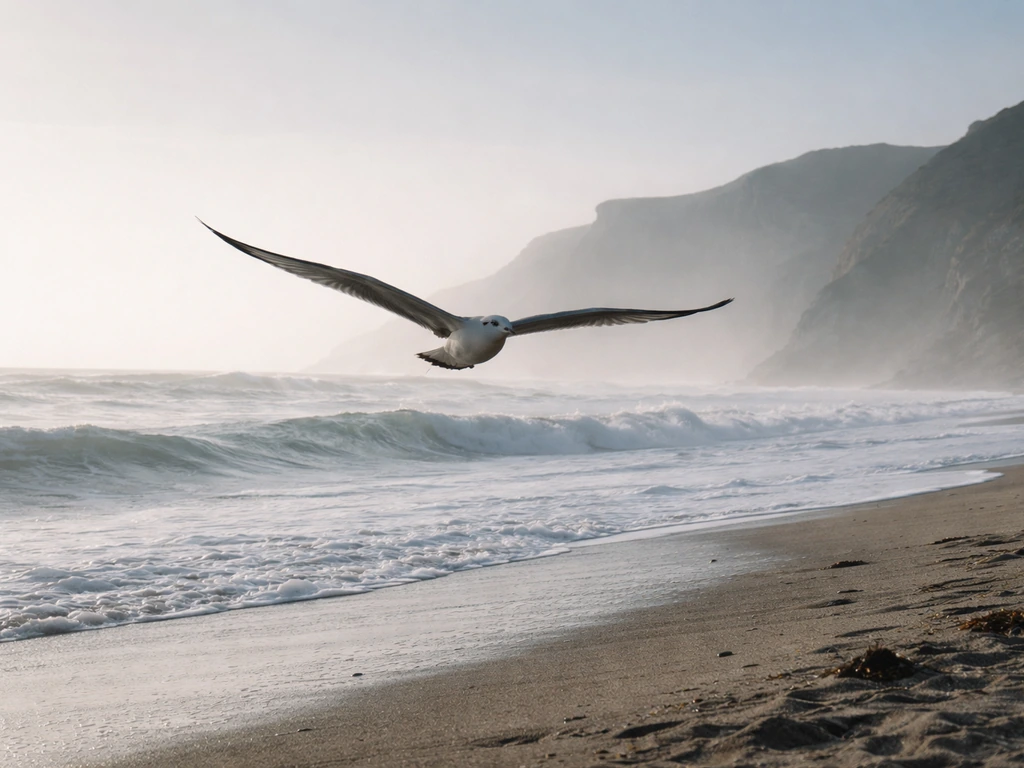
Why flapping your arms won't get you airborne
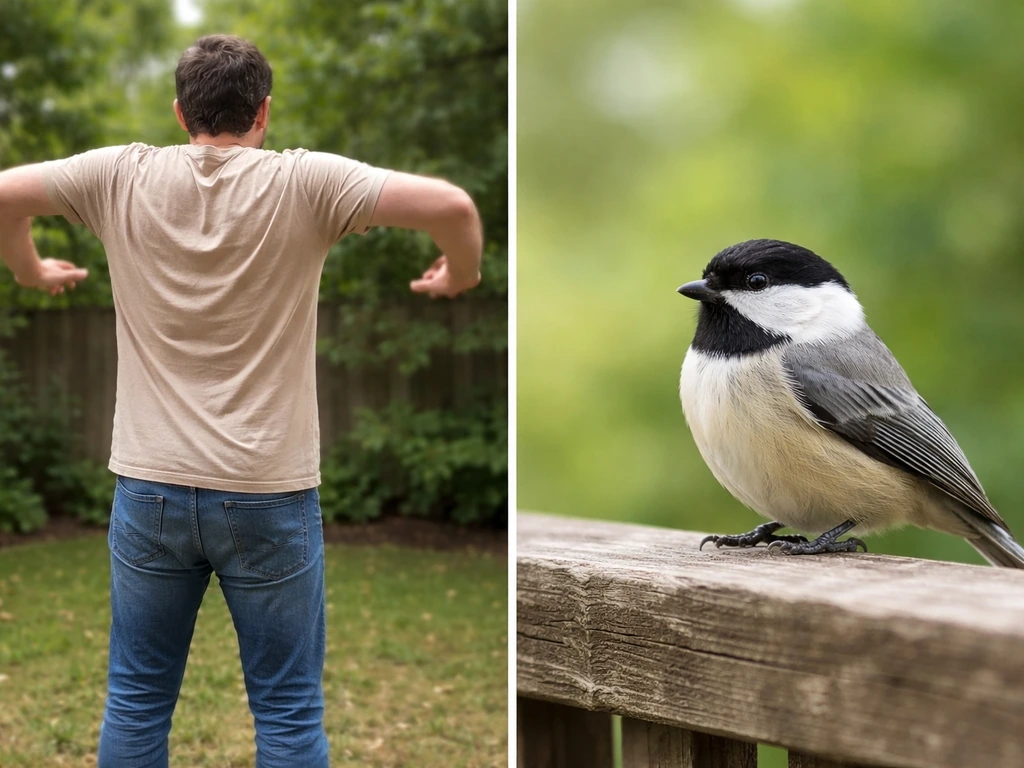
The core problem is a brutal mismatch between muscle power and body weight. MIT engineers put it bluntly: the arms and chest of a human simply don't have anywhere near enough muscle mass to generate the lift needed for flapping flight. Bird flight muscle, primarily the pectoralis, makes up roughly 15 to 25 percent of a bird's total body mass in strong fliers. In humans, the pectoral muscles account for maybe 5 percent of body mass, and they're not built for the rapid cyclical contractions that flapping demands.
The numbers behind bird muscle performance are staggering. Research on bird flight shows that flight muscles operate at roughly 60 to 150 watts per kilogram of muscle mass during cruising flight, surging to around 400 W/kg during explosive takeoff. Even hummingbirds hovering in normal air produce about 98 W/kg on average, peaking near 133 W/kg before aerodynamic failure. The absolute upper end recorded in birds, in the pectoralis of blue-breasted quail during burst takeoff, hits around 400 W/kg cycle-average and up to 1,200 W/kg instantaneously. Human skeletal muscle tops out at roughly 200 to 300 W/kg in elite athletes under ideal conditions, and you can only sustain a fraction of that. We're not even in the right ballpark.
There's also the wing loading problem. Wing loading is simply body mass divided by wing area, expressed in kilograms per square meter. A bird like a wandering albatross has a wing loading around 14 kg/m², which is already on the high end for soaring birds. A small songbird might be under 2 kg/m². Now consider a 75 kg human: to match even a moderate bird wing loading of 10 kg/m², you'd need 7.5 square meters of wing area, roughly the size of a large dining table attached to your body. Wings that large can't be flapped with human muscles, and they'd be uncontrollable during the stroke cycle without the neural and structural adaptations birds evolved over 150 million years.
What bird flight actually involves (and why it's so hard to copy)
Bird flight is not just flapping. It's a continuous, dynamic interplay of lift generation, drag reduction, thrust production, and real-time control, all happening simultaneously through a structure that's simultaneously a wing, a control surface, and a shock absorber. To understand why humans can't replicate it, you have to appreciate what birds are actually doing.
The airfoil and how lift is generated
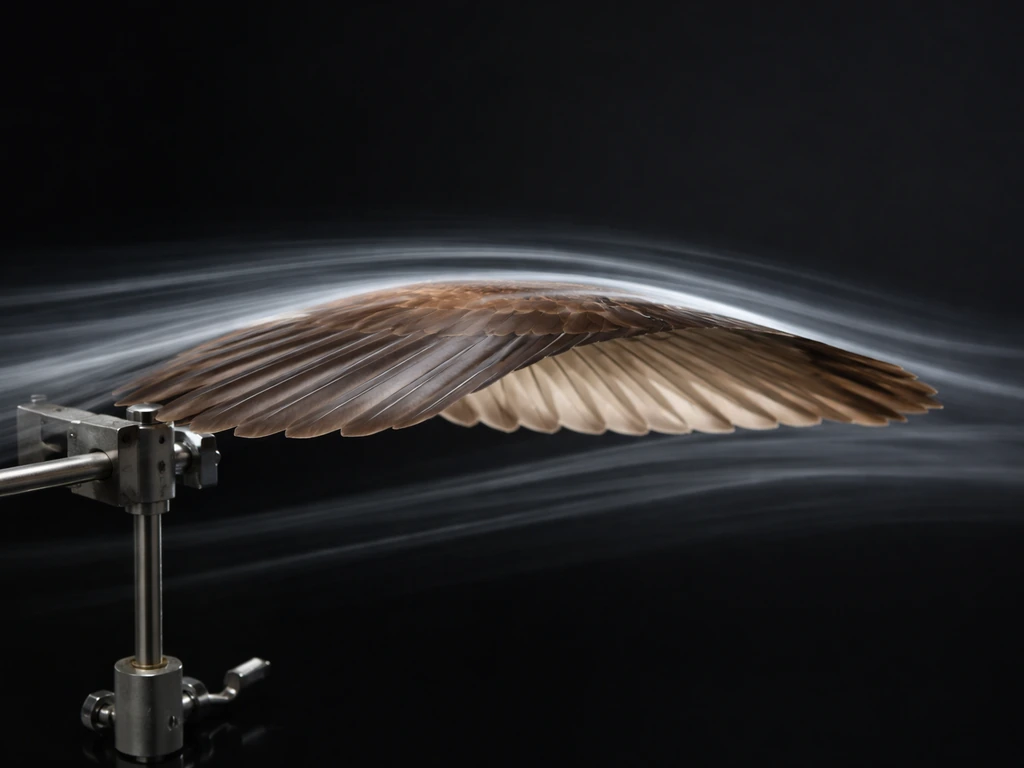
A bird's wing is a cambered airfoil: curved on top, flatter below. As the wing moves through air, the shape forces air to travel faster over the top surface, creating lower pressure above the wing and higher pressure below. That pressure difference generates lift. The angle at which the wing meets the air (the angle of attack) controls how much lift is produced, but push it too far and the airflow separates from the wing, causing a stall. Birds manage this constantly and instinctively. A human strapped to flat boards cannot.
Flapping is unsteady aerodynamics, not just up-and-down
Flapping flight doesn't behave like the smooth, steady flow modeled in basic aerodynamics. Research from TU Delft and others shows that accurate force estimation in flapping wings requires unsteady aerodynamic models that account for rapidly changing airflow patterns, vortex formation at the wingtip, and the passive pitching of the wing during each stroke. Birds exploit leading-edge vortices, wake capture, and clap-and-fling mechanisms at small scales that are nearly impossible to replicate with rigid human-made surfaces. The wing isn't just a fixed shape moving through air; it morphs, twists, and reshapes itself dozens of times per second.
Skeleton, feathers, and the whole integrated system
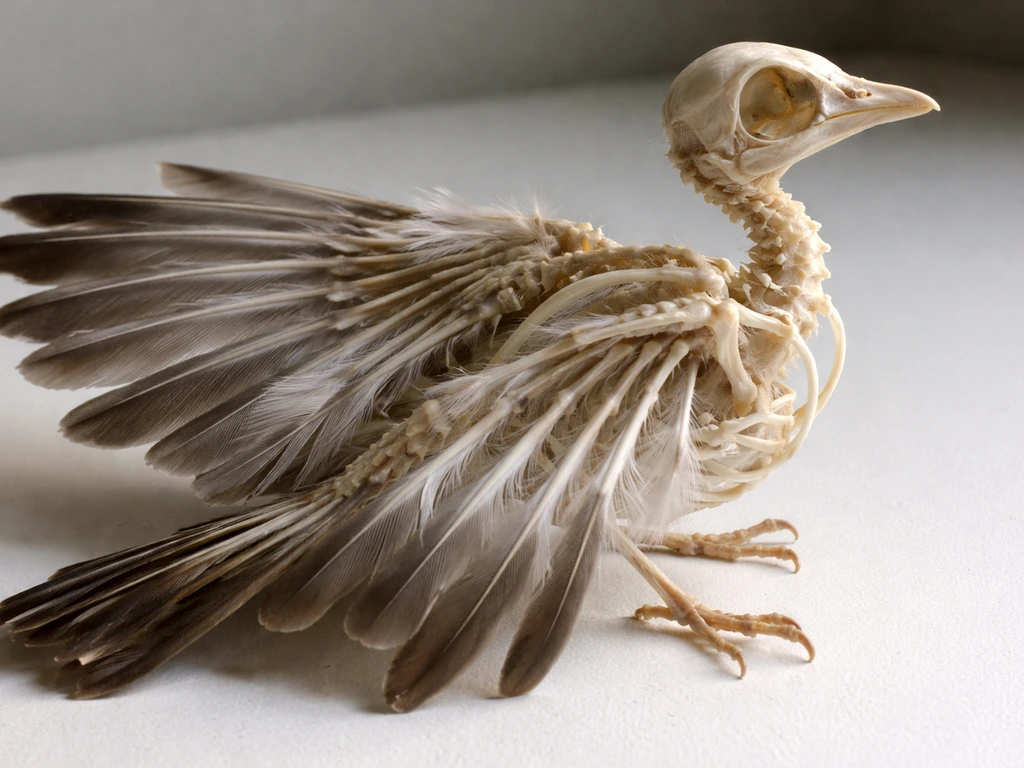
Bird bones are hollow, pneumatized, and fused in ways that dramatically reduce mass while maintaining structural rigidity where it's needed most. The avian respiratory system runs air through the body in a one-way flow (unlike mammalian lungs) and actually extends into some bones, making the entire body lighter and more efficient. Feathers themselves are aerodynamic marvels: they create the airfoil shape, shed drag at the tips, and can be individually adjusted by tiny feather muscles to tune lift and drag in real time. The tail acts as a pitch and yaw control surface that continuously adapts mid-flight. None of this has a direct human analog.
The human body's specific limitations
Beyond raw muscle power, several structural features of the human body make bird-like flapping flight impossible without radical biological redesign.
- Power-to-weight ratio: Even elite cyclists can sustain about 5 to 7 W/kg of total body weight. You'd need sustained outputs closer to 25 to 40 W/kg to power flapping flight at meaningful scales, roughly 5 to 8 times what any human can produce.
- Center of mass: In birds, the center of mass sits close to the wing roots and the keel (breastbone), keeping the system inherently stable. In humans, mass is distributed vertically along a tall frame, making pitch stability in free flight extremely difficult without active, precise control.
- Shoulder mechanics: Human shoulder joints evolved for throwing and climbing, not for the rapid, powerful downstroke that bird flight demands. The range of motion and the tendons supporting it aren't designed for hundreds of flapping cycles per minute.
- Metabolic rate: Bird flight can require metabolic rates up to 30 times basal metabolic rate. Even short bursts of maximum human exertion can't be sustained long enough to maintain altitude, let alone navigate or travel.
- Neural control: Birds have evolved dedicated neural circuits for real-time aerodynamic feedback. Humans would need to consciously manage dozens of variables simultaneously that birds handle automatically.
The real-world alternatives that actually feel like bird flight
Here's where the conversation gets genuinely exciting. You can't flap, but you can soar, glide, and thermal-ride in ways that feel remarkably close to how large soaring birds like eagles, hawks, and albatrosses travel. The key insight is that birds themselves don't always flap either. Many of the most majestic birds you've ever watched spend the majority of their flight time gliding and soaring on rising air, not burning energy with powered flapping. The activities below tap into exactly those same physical principles.
| Activity | How it works | Bird analog | Skill level to start | Relative cost |
|---|---|---|---|---|
| Hang gliding | Rigid or semi-rigid wing, pilot hangs below shifting body weight for control | Large soaring raptors, vultures | Beginner with instruction | Moderate (gear + lessons) |
| Paragliding | Flexible ram-air canopy, seated harness, brake toggles for steering | Thermal soaring eagles, hawks | Beginner with instruction | Moderate to high |
| Wingsuit flying | Fabric between limbs and torso, glide ratio 2.5:1 to 3:1, needs BASE or skydive altitude | Peregrine in steep dive, swift | Advanced (requires 200+ skydives first) | High |
| Powered paragliding (PPG) | Paraglider plus backpack motor for launch and sustained flight | Powered cruise flight of geese | Beginner to intermediate | Moderate to high |
| Skydiving (freefly) | Body position controls direction and speed in freefall | Diving raptor at terminal velocity | Beginner with AFF course | Moderate ongoing |
Of these, paragliding and hang gliding come closest to the bird soaring experience. Both let you ride thermals (columns of warm rising air), ridge lift (air deflected upward by hillsides), and wave lift (standing waves in wind over terrain) exactly as a red-tailed hawk or a condor does. There's genuine skill in reading the air, feeling the wing respond, and making small adjustments to stay aloft. Experienced paraglider pilots regularly fly for hours and travel 100-plus kilometers on a single flight without any engine, which is directly comparable to what large soaring birds do every day.
How to actually get started safely
If you're serious about getting into the air in a bird-like way, here's the honest path. There are no shortcuts worth taking, but the route is genuinely accessible for most people.
Paragliding: the most bird-like entry point
- Find a certified school affiliated with USHPA (United States Hang Gliding and Paragliding Association) in the US, or equivalent national bodies elsewhere (BHPA in the UK, FFVL in France). Avoid anyone offering to teach you without certification.
- Start with a P2 (novice) rating course: typically 7 to 10 days of ground handling, tandem flights, and solo flights from beginner hills. This gets you to independent supervised flying.
- Expect to spend 3 to 6 months and roughly $1,500 to $3,000 USD for instruction before buying your own gear.
- New beginner-appropriate paraglider wings (EN A certified) cost $3,000 to $5,000. A complete new setup including harness, reserve parachute, and helmet runs $5,000 to $8,000.
- Join a local club. The most important learning happens flying with experienced pilots who can read conditions and coach you in the air.
- Understand weather: most paragliding accidents happen from flying in conditions beyond pilot skill level. Learning to read forecasts and on-site conditions is as important as learning to fly.
Hang gliding: closer to rigid-wing soaring birds
Hang gliding has a higher glide ratio than most paragliders (up to 15:1 versus 9:1 for beginner paragliders) and a stiffer, more bird-wing-like feel in the air. The learning curve is slightly steeper because body position control is more physical. Certification paths are similar to paragliding, through USHPA in the US, with equivalent costs. If you're drawn to the silhouette of a hawk gliding rather than the slower, more floaty soaring of a vulture, hang gliding might suit you better.
Wingsuits: the closest to actual bird body shape
Wingsuits look the most like a flying animal and are genuinely thrilling, but they require a substantial skydiving foundation first. Most manufacturers and instructors require at least 200 skydives before a first wingsuit jump. That's roughly one to two years of active skydiving. Wingsuit glide ratios have improved dramatically and now reach 3:1 or better in advanced suits, meaning for every meter you descend, you travel 3 meters forward. Top proximity flying achieves even better glide ratios. This is the closest a human body currently gets to the flight profile of a swift or a peregrine in a stoop, but the entry cost in time, money, and risk is significant.
What it would actually take to build a true human-powered flapping wing
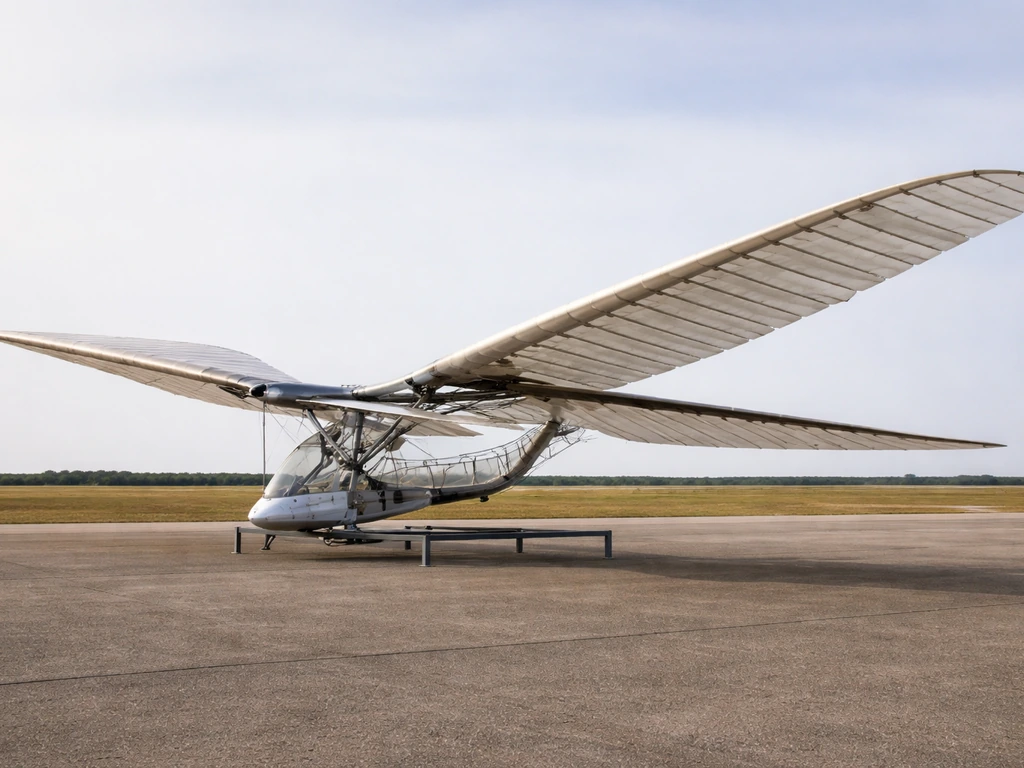
Engineers and researchers have explored human-powered flight seriously, and the results are illuminating. The MIT Daedalus project achieved sustained human-powered flight in 1988 using an ultra-light fixed-wing aircraft and a champion cyclist pedaling a propeller. The pilot, Kanellos Kanellopoulos, flew 119 kilometers across the Aegean Sea. But that aircraft weighed only 31 kg with a wingspan of 34 meters, and required continuous near-maximal effort from an athlete producing about 300 watts continuously. It worked because it used a fixed wing with a propeller, not flapping.
Ornithopters (flapping-wing aircraft) do exist and fly, but the ones that carry humans use motors, not muscles. The problem is exactly what the research lays out: the power requirement for flapping a wing large enough to lift a human exceeds what human muscles can produce by a factor of five or more. The review reports that bird flight power can be quantified from oxygen consumption, converting respirometry measurements into power input (W/kg) and linking power to airspeed with an aerodynamic U-shaped relationship in flapping flight power requirement for flapping a wing large enough to lift a human exceeds what human muscles can produce. Future exoskeletal systems or lightweight electric-assist devices could theoretically bridge some of that gap, but you'd be a passenger in a machine rather than a bird. The aerodynamic complexity of unsteady flapping flight, which requires constant real-time adjustment of wing shape, twist, and angle of attack, also means any workable system would need sophisticated active control, not just raw power.
The most realistic near-future technology for human bird-like flight is probably electric-assisted wingsuits or jetpacks with aerodynamic surfaces, which several companies were actively developing as of 2025 and 2026. These don't replicate bird flapping, but they do allow a human to sustain bird-like glide profiles with assisted thrust, bringing the experience considerably closer to what a large soaring bird does over long distances. For many people, that raises the same question: can we fly like a bird, even if not by flapping our arms feel like a bird-like glide profiles.
The myth versus the real thing
The phrase "fly like a bird" carries two very different meanings, and it's worth being honest about both. In culture and metaphor, flying like a bird is about freedom, weightlessness, and transcendence: a feeling that shows up in everything from Icarus to the Temptations' classic song to Leonardo da Vinci's notebooks. That aspiration is real and worth taking seriously, because it drives genuine engineering and genuine athletic achievement.
But the literal biological version, flapping your own wings to generate lift and thrust under your own muscle power, is not achievable with a human body as it exists. The constraints are in the physics and the anatomy, not in technology or willpower. No training program will give you the power-to-weight ratio of a bird's pectoralis. No device strapped to your arms will replicate the real-time aerodynamic morphing of a feathered wing.
What is real, and genuinely extraordinary, is that paragliding a thermal, soaring a ridge in a hang glider, or flying a wingsuit through a mountain valley puts you in the same aerodynamic conversation as the birds sharing that airspace. You're reading the same lift, responding to the same physics, and navigating the same invisible architecture of rising and falling air. Whether humans could truly fly like a bird in a broader sense, and what that question means across different activities and cultural contexts, is something worth exploring on its own terms. But for right now, if you want to feel what it's like to be aloft, unhurried, and reading the sky the way a red-tailed hawk does: go book a tandem paragliding flight first. That single hour will change how you look at every bird you see after.
FAQ
How much skydiving do I really need before I can try a wingsuit?
For wingsuit training, plan on at least the same time horizon as skydiving: most programs require hundreds of jumps before you go suit flying, and your first exposure is usually a ground school and supervised exit from a base jump instructor. The “glide ratio” matters less early on than consistent freefall stability (dive control, fall rate matching, and canopy contingency skills).
Are there alternatives that feel bird-like but are safer or easier than paragliding?
If you want the closest “bird-like” feeling without committing to paragliding or hang gliding, look for assisted soaring opportunities that let you experience thermal and ridge lift with less initial wing-loading and control complexity. Electric-assisted systems and some specialized training programs can smooth the learning curve, but you still train the same skills that keep you out of stalls and keep you reading lift.
Can I just jump into bird-like flight if it’s windy and I feel confident?
No. Taking off in strong wind without proper speed control is one of the most common ways people get into trouble, because you can get lifted before you can manage angle of attack and glide path. In paragliding and hang gliding, the right goal is controlled airflow over the wing, not just getting above the ground.
What’s the biggest mistake people make when transitioning from skydiving to wingsuiting?
Wingsuits are not “just faster skydives.” You must treat them as a two-stage problem, exit and body position first, then airflow management during the glide. Planning includes exact exit height, route, landing zones, and reserve contingency, because a suit changes how quickly you can adjust your trajectory and how long you have to correct it.
Will I definitely be able to soar like an eagle on my first tandem flight?
Most “bird-like” flight experiences are limited by where lift exists, not by how strong your arms are. Thermals, ridge lift, and wave lift vary hour to hour with weather and terrain, so your first tandem might be a short glide that teaches you control, even if the day is not perfect for long soaring.
How does body weight affect whether I can enjoy paragliding or hang gliding?
If you are heavier than average, wing loading becomes the constraint that drives everything else: higher stall speeds, different trim feel, and different thermal sink rates. That means you may need a different wing size, more conservative training, and careful instructor matching rather than assuming that “stronger effort” compensates.
What should I prioritize during training, besides learning the controls?
A good “training path” is not just certifications, it is graduated decision-making. You should expect to practice weather reading, landing accuracy under changing conditions, and systematic preflight checks, because these are the parts that prevent stall-prone setups and last-minute improvisation.
How should I interpret “fly like a bird,” metaphorically versus literally?
“Fly like a bird” as metaphor is about freedom and weightlessness, but the literal goal in the article is flapping-powered lift. Those two goals lead to different choices, if you want the sensation, start with unpowered or glide-based sports, if you want powered flight, understand you are likely looking at assisted thrust, not human muscle flapping.
Do electric-assisted wingsuits or jetpacks remove the main risks of traditional wingsuits?
Electric-assisted wingsuits or jetpacks with lifting surfaces can help with keeping height and extending airtime, but they do not remove the need for aerodynamic pitch and glide management. You still need training for stability modes, throttle management, emergency procedures, and landing approaches, because the “lift from propulsion” can mask bad airflow habits.
Could an ornithopter ever let me flap my arms and fly like a bird today?
Ornithopters that carry humans are still effectively beyond human-power capability, because the energy and control requirements scale with wing area and unsteady aerodynamics. Even if future assist systems appear, expect them to behave more like motorized aircraft than true muscle-flapping, with active control doing much of the work.
Next Articles
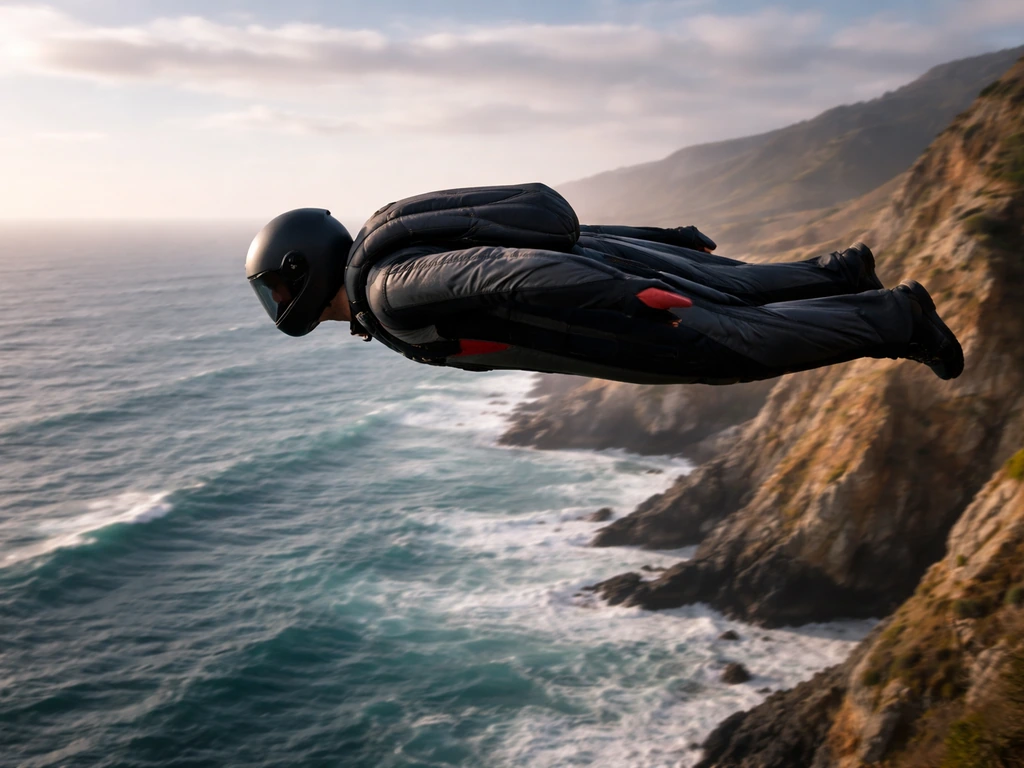
Man Can Fly in the Air Like a Bird: What’s Real Today
Reality check on human flight like a bird: lift and control science, today’s gliding and powered options, safety steps
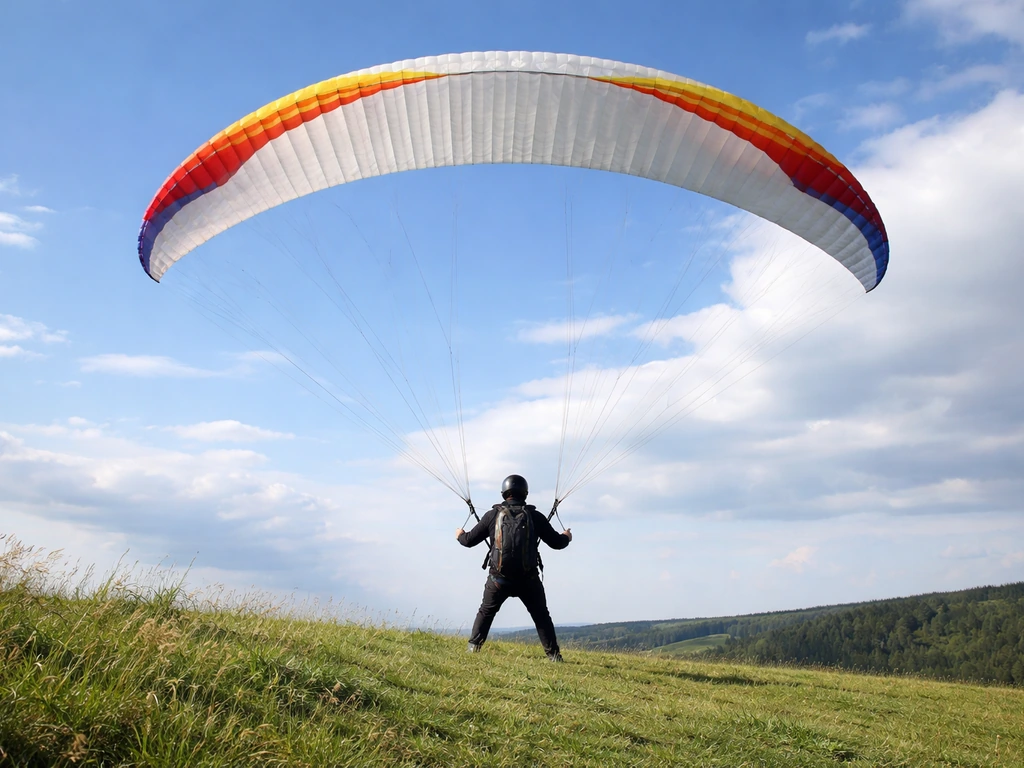
I Can Fly Like a Bird Not in the Sky: Meaning and Options
Clarifies the meaning of I can fly like a bird not in the sky and offers safe real options for bird-like flight.
Bird Has Flown Meaning: Definition and How to Respond
Understand the bird has flown meaning, when it’s used, and how to reply with examples for real-life conversations.