
When a bird is flying, you are watching one of the most finely tuned physical systems in nature doing exactly what millions of years of evolution designed it to do. It is not just flapping and going forward. Every wingbeat, every tilt of the tail, every slight bend of a feather is a real-time calculation in aerodynamics, muscle coordination, and sensory feedback. This guide breaks down what is actually happening in that moment, how to read what you are seeing, and what to do when something looks off.
Bird Is Flying: What It Means and How Flight Works

Marcus Chen
10 Apr 2026
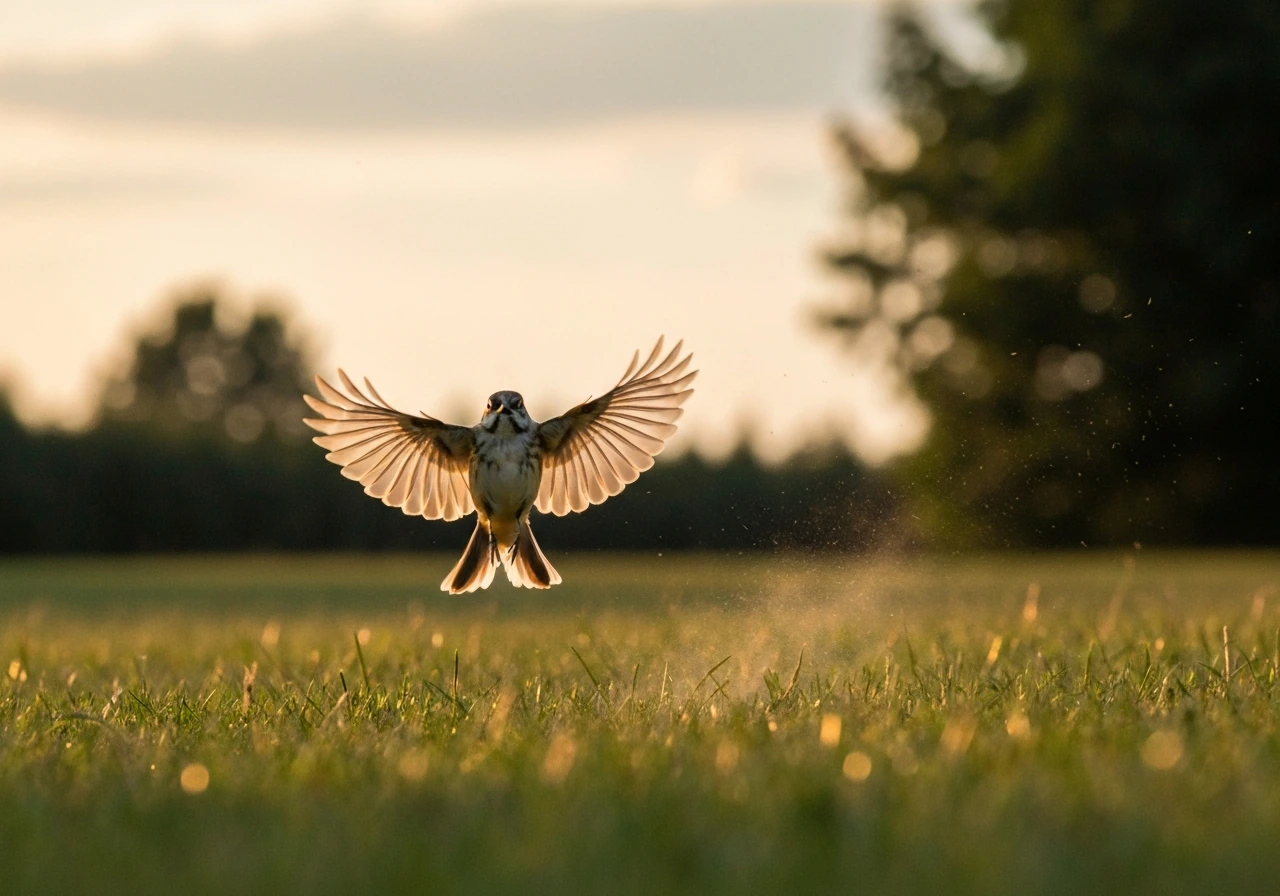
What "bird is flying" looks like in the real world
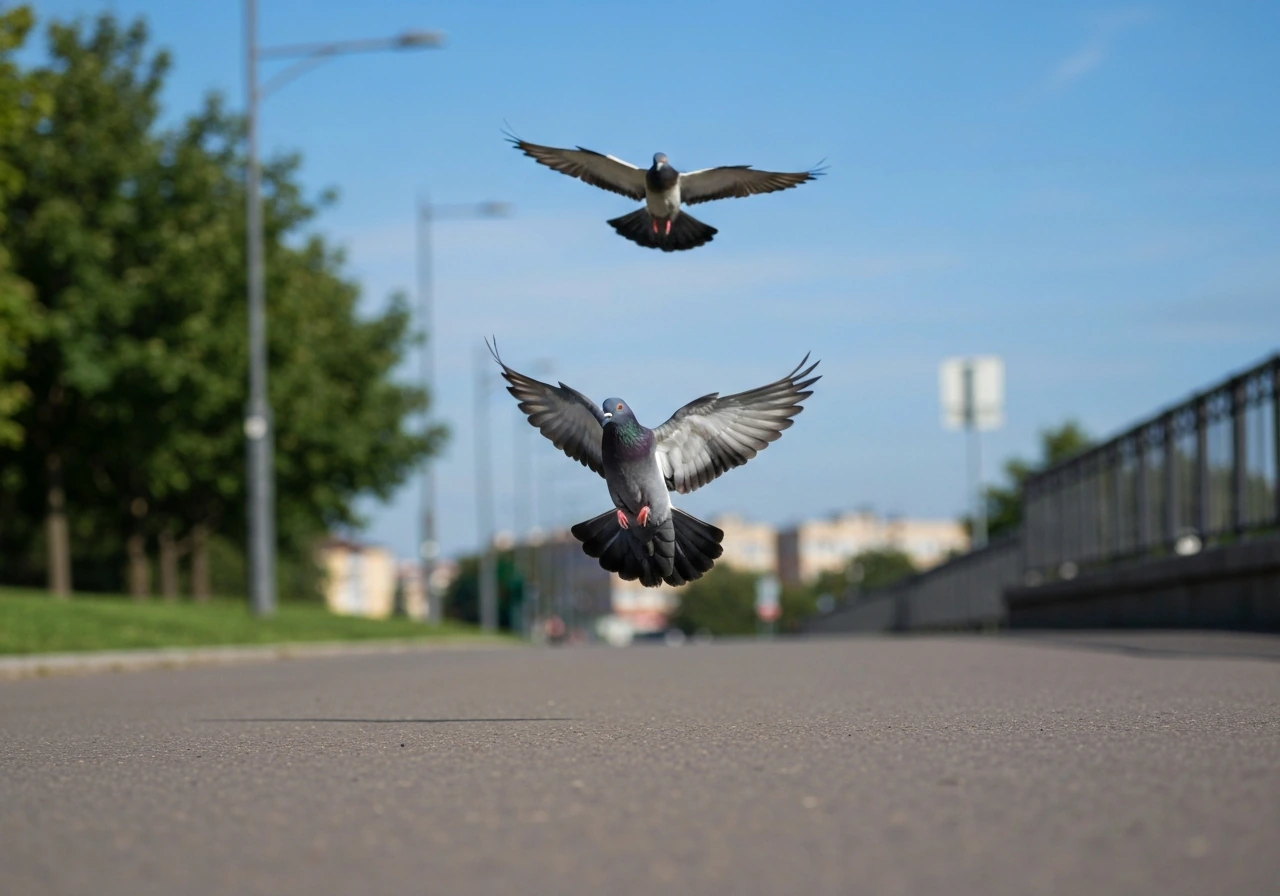
Stand outside for five minutes and you will probably see at least three completely different kinds of flight happening at once. A pigeon pumping hard across a parking lot, a red-tailed hawk barely moving its wings while it traces wide circles overhead, a swallow cutting sharp angles just above the grass. They are all flying, but they are doing fundamentally different things with their bodies. Flight in birds is not a single behavior. It is a family of behaviors, each one shaped by what the bird needs in that moment: speed, altitude, precision, endurance, or stillness. The common thread is that every one of them is generating lift faster than gravity is pulling them down.
One useful way to sharpen your observation skills is to watch the bird is flying above the house scenario. Birds at that altitude are almost always soaring or gliding on thermals, not actively flapping, and that gives you a clean look at wing shape and posture without the blur of rapid wingbeats.
Flight mechanics in plain language: lift, thrust, and control
Lift is the force that holds a bird up, and it comes from airflow moving over a curved wing surface. The wing is shaped so air moving over the top travels faster than air moving under the bottom, which creates lower pressure above the wing and higher pressure below it. That pressure difference pushes the wing upward. The angle at which the wing meets oncoming air, called the angle of attack, controls how much lift is generated.
Lift generally increases as the angle of attack increases, right up until the airflow separates from the wing surface at the critical angle, at which point lift collapses and the bird stalls. Birds manage this constantly in flight, adjusting angle of attack by tilting their wings and body.
Thrust is the forward force that keeps the bird moving fast enough for the wing to keep generating lift. In flapping birds, the downstroke provides most of the thrust: feathers fan out and push against the air like a paddle. The upstroke is where smart feather design pays off. Waterfowl wings, for example, are structured so that the downstroke meets high air resistance (maximizing power) while the upstroke offers low resistance, letting the wing recover without bleeding forward speed. Without enough thrust, lift drops, and the bird descends.
Control is the third element, and it is where things get genuinely interesting. A bird must manage pitch (nose up or down), roll (banking left or right), and yaw (turning the body's nose left or right) all at the same time, using wings, tail, and body posture as its control surfaces. No separate rudder, no ailerons, just feathers and muscle.
Wing motion and body positioning: how birds steer and stay stable
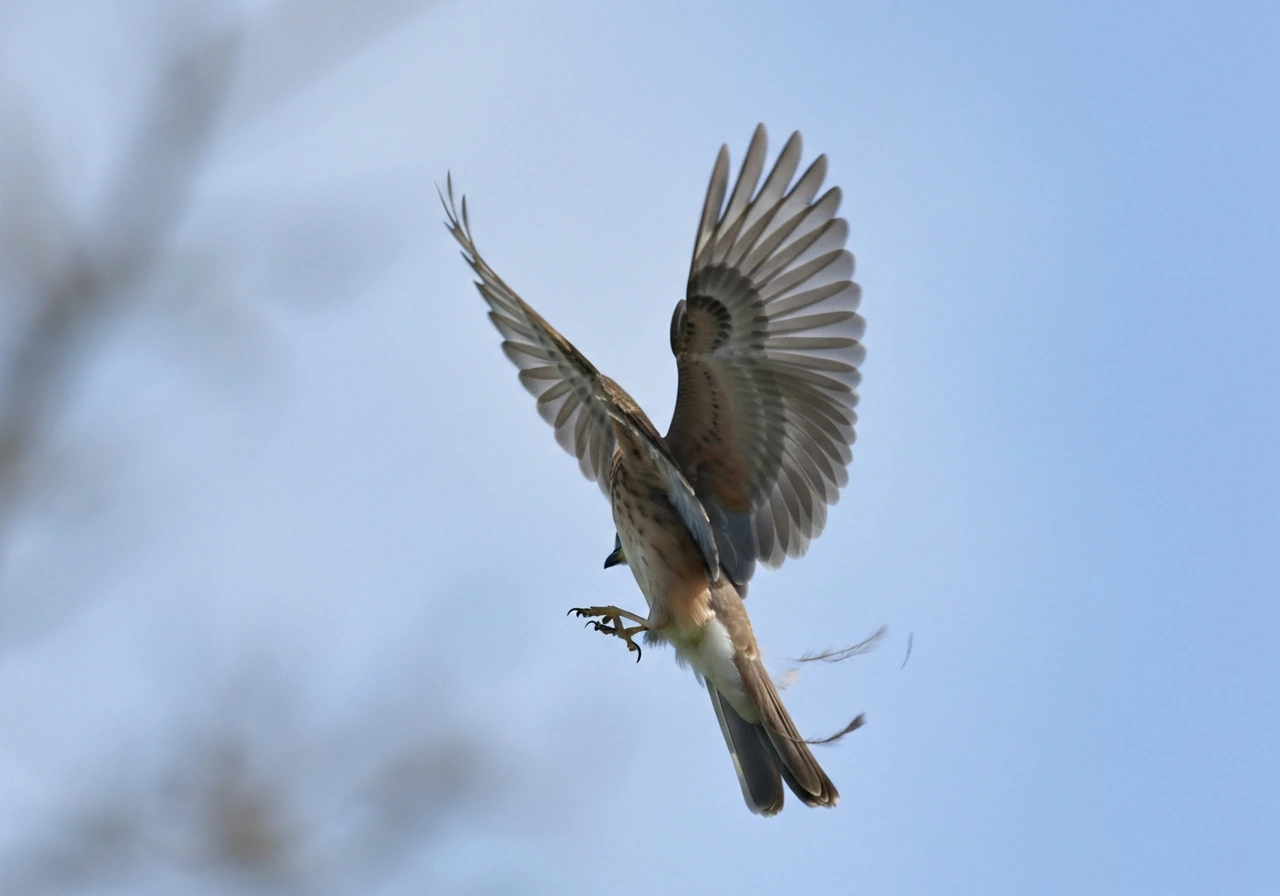
Birds initiate rolls by changing the velocity or angle of one wing relative to the other. The outside wing during a banking turn generates more lift than the inside wing, and the bird actively rolls its body so that the outside wing rises, reducing drag through the turn. This is not passive. It is active muscle control happening in real time.
Birds control roll, pitch, and yaw through what researchers call wing and tail "morphing," meaning they physically reshape the wing's geometry by spreading or folding feathers and adjusting the wrist and elbow joints. The tail acts like a trim tab on an airplane, and you can watch this live: a kestrel hovering over a field is constantly adjusting the fan of its tail and the sweep of its wings to hold position against wind that is never perfectly steady. Research on hovering kestrels has shown this kind of real-time morphing is the core stabilization strategy.
Yaw control is especially elegant in small birds. In studies of Anna's hummingbirds making yaw turns, researchers tracked left and right wingtips, shoulder points, the head tip, and even the middle tail feather to quantify what the bird was doing. The hummingbirds adjusted their wingbeat frequency during turns, with frequencies reaching around 30 wingbeats per second in yaw-turning contexts. Stroke amplitude (how wide the wingbeat arc is) also shifted to meet different force requirements, meaning the bird is not just flapping at a fixed tempo: it is modulating every parameter of its wingbeat to steer.
Body posture matters too. A bird angling its body steeply upward is climbing and trading speed for altitude. A bird with its body nearly horizontal and wings swept back is diving for speed. You can read a remarkable amount of a bird's intention just from the angle between its body axis and the horizon.
Different flight styles by context and species
Wing shape is the single biggest predictor of what flight style you will see from a given bird. Short, broad, rounded wings favor maneuverability in tight spaces, think woodpeckers and forest birds that need to navigate branches. Long, narrow, pointed wings are built for speed and endurance, which is why swifts and falcons have them. Birds with this high aspect ratio wing shape are often called "high-speed" fliers. Heavier birds with larger wings can use that surface area to get airborne, even if sustained soaring is not their specialty.
Flapping flight is what most people picture: continuous wingbeats generating both lift and thrust together. It is energetically expensive, which is why birds that need to cover long distances have evolved ways to reduce the time they spend flapping. Bounding flight, where small birds fold their wings briefly between bursts of flapping, is one strategy. Gliding between flaps is another.
Thermal soaring is the mode where birds use rising columns of warm air as a free elevator. When the sun heats the earth's surface, it warms the air just above it, and that warm air rises in columns called thermals. Raptors, vultures, and storks are the classic thermal soalers: they circle inside the thermal, gaining altitude with minimal effort, then glide across to the next one. If you have ever watched which bird can fly above the clouds, you know that thermal soaring can carry birds to extraordinary altitudes, because thermals can extend several kilometers upward under the right conditions.
Dynamic soaring is a different trick altogether, used by albatrosses and a handful of other seabirds. Instead of riding a single air mass upward, the bird repeatedly crosses the boundary between slow air near the ocean surface and fast wind higher up, extracting energy from the speed difference. It is technically elegant and allows albatrosses to travel vast distances with almost no flapping. The contrast between these two soaring modes shows that "not flapping" is not one thing but several distinct strategies.
Hovering is the most metabolically demanding flight style there is. Hummingbirds are the obvious example, but kestrels, terns, and nightjars can also hold position in moving air. blank" rel="noopener noreferrer">Low wing loading (the ratio of body weight to wing area) is associated with hovering capability in these species. Large waterfowl sit at the opposite extreme: birds like Canada geese and swans have high wing loading and must make extended running takeoffs to build the speed their wings need to generate enough lift.
For a striking example of what peak soaring capability looks like, consider which bird can fly over Mount Everest. Bar-headed geese do exactly this during migration, which requires both exceptional physiological adaptations and sustained flapping at altitude, a completely different demand than the passive thermal soaring of a vulture.
| Flight Style | Wing Shape | Example Species | Key Feature |
|---|---|---|---|
| Continuous flapping | Short, broad, rounded | Pigeon, duck, grouse | High power output, good for takeoff and low-altitude travel |
| Thermal soaring | Long, broad, fingered tips | Red-tailed hawk, turkey vulture, stork | Circles in rising warm air, minimal energy cost |
| Dynamic soaring | Very long, narrow | Albatross | Extracts energy from wind speed gradients near ocean surface |
| Hovering | Short, flexible, rapid | Hummingbird, kestrel | Extremely high wingbeat frequency, all-axis muscle control |
| Bounding/undulating | Short, pointed | Woodpecker, finch | Wing-fold glides between flap bursts, energy saving |
| High-speed powered | Long, narrow, pointed | Swift, peregrine | High aspect ratio, built for sustained fast flight |
What "bird is to fly as" means biologically and behaviorally
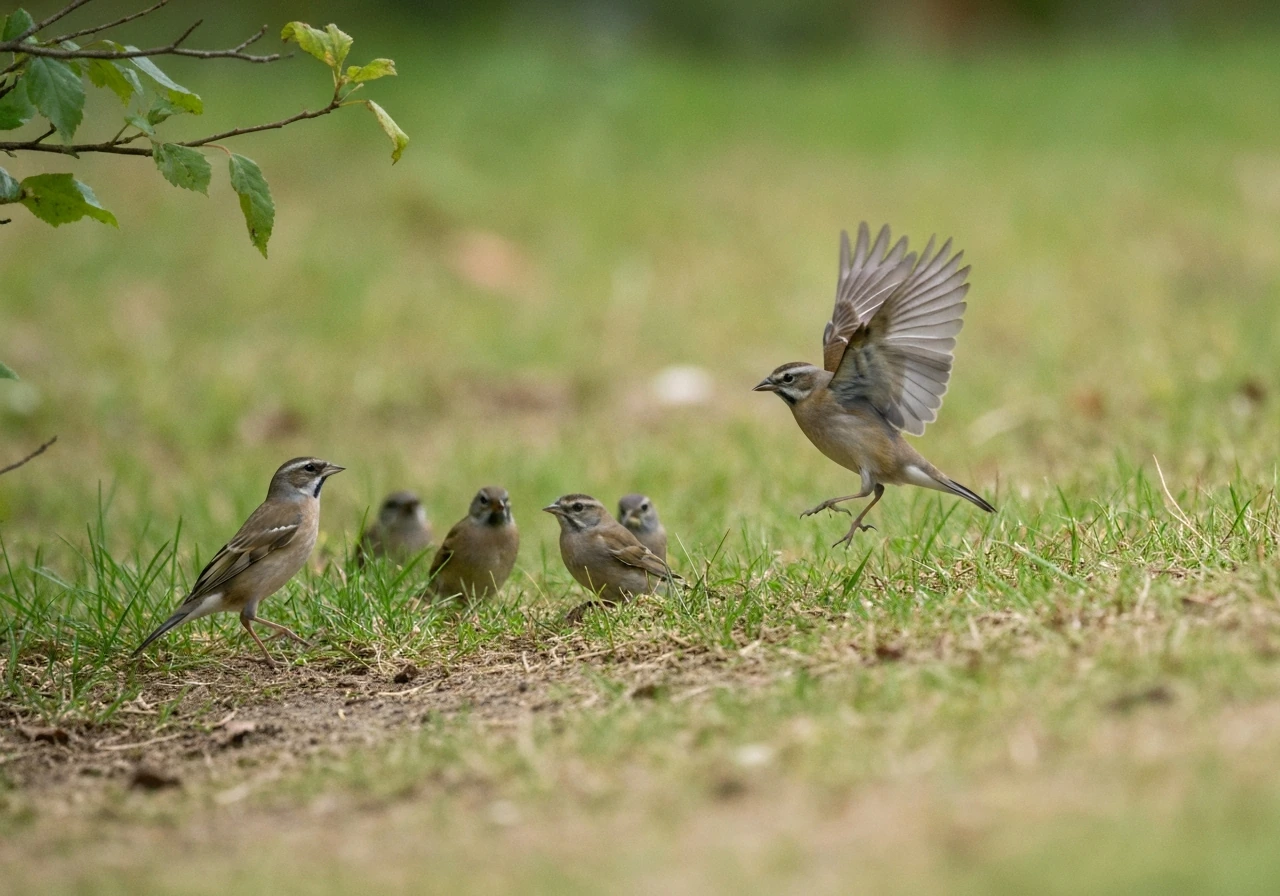
The analogy "bird is to fly as fish is to swim" is not just a vocabulary exercise. It captures something real about how flight is biologically fundamental to what birds are. Flight did not evolve as a bonus feature. It shaped every aspect of bird anatomy: hollow, lightweight bones that make the skeleton more fragile but cut weight dramatically; a fused sternum with a deep keel to anchor enormous flight muscles; feathers that are simultaneously structural, aerodynamic, and insulating. A bird's entire body plan is organized around the demands of getting airborne and staying there.
Behaviorally, flight is how most birds feed, escape predators, find mates, and migrate. When you watch a bird in flight, you are watching the central behavior of the organism. This is also why flightless birds are so instructive as a contrast. Penguins, ostriches, and emus evolved flight away when the costs of maintaining flight muscles and wing structures outweighed the benefits. Their body plans shifted accordingly: heavier bones, reduced wings, different muscle arrangements. The fact that flight is the default and flightlessness is the evolved exception tells you how central flying is to what birds biologically are.
It is worth noting that even birds considered strong fliers have behavioral limits. Understanding when a bird is bored of flying in a behavioral sense, meaning when prolonged or energetically costly flight triggers rest-seeking behavior, is actually relevant to migration science. Birds must balance the energy cost of flight against the urgency of reaching their destination.
How to identify what you are seeing: a quick observation checklist
You can figure out quite a lot about a bird's flight type and intent in under thirty seconds if you know what to look for. Start with wing shape (broad versus narrow, rounded versus pointed). Then watch the wingbeat pattern. Then look at body angle and altitude relative to the horizon.
- Wing shape: Is the wing long and narrow (soarer/speeder), short and rounded (maneuverer), or stubby and rapid (hummingbird/swift)?
- Wingbeat pattern: Continuous flapping? Flap-glide cycles? Sustained glide with no flapping? Hovering in place?
- Body angle: Body tilted steeply upward (climbing), near-horizontal (level cruise), or tilted downward with wings partially folded (diving)?
- Altitude and context: Low and fast near vegetation (hunting or escaping), high and circling (thermal soaring), hovering at a fixed point (hunting hover or facing wind)?
- Tail use: Fanned wide and flat (braking, hovering, tight turn), folded narrow (streamlined fast flight), or pumping up and down (some species use tail pumping as a balance behavior)?
- Wing color or markings: Some species show distinctive patterns only visible in flight. A bird with white tail when flying can be identified by that flash of white as a key field mark, such as with northern harriers or white-tailed kites.
- Flock behavior: Solo? In a V-formation (energy sharing through wingtip vortex drafting)? In a tight murmuration (starlings avoiding predators)?
One thing worth watching specifically is low-altitude flight near trees. The bird is flying above the tree level versus well below it tells you whether the bird is using the thermal lift that trees and terrain features generate, or working in the lower boundary layer where wind is slower and more turbulent. Hawks hunting field edges stay just above tree height to use cover and surprise. Soaring birds push above it to find clean updrafts.
When flight is not normal: signs of injury or disorientation
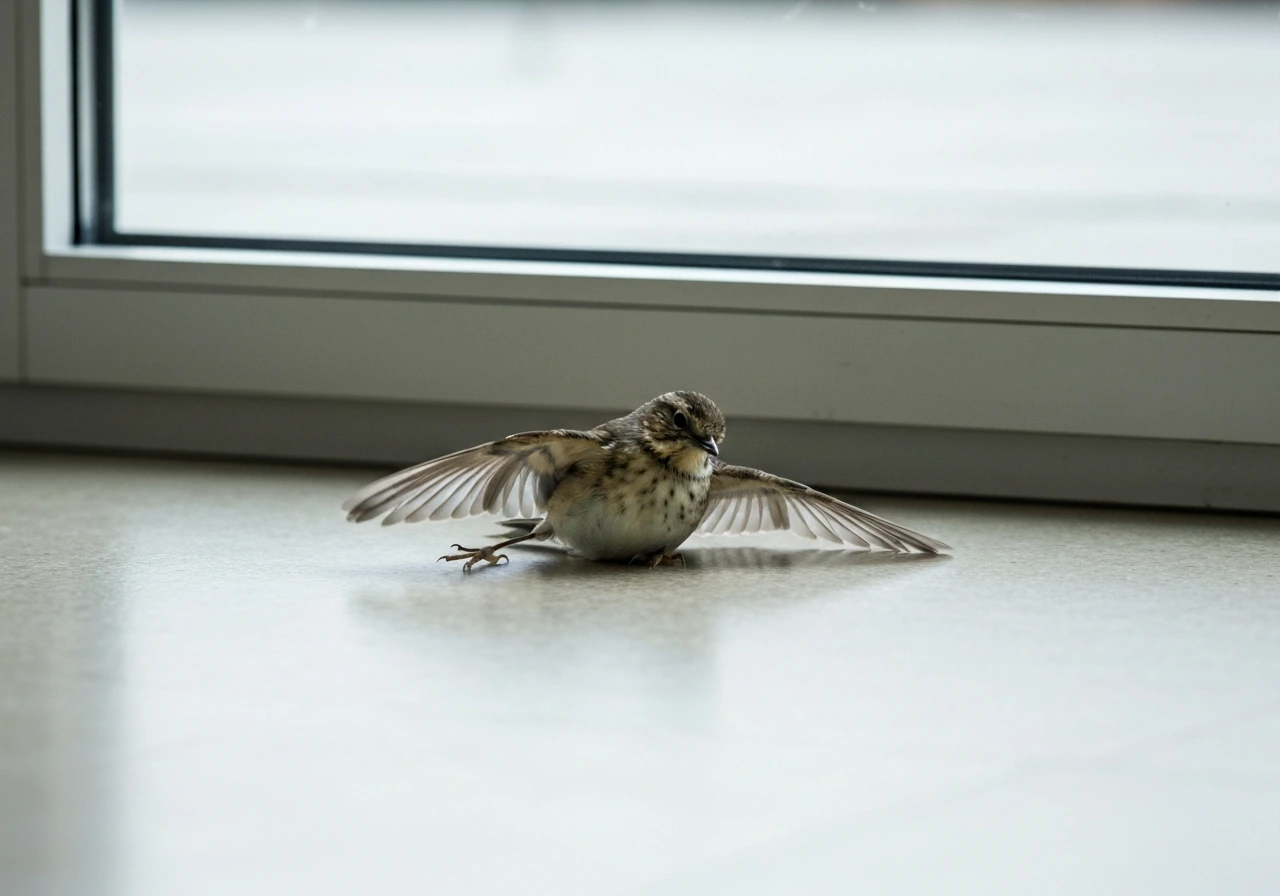
Most birds you see flying are fine. But occasionally you will encounter one that is not. The clearest signs that something is wrong are: a bird that cannot become airborne or keeps landing after very short flights, one that is moving in an asymmetrical way (one wing held lower than the other, difficulty banking in one direction), one that is flying in an erratic or circular pattern without apparent purpose, or a bird on the ground that will not move when you approach it.
Window strikes are one of the most common causes of sudden flight incapacity. Birds' lightweight skeletons make flight easier, but those same bones protect internal organs less effectively than denser skeletons would. A window strike can cause serious internal injury even when the bird looks unharmed on the outside. If you see a bird hit a window, the correct move is to place it immediately in a shoebox or an unwaxed paper bag and get it to a veterinarian or permitted wildlife rehabilitator for assessment. Do not assume it is fine because it is still breathing.
If the bird needs to rest before you can transport it, place it in a cardboard box in a dark, warm, quiet location. Darkness reduces stress and calms the bird's nervous system, giving it the best chance of stabilizing. The Wildlife Trusts specifically warns against trying to force-release certain species: never try to throw a swift into the air to get it airborne, because if it is too weak to fly it will fall and injure itself further.
The clearest signs that a bird definitely needs professional help are visible: a broken or drooping limb, active bleeding, shivering, or a bird that is simply sitting on the ground allowing you to approach within a few feet. Once you have the bird contained, do not attempt to feed it. Incorrect diet can cause additional injury or death, especially in species with specialized nutritional needs. Contact a local wildlife rehabilitation organization or a wildlife helpline to find out where to take the bird, and transport it as soon as possible.
- Contain the bird in a shoebox, cardboard box, or unwaxed paper bag lined with a soft cloth
- Keep it in a dark, warm, quiet place, not in a car with loud music or bright light
- Do not offer food or water unless specifically told to by a rehabilitator
- Do not force the bird to fly or throw it into the air to test if it can fly
- Contact a licensed wildlife rehabilitator, wildlife clinic, or your local veterinarian as soon as possible
- If you cannot immediately transport the bird, call a wildlife helpline for guidance on temporary care
Flight is so central to a bird's survival that impaired flight is genuinely life-threatening in the wild. Getting the bird to professional care quickly, keeping it calm, and not making things worse with well-meaning but harmful interventions like incorrect feeding are the three things that actually move the needle on outcomes. If you can do those three things, you have done everything you reasonably can.
FAQ
If a bird’s wings aren’t flapping much, does “bird is flying” still apply?
Yes. Many birds alternate between active wingbeats and near-gliding, even during what looks like “steady flight.” If wingbeats pause briefly while the bird holds altitude with smooth posture, it may be gliding or soaring on an updraft rather than flapping continuously.
How can I tell normal maneuvering from a bird that’s struggling in flight?
Focus on stability and symmetry. A healthy bird usually maintains a controllable path and can bank both directions with similar ease. Persistent asymmetry, such as one wing held low or repeated circling to one side, often indicates weakness or injury rather than normal maneuvering.
Is it ever normal for a bird to wobble or dip right after takeoff?
Yes. After takeoff, many birds momentarily wobble while they adjust angle of attack and trim. The key difference is duration and recovery: normal adjustments resolve quickly, while an injured or exhausted bird may keep sinking, landing, or failing to accelerate after repeated flaps.
Can a bird be stressed even if it’s still flying? What should I look for?
It can, because the “wrong” kind of lift or thrust shows up as behavior changes. For example, a bird trying to hover or climb but repeatedly stalling (sudden drop or ineffective wingbeats) may be dealing with wing damage, overheating, or neurological stress.
If a bird survives a window strike and seems alert, should I still treat it as injured?
A window strike can leave a bird unable to right itself even if it appears outwardly okay. If you find a bird after a window impact, the safest approach is containment and veterinary or wildlife rehabilitation assessment, because internal injury may prevent normal flight later.
How do I know when a grounded bird needs help immediately rather than later?
No. Even if the bird is breathing, do not assume it will recover on its own. Many birds calm down temporarily when grounded but cannot regain full flight capability, which increases the risk of repeated injury or predation.
Should I feed an injured bird to help it recover?
Avoid feeding. After an injury, diet errors can worsen outcomes because birds often have species-specific nutritional needs and stress can reduce proper swallowing or digestion. Use containment and get professional guidance instead.
What’s the best way to contain a bird before transport?
Place it in a ventilated, dark, quiet container, minimize handling, and keep it warm but not overheated. If you must transport, do it promptly, because delays increase stress and reduce the likelihood that the bird can recover safely.
How can I tell whether a bird is using updrafts or flying near the ground for hunting?
Yes. Low flight near trees is often about using terrain and wind structure, while birds higher up are more likely using clearer updrafts. A practical rule of thumb: if it stays just above branches while hunting, it may be working the boundary layer and cover, not thermals.
What quick visual cues help me identify a bird’s likely flight style?
Wing shape is a clue, but the quickest check is how the bird changes energy use. Gliders and soarers tend to show longer pauses or wide, smooth arcs with fewer beats, while high-maneuver flyers show frequent, compact adjustments in wing and tail posture.
How do I avoid mistaking foraging flight for distress?
It matters because you might interpret “erratic flight” incorrectly. Some birds use purposeful, intermittent flights during foraging, while true distress often comes with repeated inability to correct direction or height, frequent landing, or obvious loss of control.
Why might two birds that are “soaring” still look completely different?
Yes. Birds can fly with different strategies that all produce lift, including thermal soaring, dynamic soaring, gliding, and hovering. If you see repeated crossing of wind layers or long distance with minimal flapping over water, that pattern may differ from thermal circling.
Is it ever okay to gently toss a weak bird into the air to help it take off?
Usually, no. The article’s guidance about not forcing flight is especially important for species that need specialized takeoff mechanics (for example, swifts). Trying to throw or force them airborne can worsen injuries if they are too weak to generate safe lift.
Next Articles
The Bird Is Flying Above the Tree: What To Do Now
Figure out why a bird is flying above a tree and get do-this-now steps for safety, deterrence, and when to call wildlife
Which Bird Can Fly Above the Clouds? Top High Soarers
Find which birds soar highest, from eagles and condors to albatrosses, plus tips to spot them above local cloud height.
Which Bird Can Fly Over Mount Everest? The Definitive Answer
Definitive answer on which birds can fly at or above Everest altitude, with how to verify high-altitude records.