
If you're watching a bird fly above or over a tree right now and wondering what's actually going on, here's the short answer: it depends on what the bird is doing up there. A single slow circle usually means the bird is hunting or scouting. Repeated tight passes near the canopy often mean a nest is nearby. Frantic, erratic flying can mean stress or disorientation. Once you know which situation you're in, the right response becomes obvious. This guide walks you through exactly that, step by step.
The Bird Is Flying Above the Tree: What To Do Now

Marcus Chen
22 Mar 2026
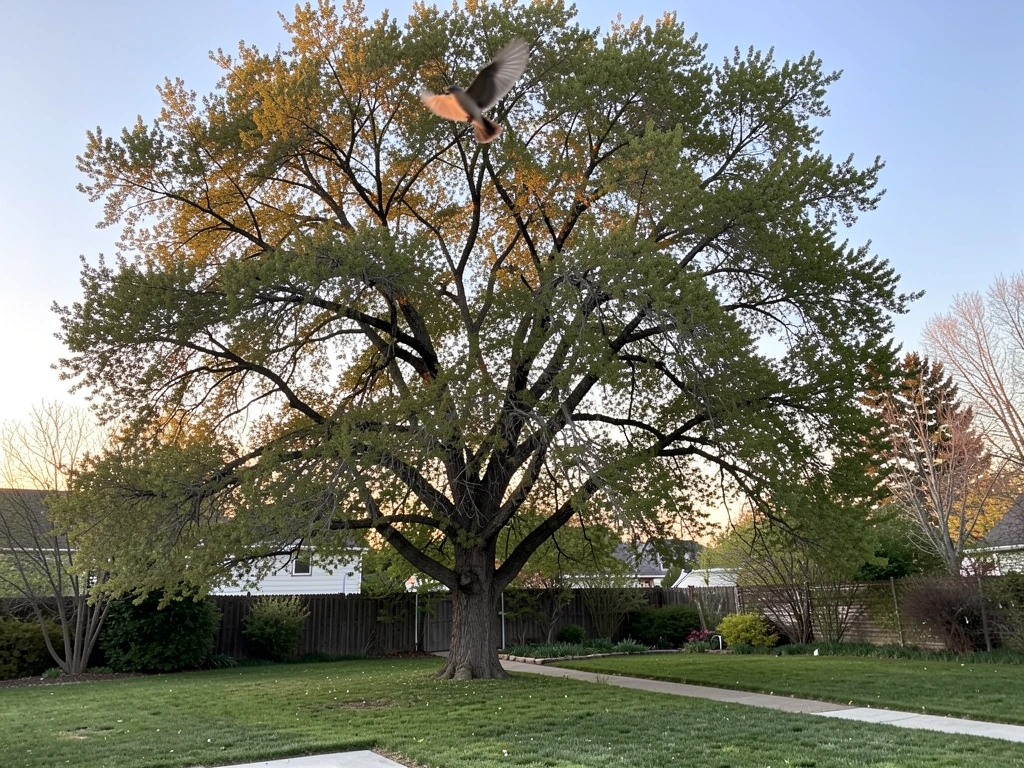
What it actually means when a bird flies above a tree
Birds fly above trees for very specific reasons, and reading those reasons correctly saves you a lot of unnecessary worry. The tree is almost always a reference point for the bird, not a random backdrop. It's either a food source, a shelter anchor, a territorial marker, or a landmark on a longer journey.
In practical terms, here are the four most common scenarios you're likely seeing:
- Passing through: The bird is using the tree as a visual waypoint during migration or local movement. It flies above the canopy without slowing, doesn't circle back, and disappears within seconds. Nothing to act on here.
- Hunting or foraging: Hawks, falcons, and even robins will hover or circle slowly above a tree to spot prey below the canopy, in the bark, or on the ground nearby. The movement is deliberate and patient.
- Scouting or roosting: A bird may circle a tree several times before committing to land, checking for predators or competition. You'll see it gain altitude, drop slightly, then circle again before it settles.
- Protecting a nest: This is the big one. If a bird repeatedly swoops low over a tree, dive-bombs, calls loudly, or flies directly at you when you approach, there is almost certainly a nest in or near that tree. Mockingbirds are notorious for this, but cardinals, robins, jays, and red-winged blackbirds do it too.
Spring (March through June in the Northern Hemisphere) is peak nesting season, so if you're reading this in late March, nesting behavior is the first thing to rule in or out. A bird that seems to be orbiting a specific tree right now is more likely guarding a nest than doing anything else.
Quick checks to confirm what's going on
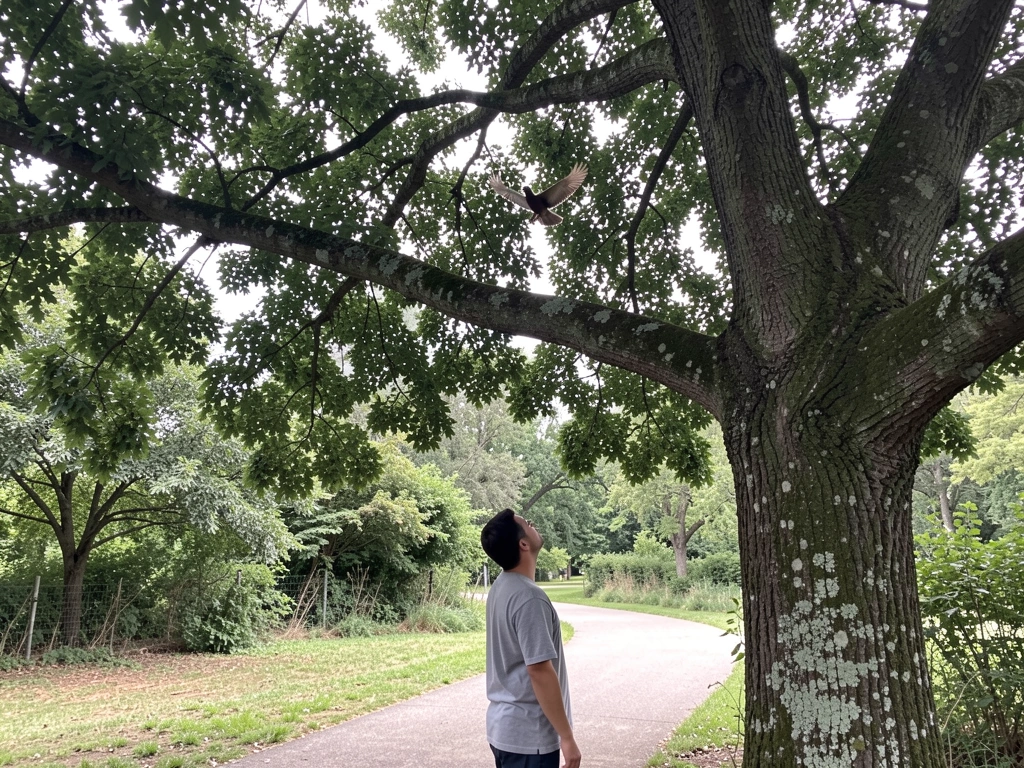
You can usually figure out the situation in under two minutes with a calm, systematic look. Don't rush toward the tree. Stay where you are and observe first.
- Watch the flight pattern for 60 seconds. Is it a straight line (passing through), a wide lazy circle (hunting/scouting), or tight repeated passes over one spot (nesting protection)?
- Note whether the bird is vocalizing. Loud, repetitive alarm calls combined with flight above the tree almost always indicate a nest or perceived threat below.
- Look at the tree itself. Can you spot a nest from where you're standing? Check branch forks, dense foliage clusters, or cavities in the trunk. You don't need to get close.
- Count how many birds are involved. Two birds working in relay, one calling while the other flies, is what the U.S. Fish & Wildlife Service calls 'protective pair' behavior, a near-certain sign of active nesting nearby.
- Check whether the bird reacts to you. Take one step toward the tree. If the bird immediately drops lower, calls louder, or angles toward you, it's protecting something. If it ignores you, it's more likely hunting or just passing.
Five checks, two minutes, and you'll have a clear enough picture to know what to do next.
How to respond based on what the bird is doing
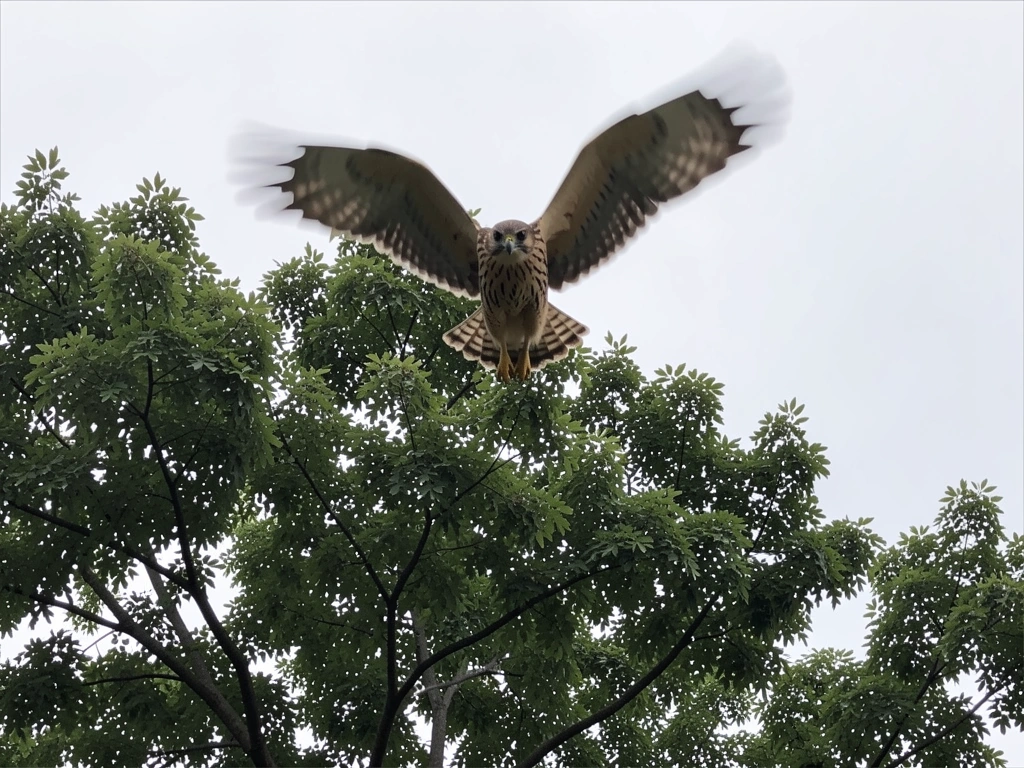
Different behaviors call for different responses. Here's how to handle each one.
Calm circling (hunting or scouting)
Enjoy it. A hawk circling slowly above a tree is doing exactly what it evolved to do. No action needed. Keep your distance from the base of the tree so you don't spook prey the bird is tracking, and let it work. If you have small pets outside, bring them in as a precaution (more on that below), but the bird itself is not a problem.
Repeated passes (nesting behavior)
Back away from the tree slowly and calmly. According to NOAA's wildlife viewing guidelines, if an animal starts to stare, fidget, or move toward you, that's a clear signal you're too close and need to give it more space. The same principle applies here. Give the bird a 10 to 15 foot buffer from the nest tree minimum, more if it keeps calling. Don't try to approach the nest to look at it, even out of curiosity. The stress you cause can lead parents to abandon eggs or chicks.
Frantic or erratic flying (escape or distress)
Disorganized, chaotic flying that doesn't follow a clear pattern, especially if the bird keeps hitting or bouncing off the tree canopy or nearby structures, usually means something is wrong. If you’re dealing with repeated circling during the day, it might be a sign the bird is bored with flying and is looking for something it wants to land on bird is bored of flying. The bird may be injured, disoriented by artificial light (especially at night), or fleeing a predator you haven't spotted. Watch for a minute to see if it settles. If it doesn't, or if it falls, skip ahead to the section on calling a wildlife expert.
Landing and perching in the tree
If the bird lands calmly and stays put, it has accomplished whatever it was doing above the tree. It's roosting, resting, or possibly feeding in the canopy. Give it space and let it be. If it's a species you want to observe, move slowly, stay low, and avoid making sudden sounds.
Keeping people and pets safe near the tree
Most birds flying above a tree pose zero direct risk to adults. The main exceptions are large raptors (hawks, owls) near small animals, and nesting songbirds in active defensive mode. Here's how to stay safe in both cases.
- Small pets outdoors: If you see a hawk or owl circling above a tree near where your small dog or cat is playing, bring the pet inside or stay close and supervise actively. Raptors rarely target animals near a standing adult human, but a small pet alone is a different story.
- Kids playing near the tree: If a bird is in active nesting defense mode (dive-bombing, loud calling), tell kids to stay away from the base of the tree until nesting season is over, typically 4 to 6 weeks per clutch. It's temporary.
- Yard work near the tree: If you need to mow, prune, or work near a tree with an active nest, try to do it during the cooler parts of early morning when birds are less active, move slowly, and wear a hat. A hat dramatically reduces the impact of any dive-bombing behavior.
- Don't try to remove or relocate a nest yourself: In the U.S., most wild bird nests are protected under the Migratory Bird Treaty Act while active. Disturbing or removing them without a permit is illegal.
Safe ways to encourage the bird to move on
If the bird's presence near the tree is creating a genuine problem and you want it to relocate without harming it, there are a few practical, humane approaches worth knowing.
Reduce what's attracting it
Birds don't circle a tree for no reason. If it's a raptor, something edible is nearby, possibly rodents, insects, or smaller birds at a feeder. Reducing those attractants (sealing compost bins, moving bird feeders temporarily, keeping the ground beneath the tree clear of seed debris) is the most effective long-term deterrent.
Adjust outdoor lighting at night
If you're seeing a bird circling above the tree at night or in the early morning hours during spring or fall, artificial light is likely playing a role. The Audubon Society's Lights Out Program has documented that building and yard lighting throws migrating birds off their routes, causing energy-wasting circling and disoriented calling before they finally land or move on. The U.S. Fish & Wildlife Service recommends turning off unnecessary exterior lights during spring and fall migration, and shielding or redirecting lights that must stay on. This one change can make a meaningful difference.
Use quiet, passive deterrents
Reflective tape hung loosely in the tree, or strips of mylar ribbon tied to outer branches, can gently discourage a bird from repeatedly circling or dive-bombing near that spot. These work by creating unpredictable light movement. Avoid ultrasonic devices or sprinklers aimed at the tree if there's an active nest present, as these cause unnecessary stress to nesting birds and often don't work consistently anyway.
Give it time
If the bird is nesting, the fastest resolution is patience. Nesting cycles for most common backyard birds run 4 to 6 weeks from egg-laying to fledging. After that, the adults and young move on naturally, and the behavior stops. Trying to force a faster resolution almost always makes things worse, not better.
When to call a wildlife expert
Most of the time, a bird flying above a tree is not an emergency and doesn't need professional involvement. But there are clear situations where calling a local wildlife rehabilitator or animal control is the right move.
| Situation | What you'll see | What to do |
|---|---|---|
| Injured bird | Bird falls from above the tree, can't sustain flight, drags a wing, or sits motionless on the ground | Call a licensed wildlife rehabilitator. Don't try to handle the bird with bare hands. |
| Trapped or tangled bird | Bird is caught in netting, wire, or debris near or in the tree and cannot free itself | Call wildlife control or a rehabilitator immediately. Do not pull at the bird yourself. |
| Aggressive nesting behavior escalating | Bird is making contact with people repeatedly, children or elderly adults are being struck, or the behavior is intensifying daily | Contact your local animal control or state wildlife agency for guidance. Removal of an active nest requires a permit in most U.S. states. |
| Disoriented or circling bird at night (repeated) | A bird circles the same tree nightly, calling repeatedly, and doesn't leave by dawn | Turn off outdoor lights first. If the behavior persists more than two nights, contact a local Audubon chapter or wildlife rehabilitator, as the bird may be injured or ill. |
| Unknown species behaving unusually | You don't recognize the bird and it's behaving in a way that seems aggressive or dangerous | Photograph it from a safe distance and contact your state wildlife agency or a local birding group for identification before taking any action. |
Finding a licensed wildlife rehabilitator in the U.S. is straightforward: the National Wildlife Rehabilitators Association (NWRA) and the National Wildlife Federation both maintain searchable directories. Your state's fish and wildlife agency is also a reliable first call.
The bottom line is this: a bird flying above a tree is almost always doing something completely normal. You might also be wondering bird is flying above a tree versus hovering nearby, since motion patterns can help you choose the most appropriate response. You might also be wondering which bird can fly over Mount Everest, since extreme altitude changes how birds navigate and sustain flight. If you notice a bird with a white tail when flying, that field mark can help you narrow down the species and choose the most appropriate response bird with white tail when flying. Your job is to read the behavior correctly, give it space, remove whatever might be drawing it somewhere it shouldn't be, and call in help only when the situation is genuinely beyond DIY. Most of the time, a little patience and a calm observation is all that's needed.
FAQ
I can't tell what kind of bird it is. How should I decide what to do when the bird is flying above the tree?
If the bird is steadily circling but you cannot identify whether it is a raptor or a songbird, use behavior and timing instead of species guesswork. Slow, high circling usually means hunting or scanning, while repeated, low, canopy-level passes with short pauses often suggests nesting territory. Keep your distance and avoid sudden movements either way, then reassess after about one minute of observation.
What if the bird is flying above the tree at dawn, dusk, or at night, and I suspect it might be migration-related?
During early spring and late fall, the same “circling above the tree” behavior can also be migration-related or influenced by lighting. If you notice it more strongly in the dark, at dawn, or after lights have been turned on nearby, try reducing exterior light first (turn off what you do not need, shield what must stay on). If the bird remains frantic despite light changes, then look for injury or disorientation.
The bird keeps calling from above the tree. Does that mean I should do something right now?
If it is actively calling from above the tree, do not treat it as a guaranteed sign of danger. Persistent begging or alarm calls can mean nesting nearby, but “alarm” is usually about protecting the nest, not about you. The practical rule is distance, no approach, and staying calm, especially if you see repeated flights to the same nearby branches.
If I have pets outside, when exactly should I bring them in, and what precautions matter most?
A simple way to reduce risk to small animals is timing and containment, not chasing. Bring pets indoors before you notice defensive behavior (darting near the canopy, dive-bombing, or frantic low passes). For cats and small dogs, keep them indoors with windows closed during peak nesting weeks, and if you must go outside, keep pets on leash and stay well back from the tree base.
Should I act immediately, or is it better to wait and watch for a couple minutes?
Wait before taking action if the bird looks stable or repeatedly lands in the same area, because those patterns usually indicate normal hunting, roosting, or nesting. If it is erratic and you see it hit the canopy, stumble, or drop to the ground, that is when you should switch from observing to safety steps and consider contacting a wildlife rehabilitator promptly.
How do I handle it if the bird seems to be reacting to me, following my movement near the tree?
Leaving the area is often more helpful than changing tactics. If you are too close, the bird may circle more due to perceived intrusion. Back away slowly, keep visual contact from farther out if possible, then stop following the bird’s movement around the property.
What should I do if the bird hits the tree or seems unable to fly normally?
If you find feathers on the ground or you hear repeated distressed calls with the bird appearing unable to fly normally, treat it as potentially injured or disoriented. Move people and pets away, avoid handling it, and contact a licensed wildlife rehabilitator or animal control for guidance. Do not attempt to “rescue” by grabbing it unless a professional tells you to.
Can I remove the nest tree features (like reflective tape, branches, or debris) while nesting might be happening?
Avoid doing any nest disruption even if you think it is “small” or “maybe abandoned.” Some birds will return quickly after you stop watching, and disturbance can reduce survival chances for eggs or chicks. If you must remove hazards later (for example, after the nesting period), do it when there is no active nesting evidence and follow local guidance.
Are reflective tape, mylar ribbons, or other deterrents safe if there is an active nest in the tree?
If a bird is nesting, deterrents that create consistent stress can backfire. The safer choice is light management and distance, and using gentle, visual deterrents only when there is clear evidence the bird is repeatedly circling one spot, not when it is actively feeding chicks. If you suspect an active nest, avoid loud devices and avoid targeting it with any sprays or noises.
If the bird is causing a real problem, can I relocate it myself, or what is the humane alternative?
Do not relocate birds yourself, even if you believe it is causing a nuisance. Physical handling or forced relocation can injure birds and increase abandonment risk. If relocation without harm is the goal, use prevention steps like removing attractants (temporarily taking down feeders) and addressing lighting, then call a wildlife professional if the behavior continues or escalates.
How can I tell whether the bird is actually nesting versus just hunting near the tree?
Yes, but only for evidence-based cues. If you consistently see the same canopy area being approached and defended, or the bird makes repeated short trips to the tree at regular intervals, that is stronger nesting evidence than a single moment of hovering. If you cannot confirm, rely on distance and calm observation rather than trying to “check the nest.”
What if the bird keeps circling the tree for weeks, does that change what I should do?
If the behavior persists beyond the typical nesting window (around 4 to 6 weeks from egg-laying to fledging for many backyard species), or if you see the same spot being revisited year after year with no obvious progress, that suggests a different cause like recurring food sources or repeated light effects. At that point, focus on attractants and lighting, and if it is still escalating, contact a local wildlife expert for tailored guidance.
Next Articles
Which Bird Can Fly Above the Clouds? Top High Soarers
Find which birds soar highest, from eagles and condors to albatrosses, plus tips to spot them above local cloud height.

Which Bird Can Fly Over Mount Everest? The Definitive Answer
Definitive answer on which birds can fly at or above Everest altitude, with how to verify high-altitude records.
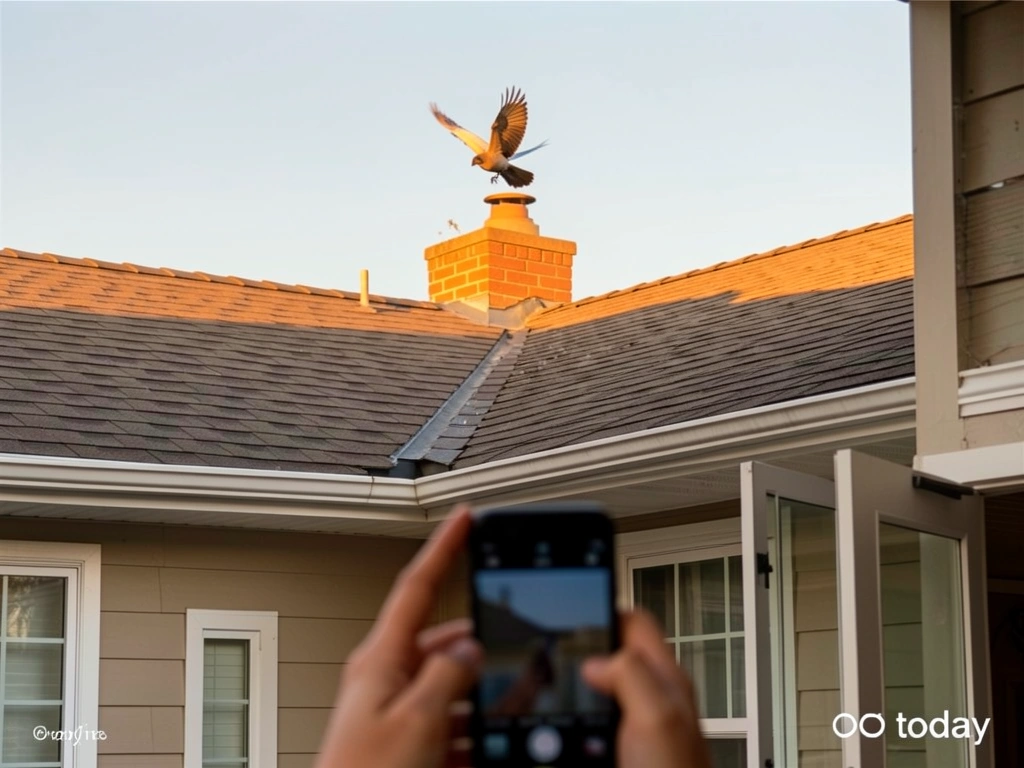
The Bird Is Flying Above the House: What to Do Today
Step-by-step actions to deter a bird flying above your house, identify causes, and handle nests safely without harm.