
You can't grow wings and flap yourself into the sky, but you can learn exactly how birds do it, and then build real skills that replicate the principles behind bird flight through gliding, paragliding, soaring, and targeted body training. That's not a consolation prize. Understanding bird flight biomechanics is genuinely the fastest route to becoming a competent glider or paraglider pilot, because every skill those sports demand maps directly onto what birds actually do in the air. If you want that same lift-and-glide outcome in a human-friendly way, the next step is mapping bird flight principles to paragliding and soaring so you can experience bird flying high you know how i feel safely.
Learn to Fly Like a Bird: Biomechanics and Safe Training
Marcus Chen
9 Jun 2026
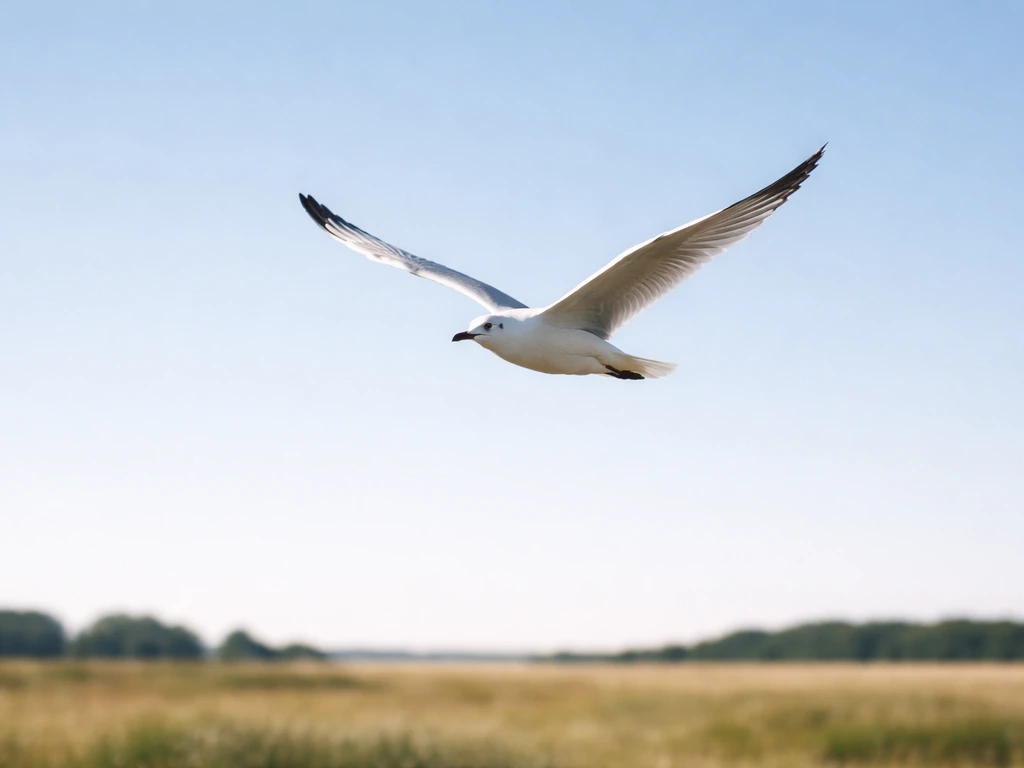
Bird flight fundamentals: lift, thrust, and control
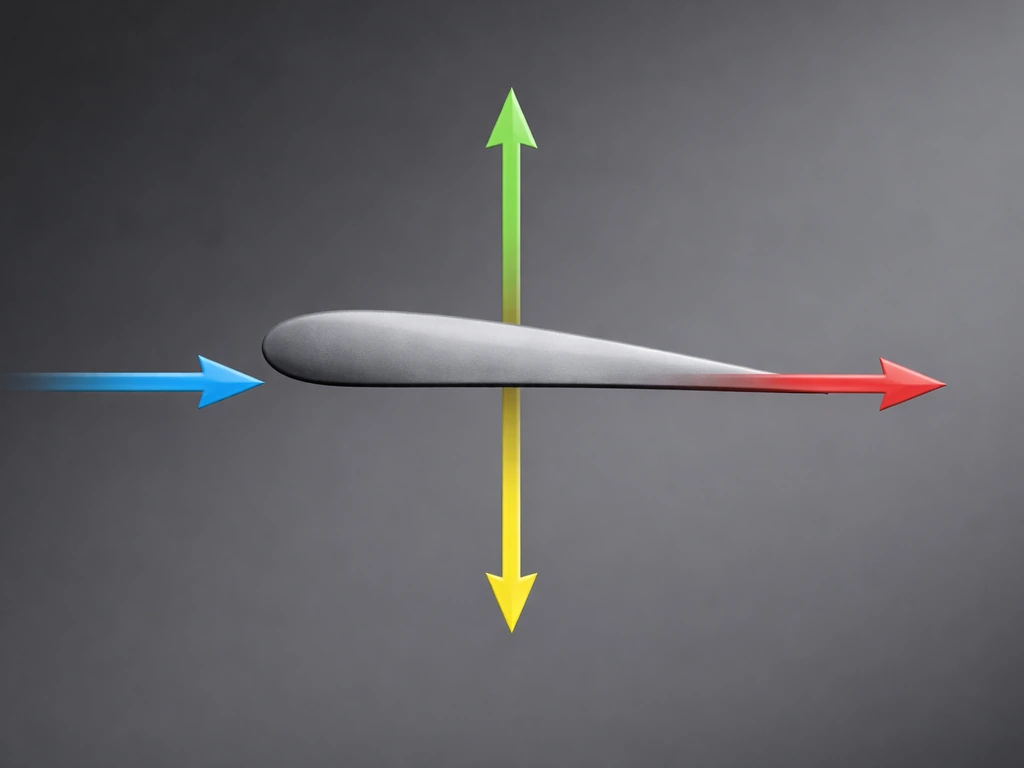
Every flying animal or machine is governed by four forces: lift, weight, thrust, and drag. If your goal is how can i fly like a bird, start by learning the same lift, thrust, weight, and drag relationships that make gliding and paragliding possible. Lift acts perpendicular to the direction of travel and pushes the bird upward. Weight (gravity) pulls it down. Thrust moves it forward through the air. Drag opposes that forward motion. In straight, level flight, lift exactly balances weight and thrust overcomes drag. That's the whole game.
Lift isn't magic, it's a pressure difference. A bird's wing is an airfoil: curved on top, flatter below, and angled slightly into the oncoming air. That angle is called the angle of attack. As the angle of attack increases, the wing generates more lift, but it also creates more drag, which means the bird needs more thrust to maintain speed. Push the angle too far and the smooth airflow over the top of the wing breaks apart, that's a stall, and lift collapses almost instantly. Every bird, hang glider pilot, and paraglider on the planet is managing this relationship constantly, even if they don't think of it in those terms.
Control in bird flight breaks down into three axes: pitch (nose up or down), roll (one wing dips), and yaw (nose swings left or right). Birds manage all three by morphing their wings, changing span, camber, sweep, and the angle of individual feathers. When a bird banks into a turn, it tilts its lift vector sideways, which reduces the vertical component holding it up, so it either descends or pulls up slightly to compensate. This is exactly the same physics a paraglider pilot manages with brake toggles.
Why humans can't flap-fly like birds (and what you can emulate)
Here's the honest physics: a human weighing 70 kg would need roughly 3 to 4 square meters of wing area moving at biologically impossible speeds to generate enough lift, and the pectoral muscles required would need to account for something like 30 percent of total body mass, the way they do in pigeons and doves. Our chest muscles are nowhere close, and our skeleton isn't built to withstand the compression forces that bird coracoids handle during every downstroke. Research into physiological, aerodynamic, and geometric constraints on flapping flight makes this clear: sustained flapping flight isn't a matter of trying harder, it requires a completely different body plan.
What you can emulate is every principle that makes bird flight work. Birds spend a surprising portion of their flight time not flapping at all. Hawks, albatrosses, swifts, and gulls glide and soar for extended periods by managing lift, drag, and air currents precisely. Research on common swifts shows they modulate wing shape continuously across flight speeds to optimize lift-to-drag ratios. That skill, reading air, shaping your profile, managing angle of attack, using rising columns of air, is entirely teachable to humans through paragliding, hang gliding, and speed flying. You can think of the result as learning the same spirit of “fly like a bird” through grounded, human-powered training like gliding and soaring.
- Flapping powered flight: physically impossible for humans without radical anatomical changes
- Gliding and soaring: fully achievable using bird-identical aerodynamic principles
- Turning and banking: directly transferable to paraglider and hang glider handling
- Stall avoidance and angle-of-attack management: taught explicitly in every certified flight training program
- Reading thermals and air currents: a skill birds use by instinct that humans can learn with practice
Anatomy and mechanics: wings, joints, feathers, and muscle roles
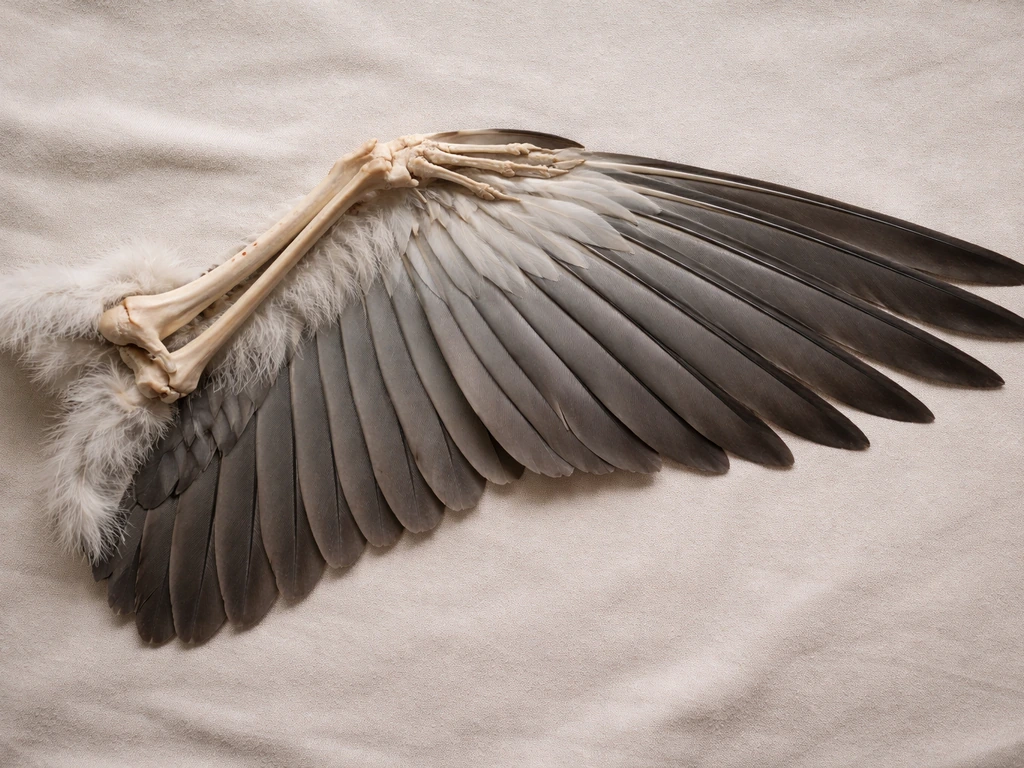
A bird's wing is structurally your arm, just heavily modified. The humerus (upper arm), radius and ulna (forearm), carpus and metacarpus (wrist and hand), and fused digits all map directly onto human anatomy. The thumb becomes the alula, a small tuft of feathers near the leading edge that acts like a leading-edge slat on a commercial aircraft, it delays stall at high angles of attack and is critically important during slow-speed landing approaches. Watching a pigeon land and seeing the alula pop up is one of those moments where biomechanics becomes instantly visible.
The primary flight feathers (the long outer feathers attached to the hand region) are individually mobile and controllable. They generate most of the thrust during flapping and also create wingtip slots, gaps between the separated primaries that reduce induced drag in a way that closely mimics aircraft winglets. Secondary feathers, clustered along the forearm region, form the main lifting surface of the wing and hold the airfoil shape stable. During a 3D skeletal kinematic study of ascending flapping flight, researchers tracked the entire wing chain from sternum and coracoids through humerus, forearm, and hand, confirming that each segment contributes distinct motion at different phases of the wingbeat cycle.
The power for all of this comes primarily from the pectoralis muscle (the downstroke engine) and the supracoracoideus (which pulls the wing back up via a pulley-like tendon over the shoulder). Both attach to the keel of the sternum. Aerodynamic force is generated mostly during the downstroke, though the upstroke also contributes lift in many species. The pectoral girdle (scapula, coracoid, and furcula, or wishbone) absorbs and transmits enormous compressive forces during every wingbeat. Nothing in human anatomy performs this role equivalently, which is the core structural reason flapping flight isn't an option for us.
Wing shape is also strategy. Studies comparing aerodynamic properties of wings across bird species show that high-aspect-ratio wings (long and narrow, like an albatross) achieve superior lift-to-drag ratios for soaring, while low-aspect-ratio wings (short and broad, like a hawk's) allow slow, maneuverable flight. Gulls, interestingly, can morph their wing shape mid-glide to shift the aerodynamic center relative to their center of gravity, tuning pitch stability on the fly. That's a level of real-time aerodynamic adjustment that even modern aircraft struggle to replicate.
From observation to practice: a progressive, low-risk training path
The best starting point isn't equipment, it's observation. Spend time watching birds in different flight phases and start naming what you see in mechanical terms. When a red-tailed hawk circles in a thermal, it's using rising air to gain altitude for free, spreading its slotted wingtips to minimize induced drag, and banking by dropping one wing. When a gull lands into a headwind, it increases its angle of attack dramatically, deploys its alula, and uses drag to brake. This is not birdwatching as a hobby, it's flight training by studying the best pilots in the world. A good way to start is to learn the flying bird step by step progression through observation, controlled glides, and progressively harder maneuvers.
- Observation phase (weeks 1 to 2): Watch birds actively, focusing on takeoff, gliding, banking, and landing. Note wing position changes, speed differences, and how birds use wind and thermals. Keep a short log of what you observe.
- Aerodynamics study (weeks 2 to 4): Read a beginner aeronautics guide (NASA's free resources are excellent) to attach terminology to what you've observed. Learn what angle of attack, lift-to-drag ratio, stall, and load factor mean. This is the conceptual foundation for everything else.
- Ground-based body preparation (weeks 2 onward, ongoing): Build shoulder girdle mobility and stability, scapular control, thoracic extension, and core integration. These are the human analogs of the bird's pectoral girdle and wing articulation. Exercises like prone Y/T/W raises, wall slides, and thoracic rotations train the same movement quality birds use to morph their wings.
- Kite flying and basic aerodynamics feel (weeks 3 to 6): A high-performance two-line or four-line kite gives you direct, physical feedback on lift, drag, angle of attack, and control inputs. It's cheap, low-risk, and genuinely teaches you how wings behave. A four-line kite adds pitch and power-zone management that directly mirrors paraglider brake inputs.
- Tandem paraglider flight (as early as week 4 or 5): Book a tandem flight with a certified instructor before committing to solo training. This gives you a real soaring experience and lets you feel exactly what glide angle, turn inputs, and thermal lift feel like from inside a gliding system. Many people find this moment clarifies their commitment.
- Introductory paragliding or hang gliding course (weeks 6 onward): Enroll in a USHPA-certified school. You'll likely receive a beginner (P1) rating within the first training days, and ground handling on a gentle hill is the first skill taught. USHPA training programs follow a structured progression from ground handling and canopy inflation to short flights on training hills before any extended soaring.
- Progressive solo flying (months 2 onward): Under instructor supervision, extend flight duration, practice active flying (reacting to turbulence), and begin thermaling. Every skill in this phase has a direct bird-flight analog: managing angle of attack, banking, reading air, maintaining appropriate speed.
Gliding vs flapping: how bird behaviors map to human activities
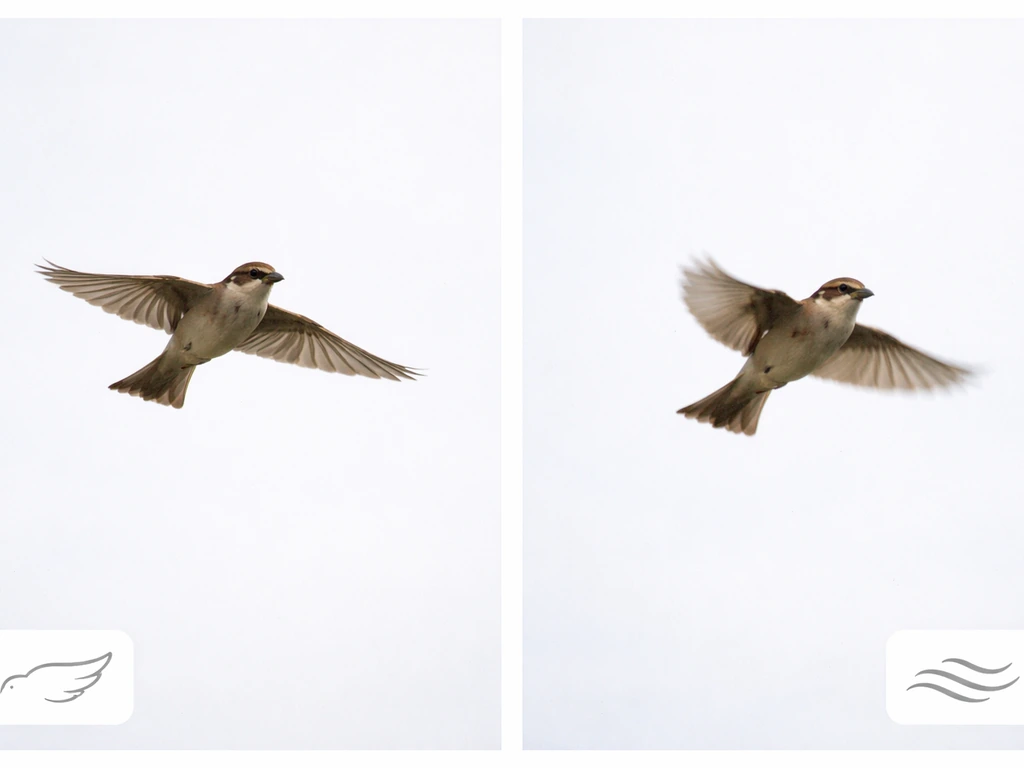
Not all bird flight is the same, and different flight behaviors translate into different human activities. Understanding this helps you choose where to invest your time and money based on what kind of flying actually appeals to you.
| Bird flight behavior | Key mechanics | Human equivalent activity | Skill overlap |
|---|---|---|---|
| Thermal soaring (hawks, eagles, vultures) | Circling in rising air, high lift-to-drag ratio, slotted wingtips | Paragliding, hang gliding | Reading thermals, banking, angle-of-attack management |
| Dynamic soaring (albatross) | Exploiting wind gradients near wave surfaces | Speed riding, speed flying | Energy management, low-altitude precision |
| Powered flapping (pigeons, ducks) | Continuous thrust from downstroke, high metabolic cost | No human equivalent possible | N/A |
| Glide and flap bounding (finches, woodpeckers) | Alternating flap bursts with folded-wing glide to save energy | Wing suit gliding (body extended vs tucked) | Body position control, profile management |
| Stall landing (most birds) | High angle of attack, alula deployed, drag braking | Paraglider landing flare | Brake timing, speed judgment, ground effect awareness |
Paragliding is the closest human analog to hawk-style thermal soaring. You are literally doing the same thing: circling in rising air, managing your glide angle, and covering distance using atmospheric energy rather than engine power. Once you’ve got the soaring basics down, practice in a structured way so your movements stay consistent, which is the human version of fly like a bird line dance steps. Hang gliding maps well to higher-speed, lower-angle gliding similar to swifts and falcons in fast, efficient cruise. Wingsuit skydiving, while involving freefall rather than true glide, mimics the body-horizontal, limb-spread posture that produces lift from the human silhouette, much like a flying squirrel's glide membrane.
One thing worth noting here: flap-bounding flight, where birds alternate brief flapping bursts with closed-wing glide phases, exists because it reduces energetic cost compared to continuous flapping. Research confirms this is a physiological and aerodynamic optimization, not a sign of effort variation. If you're curious about what that switching between active and passive phases feels like from a movement perspective, there's an interesting conversation to be had with how wingsuit pilots manage body tension through different phases of a flight, but that's well down the learning path from where you're starting. If you are wondering how does it feel to fly like a bird, the short answer is that it feels like controlled lift, subtle body positioning, and reading air more than forcing motion.
Common misconceptions worth dropping immediately
A few ideas circulate persistently about what flying like a bird requires, and most of them will slow you down if you hold onto them. If you are wondering what happened to fly like a bird, the key is understanding and practicing the specific flight mechanics humans can safely emulate.
- Bigger wings equal more flying ability: Wing size matters less than wing shape and efficiency. A short, broad wing can outperform a large, poorly shaped one in many conditions. Lift-to-drag ratio is the number that counts.
- Humans just need to flap harder or faster: Sustained flapping flight is ruled out by structural and energetic physics, not by effort. The muscle mass, skeletal geometry, and metabolic rate required simply don't exist in human anatomy.
- Flying is mostly about arm strength: Bird flight, and the human activities that emulate it, is primarily about body position, angle of attack, and air management. Upper body strength matters for ground handling equipment, not for the flight itself.
- It's only about leg strength for takeoff: Birds do use leg power for launch (aerodynamic force during early wingbeats supports most of the weight), but sustained flight has nothing to do with legs. Humans launching into paragliding runs use legs for the sprint, then body position takes over.
- Thermals and updrafts are advanced concepts: They're actually the first thing you need to understand, because they're the free energy source that makes gliding flight sustainable. Every soaring bird uses them constantly.
Safety, coaching, equipment, and when to stop
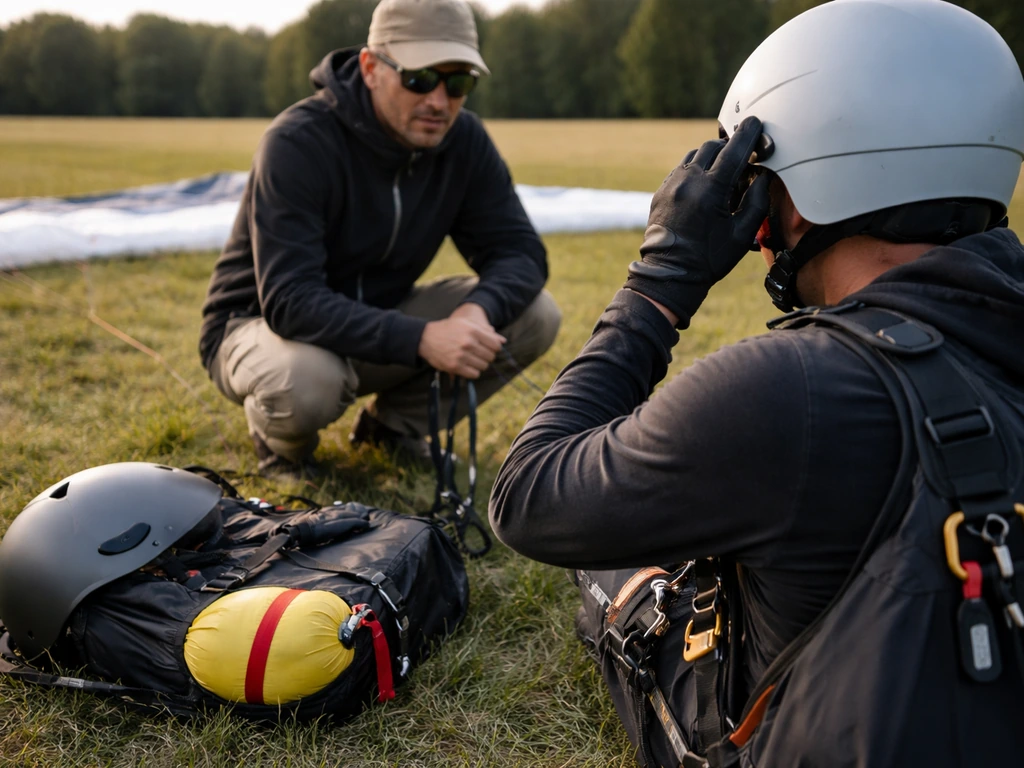
The progression outlined above is deliberately slow and supervised for a reason: the physics that make gliding flight beautiful are the same physics that make errors consequential. Stall speed increases with load factor (tighter turns = higher stall speed), turbulence can collapse a paraglider wing asymmetrically, and site-specific hazards like rotor turbulence, power lines, and temperature inversions require trained judgment. None of this should deter you, but it should keep you inside a structured training program until your skills genuinely match your ambitions.
For paragliding, train only with a USHPA-certified school and instructor. A paragliding school scheduling guide also notes that typical training often starts with 2 consecutive days of training, beginning with intro and ground handling before moving toward canopy control, depending on weather blank" rel="noopener noreferrer">Paragliding.us. blank" rel="noopener noreferrer">USHPA apprentice instructors are required to complete a minimum of 40 supervised hours alongside a certified instructor before teaching independently, and all instructors must hold current CPR and first aid certification. That framework exists because free flight training genuinely requires expert oversight. Attempting to shortcut it by self-teaching from videos is how people get seriously hurt.
Equipment at the beginner level should always be selected with instructor guidance. A beginner-rated paraglider is specifically designed for passive safety and gentle handling rather than performance, and flying one that's correctly sized for your weight is non-negotiable. Helmet, reserve parachute, and harness with back protection are minimum kit. Don't let anyone talk you into intermediate or advanced equipment before you have the hours to manage it.
Measurable progress cues to watch for as you advance: smooth canopy inflation without surges during ground handling, consistent brake input timing during landing flares, ability to maintain coordinated turns without skidding or slipping, and comfort reading wind indicators and cloud formation before deciding to fly. If any of these feel shaky, you haven't plateaued, you've identified exactly what to practice next.
When to pause and get help
- You've had any unplanned ground contact (even minor) during flight
- You find yourself rationalizing skipping safety checks because conditions 'look fine'
- Your equipment is more than 10 years old without a recent inspection
- You're flying sites that are more demanding than your current rating level
- You feel anxious or uncertain before flights more often than calm and prepared
The birds you're learning from have had roughly 150 million years of evolutionary pressure refining their flight systems. Their neural processing for air sensing, wing morphing, and stall avoidance is wired in at a level we simply can't match reflexively. What we can do is build the understanding, the body preparation, the equipment proficiency, and the situational awareness that gets us as close to that freedom as human biology allows. That turns out to be remarkably close, and the path there starts today, with watching a hawk work a thermal and asking exactly the right question: how is it doing that?
FAQ
Can I learn to fly like a bird using only information and practice at home, without paragliding or hang gliding?
Yes, but only up to the point where you can safely use lift-and-angle-of-attack ideas without experimenting in the air. Replace “learning to fly like a bird” with “learning how birds manage angle of attack, stall margins, and turns” via ground training, instructor drills, and observation. Avoid trying to recreate flapping or wing morphing patterns yourself, because humans cannot produce the same lift and structural loads.
What should I master first if my goal is bird-like thermal soaring in a paraglider?
Start by prioritizing coordinated control, not height. You want the basics of pitch stability (smooth steering), roll consistency (no one-sided wing inputs), and yaw coordination (no skidding) before attempting thermal-style circling. If you notice asymmetry, such as one brake working sooner or landings that feel “late,” do not increase complexity, repeat the same drill set with an instructor until it is automatic.
What if turbulence makes the wing behave unpredictably, can I correct it like a bird correcting with feathers?
If a glider wing collapses asymmetrically, you do not “fix it with strength.” The correct path is to prevent the conditions that trigger it, then use the instructor-taught recovery actions. In practice, that means respecting turbulence thresholds for your skill level, managing airspeed through proper inputs, and avoiding risky maneuvers when you cannot reliably predict the airflow.
How do I know whether the wind is helping me soar or making the conditions unsafe?
A big misconception is that higher wind automatically means better soaring. Strong or gusty wind can mean more rotor or more rapid changes in angle of attack, which increases the chance of unstable flight. The practical decision aid is to launch only when your school indicates conditions are within your training level, and if you cannot clearly read wind indicators and cloud behavior, you do not launch.
How can I avoid stalling while trying to fly with “birdlike” slow, precise control?
In terms of biomechanics, birds avoid the stall by continually managing angle of attack and maintaining airflow over the wing. In human training, that translates to smooth, consistent brake inputs, correct trim speed, and not forcing the canopy to bleed speed too quickly in turns. If you feel you must “yank” inputs, that is a sign you are approaching a speed or airflow regime you should not be in.
What are reliable ways to tell I am improving, beyond just “I feel more confident”?
Measure progress using what you can reproduce, not how exciting it feels. The cues in your article help, and you can add one more: after each flight, confirm whether you can repeat the same landing flare timing and outcome under similar wind, without compensating. If your takeoff and landing are drifting, your next practice should be consistency drills, not performance or bigger maneuvers.
Why does beginner-rated equipment matter so much if I already understand the physics?
No. Using intermediate or advanced gear too early breaks the safety assumptions that beginner equipment is designed around, like passive handling and predictable response. A practical rule is to treat equipment as part of your training plan, so you only upgrade when your instructor says your decision-making and control inputs are stable across varied ground handling and wind conditions.
Can I use bird-inspired “rules” from observation to make safer choices in paragliding?
Yes, but use it as an input for decisions, not a substitute for training. Birds change wing shape and position continuously, and they also have millennia of evolved stall avoidance. Humans need a trained recovery framework and site judgment. If you try to apply bird “rules” by yourself, you can misread airflow, especially near thermals, ridgelines, and obstacles.
How does bird-like banking translate into human practice when turns start to feel stressful?
Watch for coordination issues on the ground before thinking about air. If you cannot smoothly coordinate turns, keep centered without slipping, and maintain consistent control timing, you are not ready for more demanding maneuvers in thermals. That is the same logic as birds banking while still managing lift and balance, except your control inputs must be learned through structured repetition.
What site hazards should I ask my instructor about before my first training flights?
Yes, but your limitation is situational judgment, not strength or imagination. The article notes hazards like rotor turbulence, power lines, and temperature inversions, and those specifically change the airflow structure around you. Practical next step: before training flights, discuss site-specific hazard patterns with your instructor, then follow their go/no-go criteria rather than guessing based on how “calm” it looks from the ground.
Next Articles
Fly Like a Bird: What You Heard and What’s Real
Learn what it takes to fly like a bird with real aerodynamics and safe human training for lift, glide, and control.
How Can I Fly Like a Bird in Real Life? Steps
Learn bird-flight principles with safe training steps for gliding, posture, lift, and control so you can fly like a bird
Bird Flying High You Know How I Feel Lyrics: Find the Song
Find the exact song and artist for Bird Flying High You Know How I Feel lyrics, then learn the flight metaphor behind it