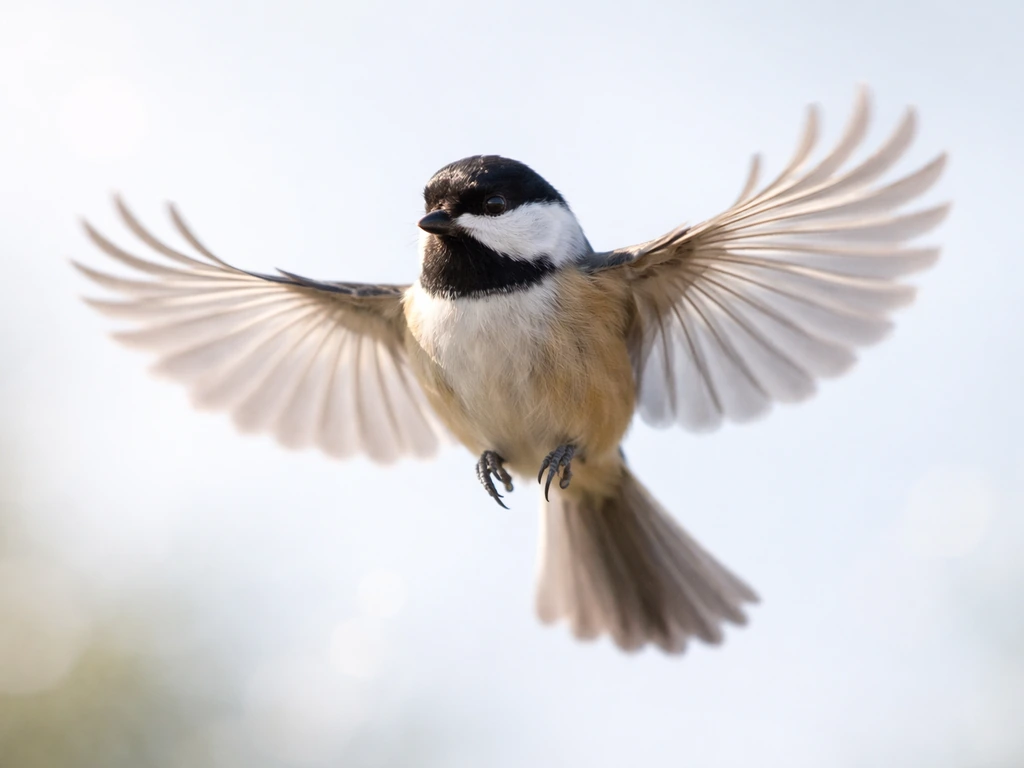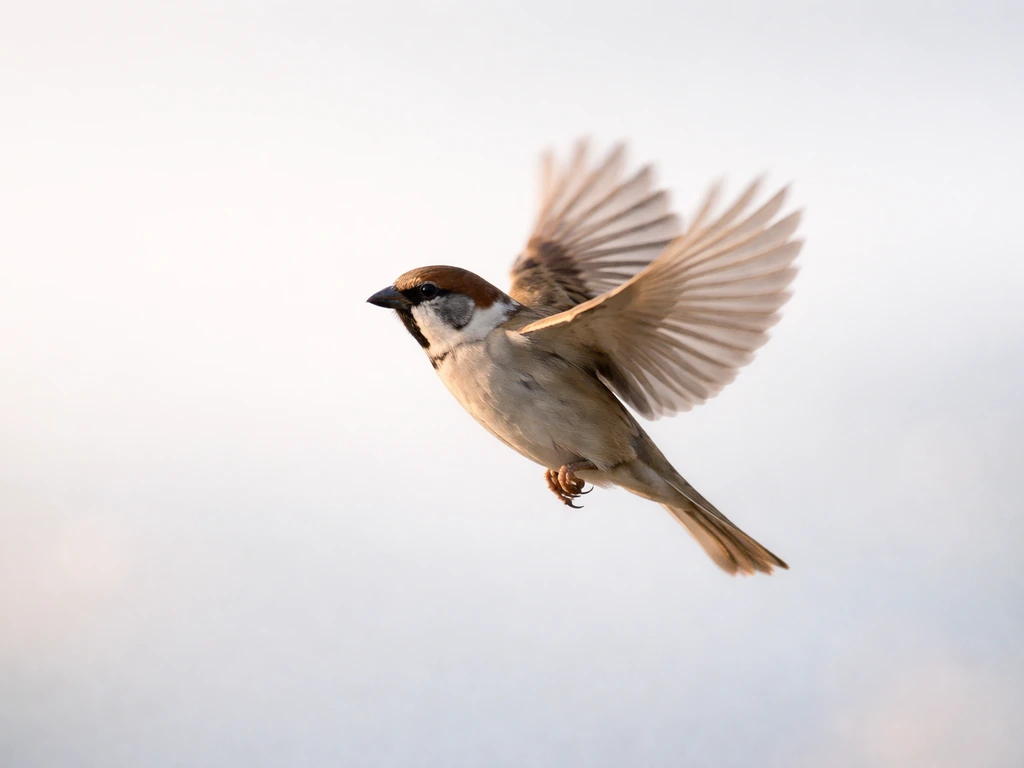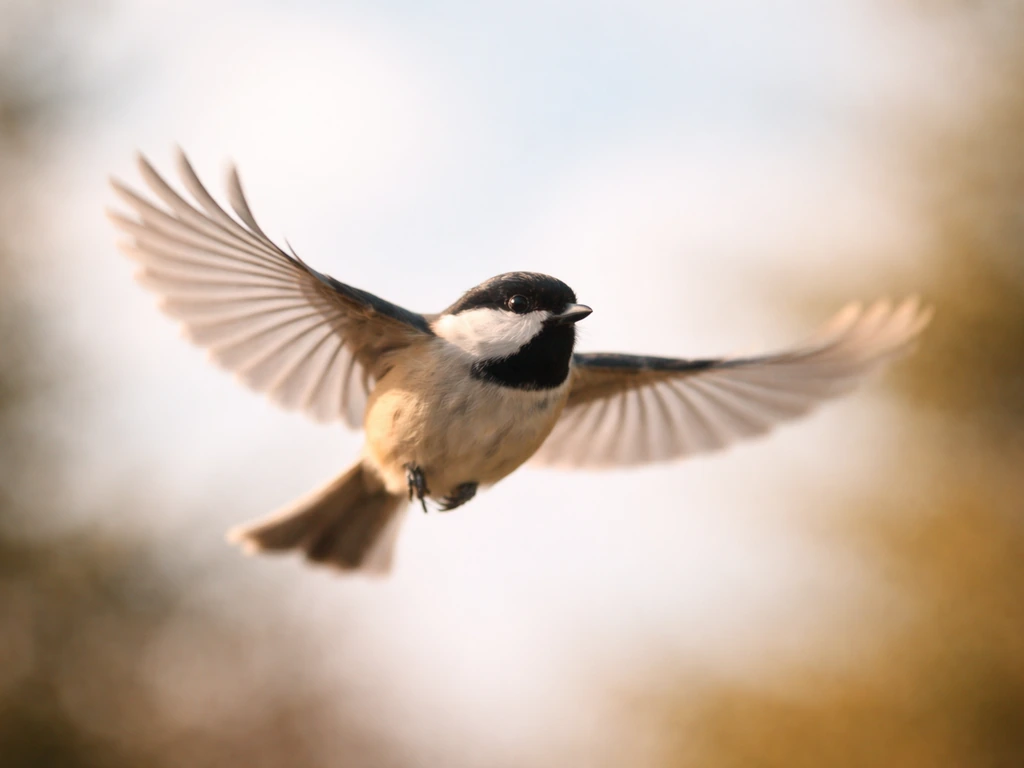
When a bird's takeoff looks painfully slow in slow-motion video, it's usually just physics doing its job. If you’re looking for a video of bird stuck in mid air, it’s usually a sign that the takeoff didn’t translate into forward lift or momentum. High-frame-rate playback stretches a fraction of a second into several visible seconds, making even a perfectly healthy, powerful bird look like it's hauling itself into the air with great effort.
Bird Taking Off Slow Motion: Causes and Field Checklist
Marcus Chen
18 Jun 2026
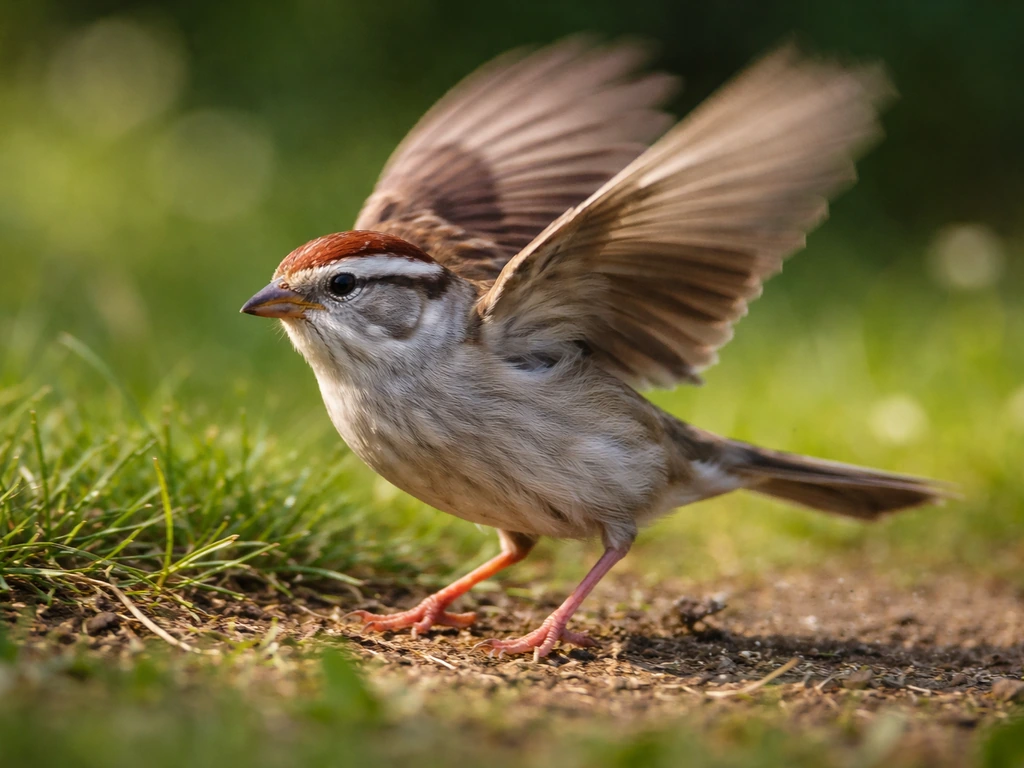
But sometimes the slowness is real: the bird is genuinely struggling, whether because of a weak downstroke, missing feathers, an injury, or the wrong environment. Telling those two things apart is the whole game, and you can do it with careful observation and a basic understanding of how birds actually launch themselves off the ground.
What 'bird taking off slow motion' usually means
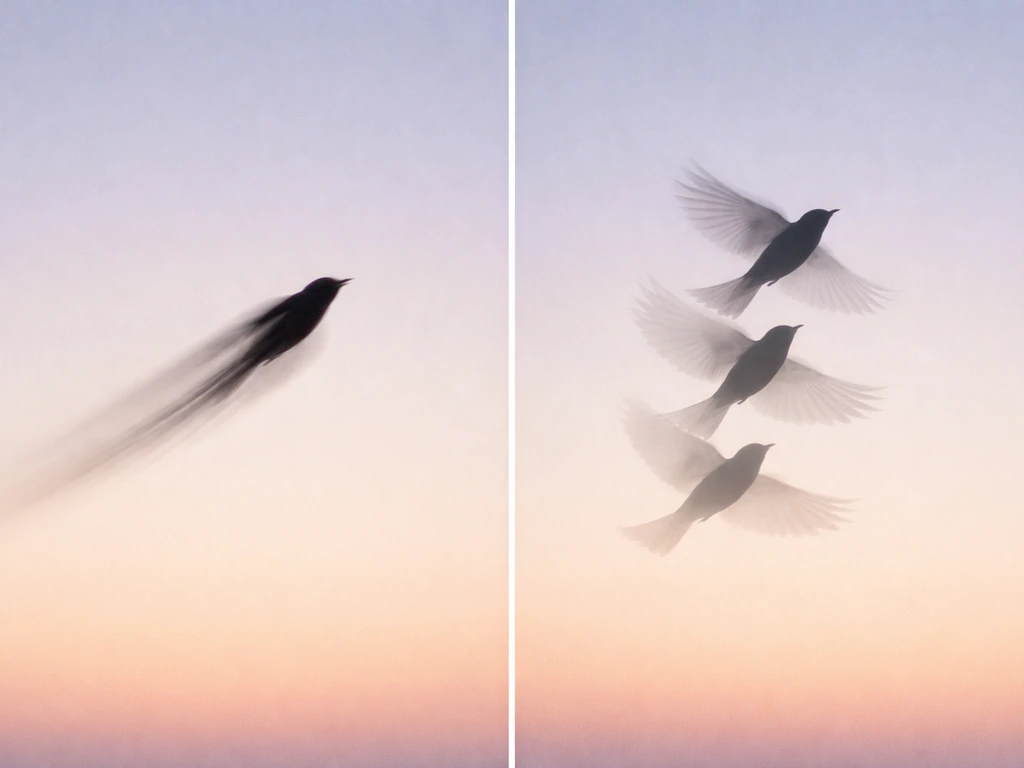
Most people searching this phrase are looking at footage and marveling at how labored the takeoff looks, or they've watched a bird in their yard struggle to get airborne and want to know if something is wrong. Both readings are valid, and they're worth separating from the start.
Slow-motion video works by capturing at a much higher frame rate than normal (think 240 or 960 frames per second) and then playing those frames back at the standard 24 or 30 fps. Every moment is stretched. A pigeon that actually leaves the ground in about 0. 3 seconds can fill 5 or 6 seconds of playback at high frame rates.
That's not a struggling bird; that's a camera doing exactly what it's designed to do. Shutter speed is a separate control: it determines how much motion blur appears in each frame, not how fast the action looks during playback. A fast shutter speed (say, 1/4000s) will freeze wing position crisply in each frame, making individual downstroke phases visible. A slower shutter speed smears the wing across the frame.
Neither setting changes what the bird's body is actually doing.
So the first question to ask yourself when watching slow-motion bird takeoff footage is: am I seeing slow motion that's purely a product of the playback speed, or does the bird actually look hesitant, incomplete, or asymmetrical even frame by frame? Slow mo bird flying footage often makes it hard to tell whether a takeoff delay is just playback or a real struggle, so check the bird frame by frame slow-motion. If the wings are extending fully, the body is rising cleanly, and the leg push is decisive, you're almost certainly watching normal takeoff biomechanics in beautiful detail. If the bird is lurching, favoring one wing, or barely clearing the ground across multiple attempts, that's worth investigating further.
Why takeoff looks the way it does (even in healthy birds)
Before jumping to conclusions about a struggling bird, it helps to know that takeoff is genuinely one of the most energetically demanding things a bird does. A 2024 eLife study confirmed that avian takeoff requires peak pectoralis muscle power output, more than cruising flight, because the bird has to generate aerodynamic force from a standing start with zero incoming airspeed. There's no running start helping most small birds.
Research on starlings and quail found that hindlimb push contributes 80 to 90 percent of initial takeoff velocity, meaning the leg jump happens first and the wings follow. In doves, researchers measured average takeoff speeds of roughly 2. 0 to 2. 7 meters per second, and wings don't engage until the body is already moving.
That brief moment between leg push and first downstroke is completely normal and can look like hesitation in slow motion.
In pigeons, the wing stroke-plane angle during takeoff starts steep (around negative 60 degrees) and shifts toward a flatter angle as speed builds across successive wingbeats. In slow motion, this means the first wingbeat looks dramatically different from the third or fourth, because it actually is. The bird is literally repurposing its wing geometry as it accelerates. Studies confirm that during the first wingbeat, aerodynamic lift from the downstroke drives forward acceleration, and even the upstroke contributes meaningful forward thrust (roughly a quarter of it in some species). This is why takeoff footage in slow motion looks more complex than cruising flight: the physics are actually more complex.
Common causes of a genuinely slow or hesitant takeoff
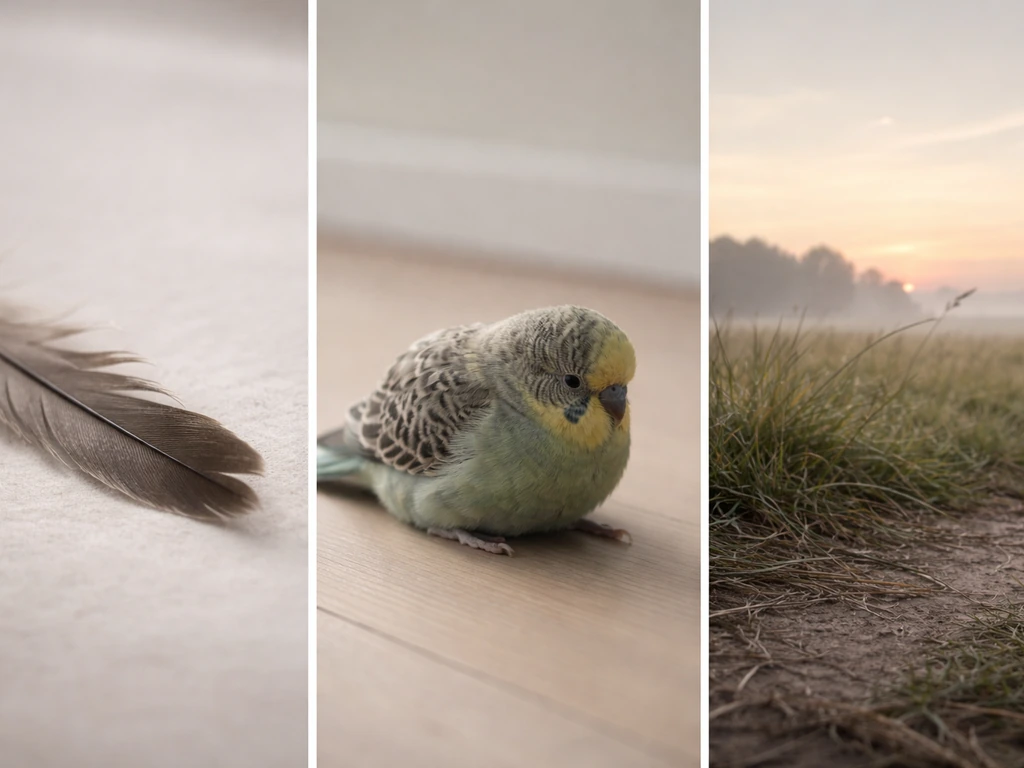
If you've ruled out playback effects and the bird really does seem to be struggling, there's a fairly short list of likely explanations. They fall into three buckets: biomechanics, physiology, and environment.
Wing loading and body size
Wing loading is the ratio of a bird's body mass to its total wing area. Birds with high wing loading (heavy bodies relative to wing size, like ducks, geese, and loons) need more runway and more wingbeats to generate sufficient lift. Watching a Canada goose take off looks slow even in real time because it genuinely is, compared to a sparrow. Geese use synergistic wing kinematics and enhanced aerodynamics to achieve stationary takeoff, but it still takes multiple powerful wingbeats. A bird that's recently put on mass (e.g., from overfeeding at a backyard feeder) may have temporarily increased its wing loading, making takeoff look more labored than usual.
Downstroke power and flapping mechanics
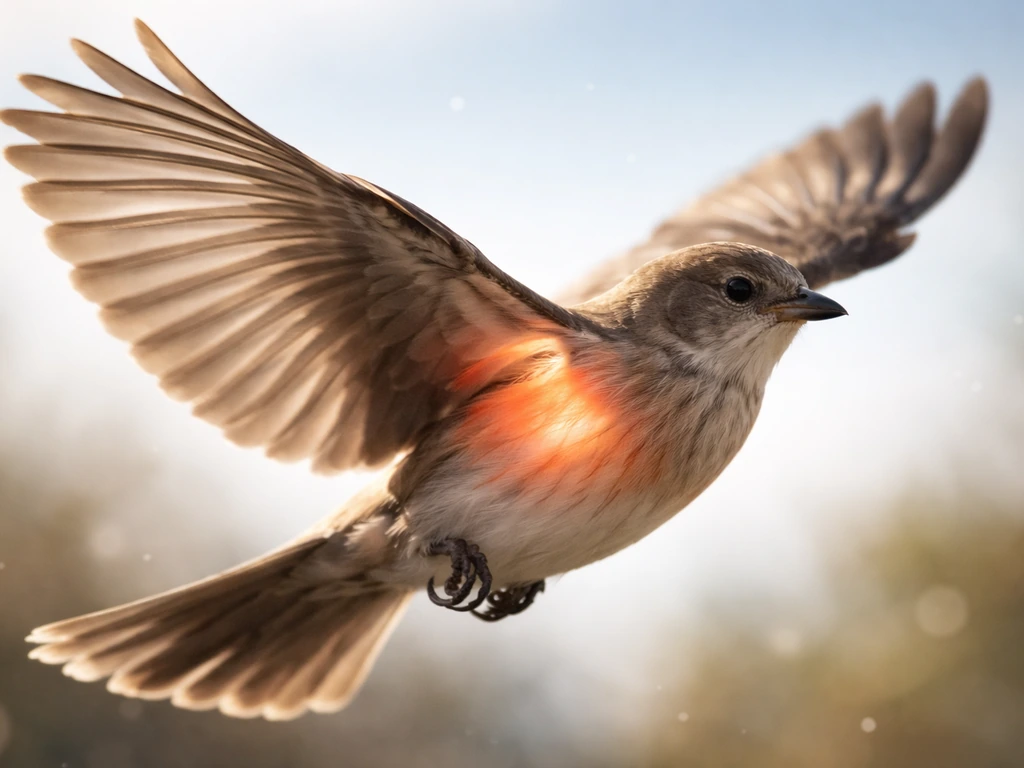
The downstroke is where most of the aerodynamic work happens. Peak pectoralis muscle activation drives the wing downward and forward, and research shows that even small deviations in angle of attack or wingbeat kinematics mid-downstroke significantly alter lift and power output. If the downstroke is shallow, abbreviated, or asymmetrical, the bird won't generate enough force to accelerate normally. In slow motion, this shows up as a wing that doesn't fully extend at the top of the stroke or doesn't complete a clean arc through the bottom. Compare the two wings: they should be mirror images of each other. Any visible difference is a red flag.
Body posture and weight shift
Healthy takeoff starts with the bird leaning forward and compressing its legs before the jump. If a bird looks upright or stiff before launch, the leg push will be weaker. Watch for the body tilt in the first few frames before the feet leave the ground. A bird that stays vertical or rocks backward is not set up for an efficient launch, and this often reflects pain in the legs or feet, or simple disorientation.
Biomechanics checklist: what to look for frame by frame
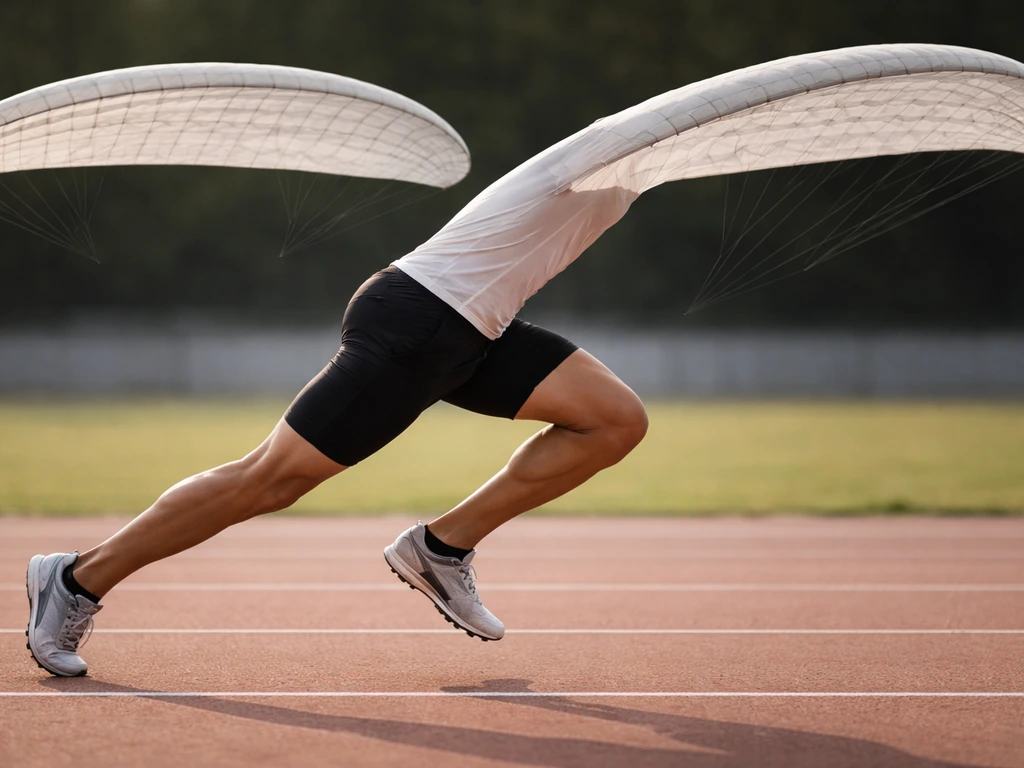
If you have slow-motion footage, here's a practical checklist to work through. You don't need specialist software; pausing and scrubbing through video on your phone is enough to catch most of these.
| What to check | Healthy sign | Possible problem sign |
|---|---|---|
| Wing extension at stroke top | Wings fully spread, primary feathers fanned | Partial extension, folded or tucked primaries |
| Stroke symmetry | Left and right wings mirror each other | One wing higher, lower, or slower than the other |
| Stroke-plane angle (first beat) | Steeply downward (roughly 60 degrees) | Flatter than expected, little downward power |
| Leg push before liftoff | Clear forward/upward lean and leg extension | No body lean, weak or absent leg push |
| Flapping frequency | Consistent rhythm across successive beats | Irregular timing, pauses between beats |
| Body trajectory | Smooth upward arc after liftoff | Level or declining trajectory after liftoff |
| Feather condition | Clean, aligned, no visible gaps | Missing feathers, oiled, or disheveled flight feathers |
Muscle and physiology factors
Even a structurally normal wing won't perform well if the muscles driving it are compromised. Here are the most common physiological reasons a bird's takeoff looks or is genuinely slow.
- Fatigue: A bird that has just flown a long distance or repeatedly flushed from the same spot may simply not have the muscle glycogen left for a powerful downstroke. Give it time before assuming injury.
- Molting: Active molt of primary flight feathers reduces wing area and disrupts airflow. Studies on European starlings showed that simulated molt reduced flight performance and body mass. A bird in heavy molt will have a slower, more effortful takeoff than the same bird in full plumage. This is temporary and normal.
- Feather contamination: Oil on feathers (from crude oil spills or even contaminated water) measurably reduces takeoff speed and angle. Research on shorebirds found feather oiling significantly degraded escape flight performance. Look for a greasy or matted appearance on the breast and wing feathers.
- Age: Juvenile birds are still developing pectoralis muscle mass and wing control. Their takeoffs are genuinely less coordinated than adults. Very old birds may lose some fast-twitch muscle fiber efficiency.
- Injury: A fracture, dislocation, or soft-tissue injury to the wing, shoulder, or keel can limit downstroke power immediately. Mercury exposure in starlings was linked to decreased escape takeoff performance, showing that even toxins can degrade the neuromuscular coordination needed for launch.
- Illness: Systemic illness reduces metabolic output. A sick bird often lacks the energy for a powerful takeoff even if its wings are structurally intact.
Environmental triggers that slow takeoff
The bird itself isn't always the problem. The situation around it matters enormously.
- Wind direction: Birds strongly prefer to take off into a headwind, which increases relative airspeed over the wings and reduces the ground run needed to reach liftoff speed. A bird taking off with a tailwind will look slower and more labored because it genuinely is working harder.
- Ground surface: Soft mud, deep grass, gravel, or slippery surfaces reduce the efficiency of the leg push phase. Since 80 to 90 percent of initial takeoff velocity comes from the hindlimbs in many species, a bad surface directly degrades launch speed.
- Slope and terrain: Birds on flat, open ground take off more easily than those on slopes or in confined spaces. A downward slope away from the bird's direction of travel is actually helpful; an upward slope is a real obstacle.
- Obstacles: Branches, fences, or walls close to the bird force it to climb steeply from the first wingbeat rather than building speed gradually. This demands more from the pectoralis muscles right at the start and can make even a healthy bird look hesitant.
- Humidity and temperature: High humidity reduces air density slightly, which marginally reduces lift. Extreme cold can affect muscle performance directly. Neither factor is usually dramatic enough to be the sole cause of obviously slow takeoff, but they contribute in combination with other stressors.
- Space constraints: Large, heavy birds like herons, swans, and geese simply need more room. A bird that appears to take off slowly in a small backyard pond may be taking off perfectly normally for its body plan; it just needs more horizontal distance to build speed.
How to check quickly: safe observation and recording tips
If you're watching a bird you're worried about, the first rule is: don't crowd it. The WSO Code of Ethics and NPS wildlife-safety guidance both emphasize keeping distance and using optics rather than approaching. A bird that's genuinely injured is already stressed, and a human approaching will trigger a fear response that can cause additional injury. Stay back at least 10 to 15 meters and observe from cover if you can.
For recording: capture from a stationary position at a distance where your presence doesn't change the bird's behavior. A 60fps or 120fps mode on most modern smartphones is enough to reveal useful detail. You don't need a specialized high-speed camera to distinguish a healthy vs. compromised takeoff. Shoot from an angle that lets you see both wings and the leg push simultaneously, which usually means slightly to the side of the bird rather than directly behind or in front.
When reviewing your footage, play it back at the slowest speed your software allows and work through the biomechanics checklist above. The key things to distinguish: is the wing pattern symmetrical? Does the bird clear the ground on the first attempt? Does it reach a normal cruising altitude within a few wingbeats, or does it stay low and land again quickly?
Red flags that indicate a real problem
Some signs go beyond slow takeoff and clearly indicate injury or illness. Tufts Wildlife Clinic, AvianVets, and Greenwood Wildlife all highlight the following as reasons to act rather than wait: Greenwood Wildlife Rehabilitation Center lists inability to fly or fluttering wings as signs an adult bird may need care and these should be discussed with a rehabilitator.
- A wing drooping noticeably below the other at rest or during the stroke
- The bird sitting or standing in an exposed spot and not moving when you approach within a few meters
- Fluffed feathers combined with closed eyes or head tucked into the body during daylight hours
- Visible wound, blood, or bone
- Rapid, shallow, or open-mouthed breathing
- Head tilt or circling behavior
- The bird attempting to fly but landing within 2 to 3 meters repeatedly
- Limping, inability to stand upright, or one leg held off the ground
What to actually do: habitat fixes and when to call for help
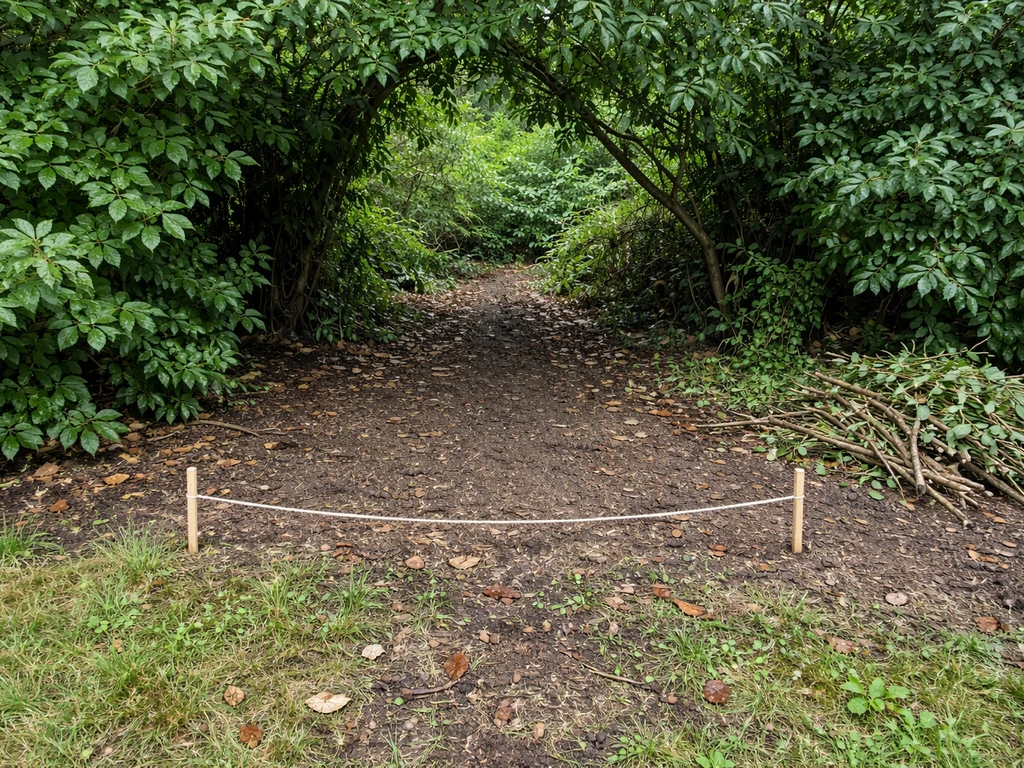
If the bird looks otherwise healthy but just seems to have trouble in your specific spot, the fix is usually environmental. Clear the launch zone: trim back branches within 2 meters of a regular perch, make sure feeders are positioned so birds have a clear flight path out, and if you have a water feature, ensure the surrounding area has open horizontal space for waterfowl. These are low-effort changes that make a real difference, especially for heavier species.
If you suspect the bird is genuinely compromised, the guidance from multiple wildlife rehabilitation organizations is consistent: give the bird one to two hours in a quiet, undisturbed area before intervening. Many birds that appear grounded after a window strike or a near-miss with a predator are stunned rather than seriously injured, and they'll recover and fly off on their own within that window. Do not offer food or water during this time, and do not handle the bird unless it's in immediate danger from a predator or traffic.
If the bird still can't fly after two hours, or if it's showing any of the red flags listed above, contact a licensed wildlife rehabilitator or avian vet. In the US, you can find local rehabilitators through the National Wildlife Rehabilitators Association or your state's fish and wildlife agency. If you need to contain the bird for transport: place it gently in a cardboard box with ventilation holes, line the bottom with a cloth or paper towel, and keep it in a warm, dark, quiet location. Do not put it in a cage with perches if it has a wing or leg injury. Then get it to a professional as quickly as you can.
Slow-motion bird takeoff footage is one of the most revealing windows into avian biomechanics available to anyone with a modern phone. Slow-motion bird takeoff footage is one of the most revealing windows into avian biomechanics available to anyone with a modern phone bird flying in slow motion. Most of the time, what you're seeing is a perfectly healthy bird executing one of biology's most energy-intensive maneuvers in exquisite detail.
If you want to go deeper on related mechanics, the same slow-motion approach reveals just as much about wing kinematics during level flight and the precise choreography of landing, which is arguably even more complex than takeoff. But when the footage shows something off: asymmetry, a bird that won't clear the ground, or one that sits there letting you walk up to it, you now have a clear framework for figuring out why and what to do about it.
FAQ
How can I tell if my slow-motion footage is lying to me because of camera settings?
Check whether the wingbeats and body rise look consistent from frame to frame. If the “hesitation” repeats on every takeoff attempt with the same wing geometry and timing, it is more likely real. If the bird’s motion looks smooth but the takeoff appears stretched only because the playback seems very slow, try a less aggressive slow-down or a different device to confirm the perceived delay. Also note that a rolling shutter can slightly skew fast wing motion, so if the wings look “warped” or curved in frames, treat that as a recording artifact.
Does a fast shutter speed mean I can trust what I see in slow motion?
Not automatically. Shutter speed controls motion blur within each captured frame, but it does not change the actual action timing. A crisp-looking wing path can still hide a subtle problem, like a leg that is pushing unevenly or a wing that does not complete the same arc on both sides. The most reliable checks are symmetry across wings and whether the bird clears the ground and climbs within a few wingbeats.
What if the bird takes off slowly but still reaches normal height quickly?
That pattern usually suggests normal biomechanics rather than injury. A brief gap between the leg push and the first strong downstroke can look like delay, especially in small birds and species where wings engage after initial forward motion. If the bird’s wings remain mirror-like, it clears the ground cleanly, and it stabilizes into typical flight within a few wingbeats, you can generally watch from a distance rather than treat it as urgent.
If only one wing looks different in the video, does that always mean injury?
Not always, but it is a red flag worth investigating. Perspective can make one wing appear less extended if the camera angle hides the far wing, or if the bird rotates during the jump. To confirm, look for consistent asymmetry across multiple attempts and check whether the body tilt and leg push also look uneven. If asymmetry persists even when the bird reorients, that is more consistent with a wing or pain issue.
How many takeoff attempts should I give before assuming something is wrong?
Avoid repeated attempts that may increase stress. In observation terms, one or two attempts with the same problem pattern is enough to flag a concern, especially if the bird fails to clear the ground or repeatedly drops back down. If the bird is otherwise alert and lifts after a short delay, use the “quiet rest” approach before any intervention rather than forcing more movement.
Could the environment alone make takeoffs look bad even if the bird is healthy?
Yes. Uneven ground, wet or icy surfaces, long grass right at the launch point, and branches that funnel airflow can all slow takeoff without injury. If the bird struggles in one spot but succeeds when it launches from a nearby, open surface, adjust the area by clearing the immediate takeoff zone and ensuring a clear flight path out.
What signs suggest pain in legs or feet rather than a wing problem?
Look for a bird that starts upright or rocks backward instead of leaning forward and compressing its legs. In slow motion, pain-related issues often show as a weaker or delayed foot push, poor weight transfer, or difficulty clearing the ground on the first attempt. If one leg consistently seems to contribute less during the jump, treat it as possible leg or foot injury and avoid approaching closely.
Is it safe to move closer to “get a better video angle” if the bird seems to be struggling?
No, do not close the distance for filming. Moving toward a compromised bird increases fear and can cause additional injuries or repeated failed takeoffs. Use optics (zoom) and set up from cover if possible. Aim to capture wings plus the leg push in one stable position rather than repositioning while it is attempting to fly.
Should I offer food or water if the bird appears unable to fly?
Usually no. During a recovery window, do not offer food or water because it can increase handling risk, change behavior, and delay appropriate care if injury exists. Instead, give the bird one to two hours in a quiet, undisturbed area and only intervene if it is in immediate danger from predators or traffic.
What if the bird flew after a short rest but seems “off” afterward?
Even if it eventually takes off, persistent abnormal behavior matters. If it lands repeatedly, cannot maintain normal altitude, shows ongoing asymmetry, or appears lethargic, contact a licensed wildlife rehabilitator or avian vet. Quick improvement can still happen with concussion or shock, but “not back to normal” is a reason to get professional guidance.
How should I contain the bird for transport if I must do it urgently?
Use a gently ventilated cardboard box lined with cloth or paper towel, keep it warm and dark, and minimize movement. Avoid cages with perches if there is any sign of wing or leg injury, perches can worsen damage. Handle only as much as necessary to prevent immediate harm, then get it to a licensed rehabilitator or avian vet as quickly as possible.